Best Time to Visit Vietnam: A Month-by-Month, Region-by-Region Guide
Last updated: July 4, 2026
Working out the best time to visit Vietnam is trickier than most countries, because the land stretches more than 1,600 km and its north, centre and south each run on a different weather clock. Time it well and you travel in dry, comfortable conditions; time it badly and you can meet floods on the central coast or a grey, drizzly Hanoi. Here is exactly when to go, region by region and month by month.
Quick answer: The best time to visit Vietnam overall is February to April, when most of the country is dry and warm. The north (Hanoi, Sapa, Ha Long) is best October–April; central Vietnam (Hoi An, Da Nang, Hue) February–May; and the south (Ho Chi Minh City, Mekong, Phu Quoc) December–April. Because the three regions never share the exact same season, the ideal months depend on where you are going — so plan around your route, not a single “best” month.
- Best overall: February–April (dry, warm almost nationwide)
- North best: October–April
- Central best: February–May
- South best: December–April
- Take care: central-coast floods Sep–Nov; Tet week (17 Feb 2026) for closures & crowds
- Good for: first-timers, beaches, trekking, food, families
In this guide: Best time overall · By region · Month by month · Beaches & trekking · When to take care · FAQs
When is the best time to visit Vietnam?
If you want one window that works almost everywhere, choose February to April. Spring brings warm, largely dry days to the north, the central coast and the south at the same time — a rare alignment in a country this long. The other strong window is September to November, when the north cools, skies clear and the highland rice terraces turn gold; just note the central coast (Hue, Hoi An) sees its heaviest rain then. For Australian travellers, this means Vietnam is genuinely year-round: our winter (Jun–Aug) suits the central and northern beaches, while our summer holidays (Dec–Jan) land in the south’s sunny dry season.
| Season | Weather | Good for | Crowds |
|---|---|---|---|
| Spring (Feb–Apr) | Warm and mostly dry across all three regions | Everything — north, centre and south together | Higher, peaks around Tet |
| Summer (May–Aug) | Hot, humid; showers north & south, drier central coast | Central & northern beaches, better value | Lower (local peak Jul–Aug) |
| Autumn (Sep–Nov) | Clear, cooling north (rice harvest); heavy rain central coast Oct–Nov | Sapa & the north, shoulder prices | Moderate |
| Winter (Dec–Jan) | Cool, misty far north; warm, dry south | Southern Vietnam, Mekong, Phu Quoc | High over Christmas/New Year |
Vietnam’s three climates: north, central & south
Vietnam doesn’t have one weather season — it has three, and they rarely line up. Understanding this is the whole trick to timing your trip.
| Region | Best months | What to expect | Months to skip |
|---|---|---|---|
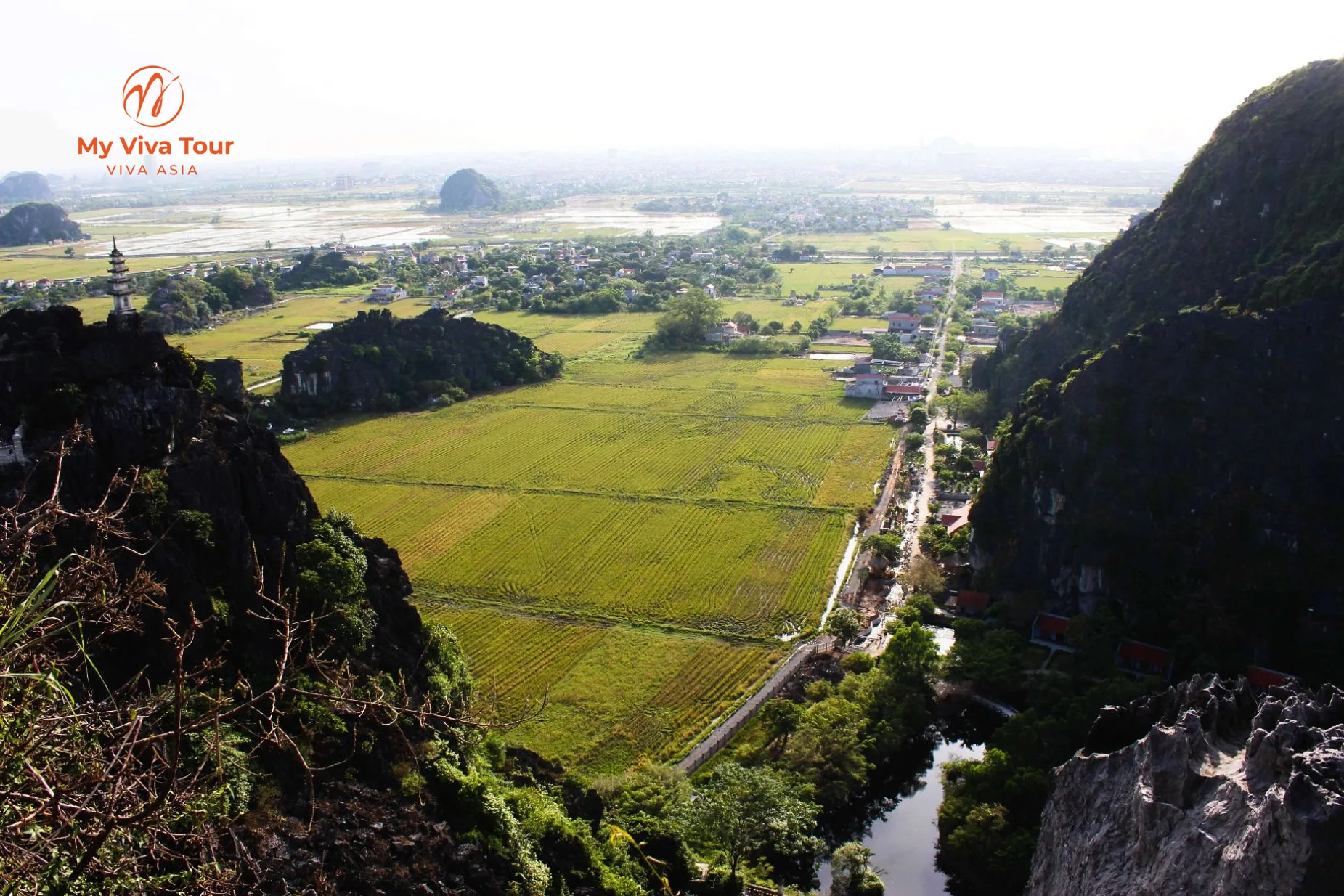
| North (Hanoi, Sapa, Ha Long, Ninh Binh) | Oct–Apr | Cool, dry, clear; genuinely cold and misty in Sapa Dec–Feb | Jun–Aug (hot, humid, heaviest rain) |
| Central (Hue, Da Nang, Hoi An, Nha Trang) | Feb–May | Warm, dry, calm seas — prime beach months | Sep–Dec (typhoon rains; Hoi An & Hue can flood) |
| South (Ho Chi Minh City, Mekong, Phu Quoc) | Dec–Apr | Hot, dry, sunny; two clear seasons only | May–Nov wet season (short afternoon downpours) |
Because of this split you rarely get all three regions perfect at once, which is why February–April is the sweet spot: it is the one stretch when the whole country is dry and warm together. Travelling the length of Vietnam outside that window simply means accepting rain in one region — usually manageable if you sequence the trip well.
Month by month: a quick cheat-sheet
- Jan: South & central dry and warm; north cool, sometimes grey. Great south-focused month.
- Feb–Apr: The all-country sweet spot — dry, warm everywhere. Tet falls 17 Feb 2026.
- May: Last dry month for the central coast; south enters its wet season with light showers.
- Jun–Aug: Hot and humid north & south; central beaches (Da Nang, Nha Trang) at their best. Australian-winter value season.
- Sep: Northern rice harvest begins — golden terraces in Sapa & Mu Cang Chai; good shoulder prices.
- Oct–Nov: Lovely, clear north; heaviest rain and possible flooding on the central coast.
- Dec: Cool, crisp north; sunny, dry south — a strong month for southern beaches over the holidays.
Best time for beaches, trekking & festivals
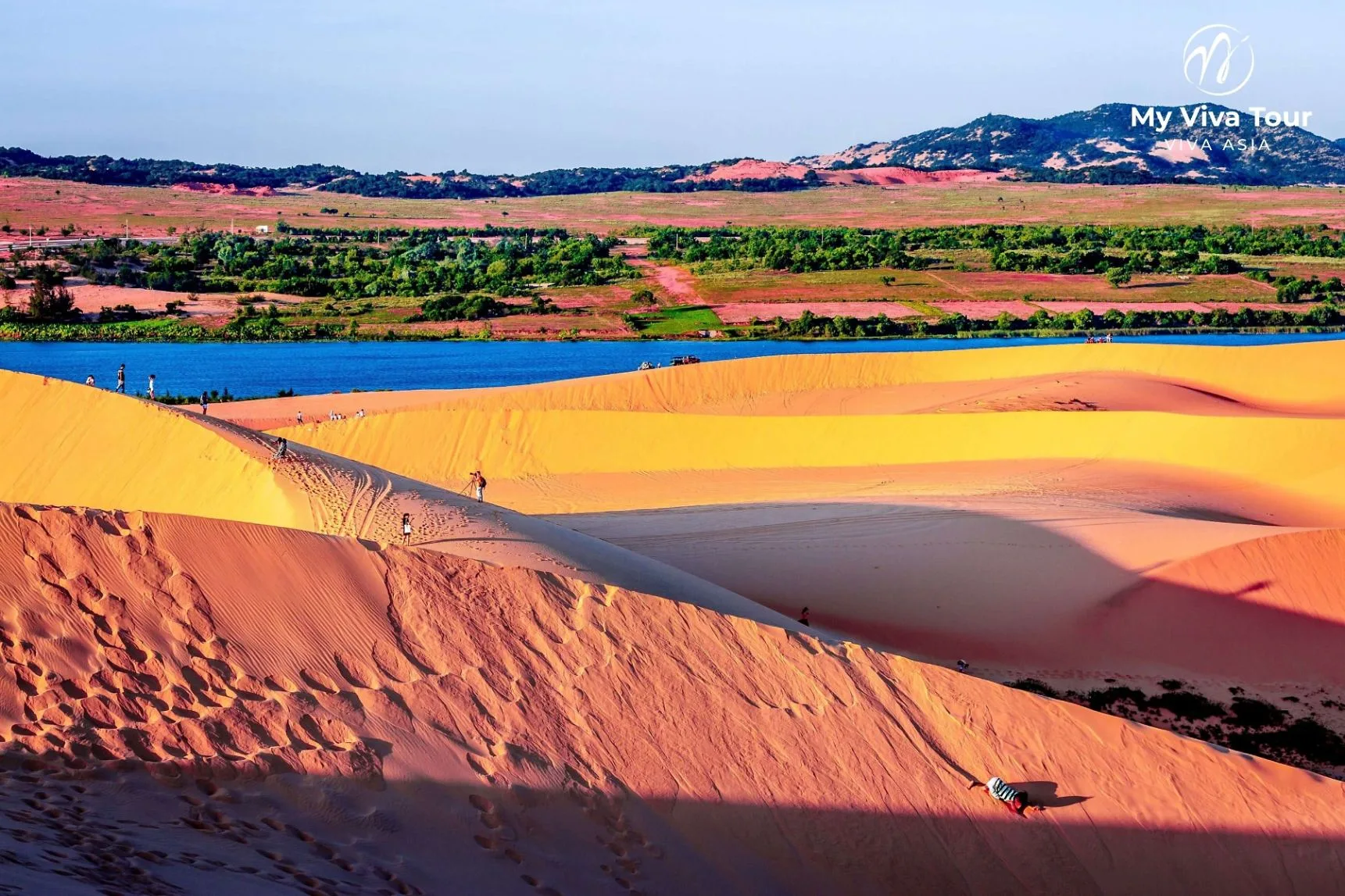
Beaches: the central coast (Da Nang, Nha Trang) shines February–August; Phu Quoc in the south is best November–April; the northern islands (Ha Long, Cat Ba) suit May–September. So there is always a good beach somewhere — you just follow the dry season around the coast.
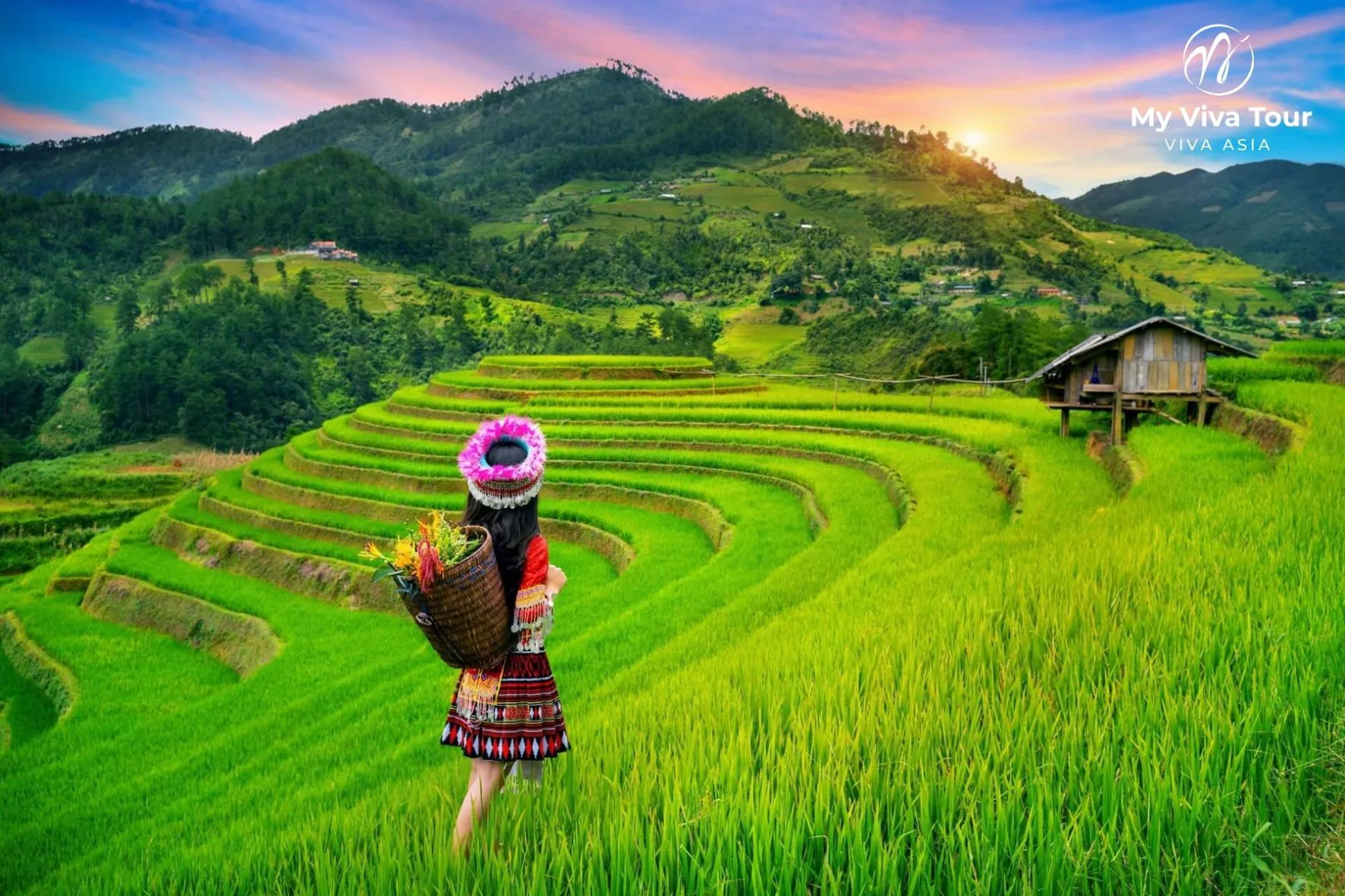
Trekking (Sapa, Ha Giang): aim for September–November for the rice harvest and clear mountain views, or March–May for green terraces and mild days. Avoid the wet summer (slippery trails) and the coldest weeks of Dec–Jan up high.
Festivals: Tet (Lunar New Year, 17 Feb 2026) is the most atmospheric time to be here, though many businesses close for a few days. Hoi An’s monthly full-moon lantern nights and the Mid-Autumn Festival (September) are easier add-ons that don’t disrupt your plans.
Hera’s detail check — what to pack by season: Spring (Feb–Apr): light layers plus one warm top for cool northern mornings. Summer (May–Aug): breathable clothes, strong sunscreen and a compact rain shell for afternoon showers. Autumn (Sep–Nov): a proper waterproof if you’re on the central coast; sturdy shoes for the terraces up north. Winter (Dec–Jan): a warm jacket and closed shoes for Sapa — it drops near freezing — but swimwear for the sunny south.
When to take care: rain, floods & Tet
Two timing traps are worth planning around. First, the central coast in October–November: this is Vietnam’s typhoon and flood window, and low-lying Hoi An and Hue can genuinely go under water for a day or two — keep those stops shorter, or shift them earlier in the trip. The southern wet season (May–Nov) sounds worse than it is: rain usually comes as a heavy hour in the afternoon, then clears, so the Mekong and Ho Chi Minh City stay very travellable.
Second, Tet (17 February 2026). It’s beautiful, but many restaurants and shops shut for three to four days, domestic flights and trains book out weeks ahead, and prices rise. The easy fix: travel in the week or two after Tet, when you still get spring weather without the closures and rush.
Best time to visit Vietnam FAQs
What is the best month to visit Vietnam?
March is the safest single choice: it is warm and dry in the north, centre and south at the same time. Any month from February to April gives you that nationwide sweet spot before the summer heat and rains arrive.
What is the cheapest time to visit Vietnam?
The low season runs roughly May to August, when international visitor numbers drop and hotels discount — though July–August is a local holiday peak. September is often the best value of all: shoulder prices with the northern rice harvest just starting.
When is the rainy season in Vietnam?
It differs by region. The south is wet May to November (brief afternoon showers), the central coast is wettest September to December with the heaviest rain and flood risk in October–November, and the north sees its rain mainly June to August.
Is Vietnam good to visit in the Australian winter (June–August)?
Yes. It is the best stretch for the central beaches (Da Nang, Nha Trang) and for lush green scenery in the north, and it is excellent value. Expect heat, humidity and some afternoon rain, and pack a light rain shell.
Should I avoid Tet (Vietnamese New Year)?
Not entirely — it is a wonderful time to see Vietnam celebrate — but many businesses close for three to four days and transport books out. If you’d rather avoid the disruption, travel in the week or two after Tet. In 2026, Tet falls on 17 February.
Why I plan every Vietnam trip around the season
After years of arranging trips for travellers, the first thing I check — before flights, before hotels — is the calendar. I’ve had a couple arrive in Hoi An in mid-November to find the old town ankle-deep in floodwater, and I’ve watched another group catch the northern rice terraces at their golden peak in early October. The difference wasn’t luck; it was timing. Getting the season right is what turns a good trip into an easy one, and it’s why I’d always rather shift a stop by a week than send someone into the wrong month.
Have you been to Vietnam at a particular time of year — the dry-season beaches, the misty far north in winter, or somewhere caught in the rain? I’d love to hear when you went and how it felt. Share your experience in the comments below — it genuinely helps other travellers time their own trip. Thank you!
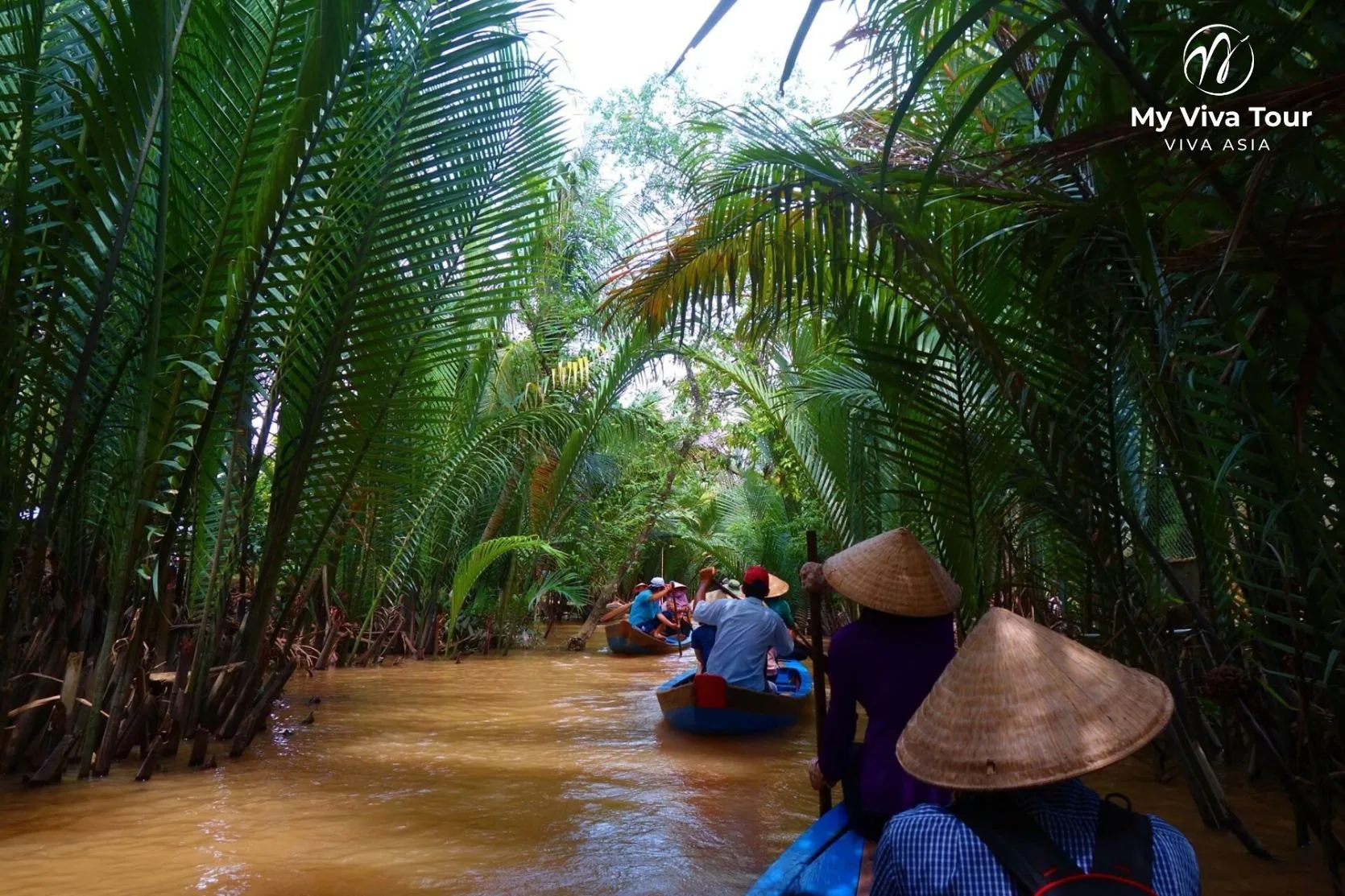
Plan your Vietnam trip around the right season
The good news: because every region has its own dry season, there is a great time to visit Vietnam in almost every month — the art is sequencing your route so you follow the sunshine. If you’re still shaping the trip, our 7, 10 and 14-day Vietnam itineraries show how to string the regions together, and our guide to private, tailor-made Vietnam tours explains how we build a trip around your dates. For the mountains and rice terraces in harvest season, see our Best of Northern Vietnam tour; for southern dry-season sun, the Phu Quoc island escape; or combine both on our 10-day Vietnam journey.
Tell us when you can travel and we’ll time your route to the seasons — dry days where it matters, harvest gold or beach weather where you want it. Talk to My Viva Tour and we’ll tailor the timing to you.
Travel notes fact-checked: July 2026. Lunar dates and visa rules can change — confirm current details when you book.