Pakse Travel Guide: Wat Phou, Bolaven Plateau & the 4000 Islands
Last updated: July 1, 2026

This Pakse travel guide is for anyone heading into the deep south of Laos, where the Mekong widens, the coffee grows on a cool green plateau and a thousand-year-old Khmer temple watches over the river. Pakse itself is a low-key riverside town, but it’s the gateway to some of the most rewarding corners of Laos. Give it three or four days and it rewards you back.
Quick answer: Pakse is the gateway to southern Laos, best for travellers who want the UNESCO-listed Wat Phou temple, the coffee-and-waterfall country of the Bolaven Plateau, and the sleepy Mekong islands of Si Phan Don (4000 Islands). The best time to visit Pakse is the cool, dry season from November to February. Most travellers allow three to four days to reach all three highlights at an easy pace.
- Country: Laos (Champasak Province, far south)
- Best time: November–February — cool and dry, easiest for sightseeing
- Known for: Wat Phou, the Bolaven Plateau, Lao coffee, Si Phan Don (4000 Islands), the Mekong
- Good for: temples and history, slow river days, coffee lovers, road-trippers
In this guide: Things to do · History · Best time · Culture · Food · Know before you go · FAQs
What are the best things to do in Pakse?
Pakse works as a comfortable base, and almost everything worth seeing sits within a half-day’s drive. There are three big draws, and they’re all different in character.
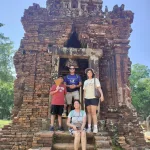
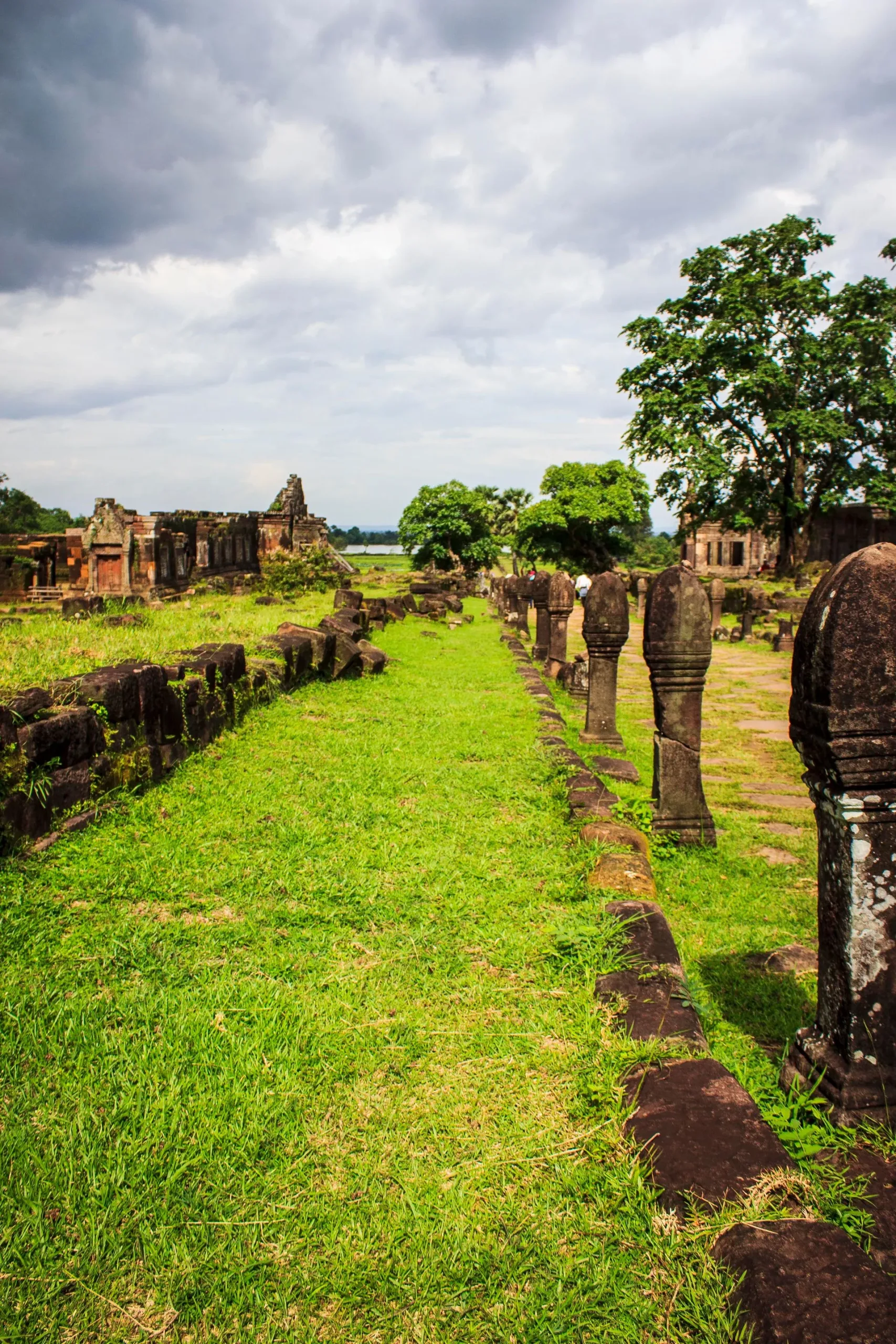
First, Wat Phou (also spelled Vat Phou), about 45 kilometres south of town — roughly an hour by road. This ruined Khmer Hindu temple climbs a hillside toward a sacred spring, with carved sandstone galleries, weathered towers and a long pillar-lined causeway. It was built to honour Shiva, it is older than Angkor Wat, and UNESCO added it to the World Heritage list in 2001.
Second, the Bolaven Plateau. Climb east of Pakse and the air cools noticeably — the plateau sits between roughly 1,000 and 1,350 metres above sea level. This is Laos’s coffee country; most of the nation’s coffee grows up here, both Robusta and Arabica, a legacy of French planting. Between the farms are the waterfalls: Tad Fane is the showstopper, a pair of streams dropping around 120 metres into a forested gorge about an hour from town, while gentler Tad Lo is a cluster of cascades beside a village.
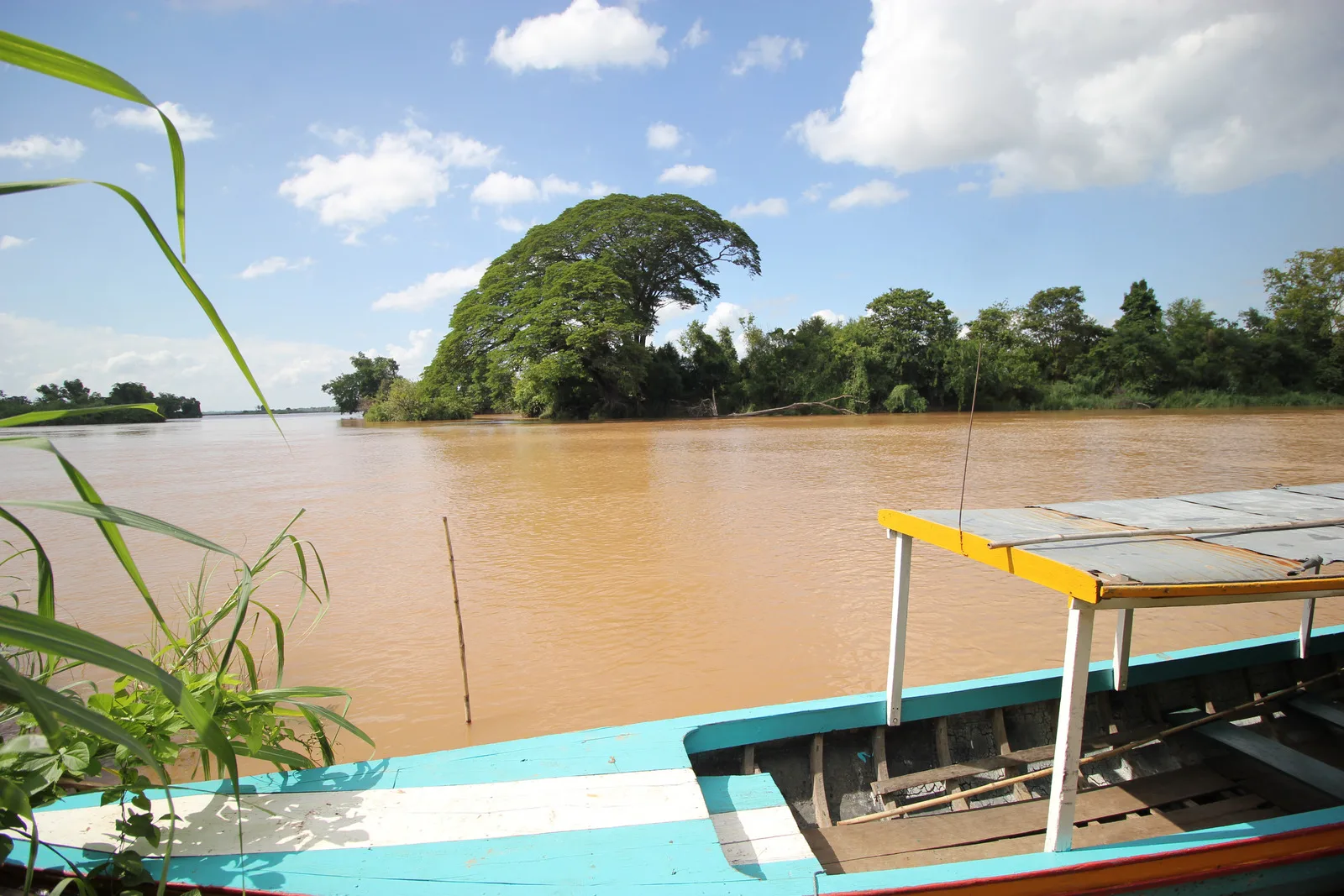
Third, and furthest, Si Phan Don — the 4000 Islands. Some 130 kilometres south of Pakse (allow two-and-a-half to four hours), near the Cambodian border, the Mekong scatters into countless islets. Don Det and Don Khon are the islands most travellers stay on, linked by an old French railway bridge. Nearby, Khone Phapheng Falls thunders across the whole river — the widest waterfall in the world and the largest in Southeast Asia by water volume, though not a tall one at around 21 metres. It’s also the reason the Mekong was never fully navigable through to China.
A little history: kings, Khmers and coffee
Long before there was a town called Pakse, this stretch of the Mekong was sacred ground. The hill behind Wat Phou was revered as a natural linga — a symbol of Shiva — and a temple stood on the site as far back as the 5th century, with the surviving stonework raised between the 11th and 13th centuries under the Khmer. Champasak, just downriver, later became the seat of its own kingdom.
Pakse itself is much younger, laid out by the French in the early 20th century where the Mekong meets the Xe Don river. You still feel that layered past: colonial-era shopfronts, and the grand Champasak Palace, built in 1969 as a residence for Prince Boun Oum and now run as a hotel.
When is the best time to visit Pakse?
Southern Laos has three broad seasons. The sweet spot is the cool, dry stretch from November to February, when days are warm and clear and the roads up to the Bolaven Plateau are easy going. If you’re chasing the waterfalls at full roar, they’re fullest in and just after the wet season — the flow builds through mid-year, with the best viewing from around September into December.
| Season | Weather | Good for | Crowds |
|---|---|---|---|
| Cool, dry (Nov–Feb) | Warm days, cooler and pleasant on the plateau | Wat Phou, road trips, all-round sightseeing | Peak — busiest but still relaxed |
| Hot (Mar–May) | Hot and hazy in the lowlands | Escaping the heat up on the Bolaven Plateau | Quieter |
| Wet (Jun–Oct) | Green and lush, afternoon downpours | Waterfalls at their most powerful | Fewest visitors |
Coming from Australia, factor in the flights: there’s no direct hop, so most travellers route through Bangkok and on to Pakse’s own airport, which handles domestic flights plus some regional connections.
People, culture and etiquette in Pakse
Life in the south runs at the pace of the river. Most Lao people here are Theravada Buddhists, and you’ll see monks collecting alms at dawn and offerings left at temple gates. The plateau is also home to several ethnic minority communities with their own traditions.
A few courtesies go a long way. Dress modestly at temples like Wat Phou — cover shoulders and knees — and remove your shoes and hat where signs ask. A gentle nop (a slight bow with your palms together) is a warm way to return a greeting, and there’s no need to rush anyone; the unhurried southern rhythm is part of the charm.
What food should you try in Pakse?
Southern Lao cooking is fresh, herby and unfussy. Look for sticky rice in its little bamboo basket, laap (a zingy minced-meat salad), tam mak hoong (green papaya salad) and grilled river fish straight off the Mekong. And of course the coffee — a cup of Bolaven Arabica, black or over sweetened condensed milk, is practically compulsory. For the best local spots and the freshest catch, ask your My Viva Tour guide; they’ll steer you to the places locals actually eat.
Ready to build the deep south into a bigger Laos trip? Our 6-day Glance of Laos tour is an easy way to string the highlights together with a guide who knows the roads.
Pakse travel guide: know before you go
- Best time: November to February for cool, dry days; the waterfalls are fullest around September to December.
- What to wear: light clothes for the lowlands, a warmer layer for the Bolaven Plateau, and modest cover for temples.
- Getting around: Pakse is the base — most people hire a car and driver or join a tour for Wat Phou, the plateau loop and the run south to the 4000 Islands. Boats link the Mekong islands.
- Etiquette: remove shoes where asked, dress respectfully at temples, and don’t touch monks or their robes.
Hera’s detail check: pack a light rain shell and proper walking shoes even in the dry months — Wat Phou’s stone terraces are uneven, and the plateau can turn misty fast. Carry some Lao kip in small notes for village stalls and boat fares, bring sunscreen and a refillable water bottle, and download an offline map before you leave town — mobile signal thins out on the road south. If you want to see Khone Phapheng at full power, plan the 4000 Islands leg for the back end of the wet season.
Pakse travel guide FAQs
Is Pakse worth visiting?
Yes — Pakse is the gateway to three of southern Laos’s best experiences: the UNESCO-listed Wat Phou temple, the coffee and waterfalls of the Bolaven Plateau, and the Mekong islands of Si Phan Don. The town is quiet, but it puts all of them within a half-day’s reach.
How many days do you need in Pakse?
Three to four days is a comfortable stay: one for Wat Phou and Champasak, one for the Bolaven Plateau loop, and one or two for the run south to the 4000 Islands. You can do a whistle-stop version in two days, but the south rewards a slower pace.
When is the best time to visit Pakse?
November to February — the cool, dry season — is the most comfortable for sightseeing and road trips. If waterfalls are your priority, aim for the end of the wet season through December, when the flow is at its strongest.
How do you get from Pakse to the 4000 Islands?
It’s roughly 130 kilometres south — around two-and-a-half to four hours by road to the river piers, then a short boat across to Don Det or Don Khon. Most travellers go by car and driver or on a guided day trip that also takes in Khone Phapheng Falls.
What is Pakse known for?
Pakse is best known as the base for Wat Phou, the Bolaven Plateau’s coffee farms and waterfalls, and the Si Phan Don river islands. It sits at the confluence of the Mekong and Xe Don rivers and is the largest town in southern Laos.
Why Pakse stays with me
What I remember most about Pakse isn’t a single sight — it’s the quiet. Standing on the Wat Phou terraces with the river shining far below, I had that rare feeling of being somewhere old and unhurried. Add a strong Bolaven coffee at a roadside stall and a slow boat afternoon in the 4000 Islands, and the south had me completely. I always tell travellers to give it an extra day. If you’ve been to Pakse, I’d love to hear which corner stayed with you — drop it in the comments below.
See Pakse with My Viva Tour
Pakse pairs beautifully with the rest of the country. If you’re planning a fuller loop, read our guides to Luang Prabang, the capital Vientiane, riverside Vang Vieng and the Plain of Jars at Phonsavan. You can also browse everything in our Pakse destination hub.
When you’re ready to travel, our 8-day Beauty of Laos tour and longer 9-day Exploring Laos itinerary take the guesswork out of the roads and boats. Tell us what you’d love to see and My Viva Tour will shape the trip around you.
Travel notes fact-checked: July 2026.