Explore Vietnam’s Mekong Delta: Life on the Water
Last updated: July 13, 2026
Quick answer: The Mekong Delta is the lush, river-laced region of southern Vietnam known as the country’s “rice bowl”. Travellers come for its floating markets, such as Cai Rang near Can Tho, plus canal boat rides through coconut groves, stilt-house villages, family workshops making coconut candy and rice paper, and fresh local dishes like banh xeo and hu tieu. Its culture blends Vietnamese, Khmer and Chinese communities. Most visitors spend one to two days here, often as a trip from Ho Chi Minh City.
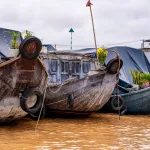
The Mekong Delta is one of the country’s most fertile and productive regions, earning its title as the “rice bowl of Vietnam.” But beyond the fields of green rice paddies and fruit-laden orchards lies a culture as rich and flowing as the river itself. One of the most iconic experiences for travellers is visiting the floating markets, such as the famous Cai Rang market near Can Tho. In the early morning light, wooden boats gather, packed with colorful produce — pineapples, watermelons, papayas — and local vendors selling coffee, hot noodle soup, or even household items. There are no signs or shelves; instead, sellers hoist samples of their goods on tall bamboo poles so customers can see what’s on offer from a distance.
The Mekong Delta is one of the country’s most fertile and productive regions, earning its title as the “rice bowl of Vietnam.” But beyond the fields of green rice paddies and fruit-laden orchards lies a culture as rich and flowing as the river itself. One of the most iconic experiences for travellers is visiting the floating markets, such as the famous Cai Rang market near Can Tho. In the early morning light, wooden boats gather, packed with colorful produce — pineapples, watermelons, papayas — and local vendors selling coffee, hot noodle soup, or even household items. There are no signs or shelves; instead, sellers hoist samples of their goods on tall bamboo poles so customers can see what’s on offer from a distance.
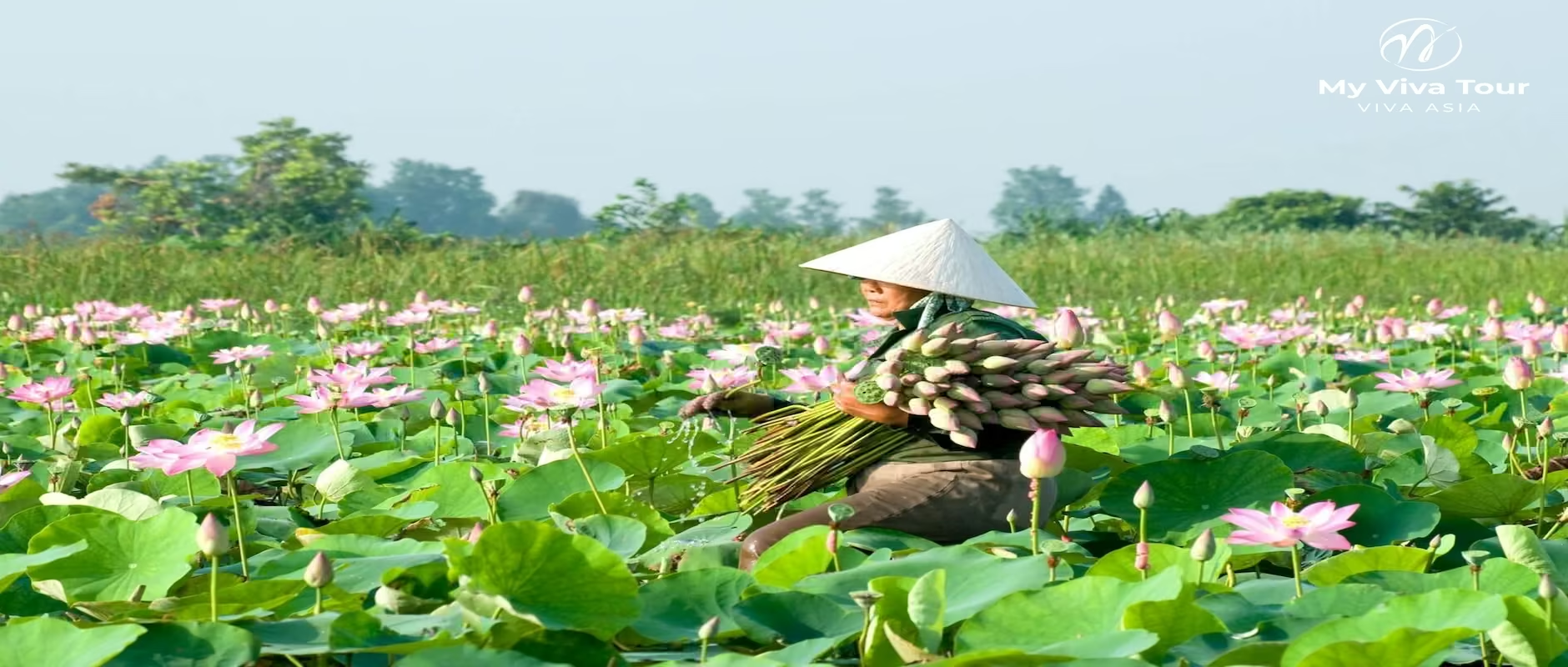
Outside the markets, life in the Delta moves slowly, gracefully. Narrow canals wind through coconut groves and peaceful villages, where traditional wooden houses sit on stilts above the water. Taking a boat ride or cycling along dirt paths reveals scenes of everyday life: children paddling home from school, fishermen casting their nets, elders chatting under the shade of trees. It’s in these quiet moments that the true charm of the Delta reveals itself — not in grand sights, but in small, sincere connections with people and place.
Outside the markets, life in the Delta moves slowly, gracefully. Narrow canals wind through coconut groves and peaceful villages, where traditional wooden houses sit on stilts above the water. Taking a boat ride or cycling along dirt paths reveals scenes of everyday life: children paddling home from school, fishermen casting their nets, elders chatting under the shade of trees. It’s in these quiet moments that the true charm of the Delta reveals itself — not in grand sights, but in small, sincere connections with people and place.
The food here, like the lifestyle, is humble but unforgettable. Dishes such as bánh xèo, a crispy rice pancake filled with shrimp and bean sprouts, or hủ tiếu, a fragrant noodle soup, reflect the flavours of the region — fresh, light, and made with care. Many tours include visits to family-run workshops making coconut candy or rice paper, offering travellers the chance to learn local crafts and taste warm hospitality firsthand.
The food here, like the lifestyle, is humble but unforgettable. Dishes such as bánh xèo, a crispy rice pancake filled with shrimp and bean sprouts, or hủ tiếu, a fragrant noodle soup, reflect the flavours of the region — fresh, light, and made with care. Many tours include visits to family-run workshops making coconut candy or rice paper, offering travellers the chance to learn local crafts and taste warm hospitality firsthand.
Culturally, the Mekong Delta is a mosaic. Vietnamese, Khmer, and Chinese communities have lived side by side for generations, shaping the region’s customs, architecture, and festivals. From serene Khmer pagodas to bustling village temples, the blend of influences is part of what makes the Delta so special.
Culturally, the Mekong Delta is a mosaic. Vietnamese, Khmer, and Chinese communities have lived side by side for generations, shaping the region’s customs, architecture, and festivals. From serene Khmer pagodas to bustling village temples, the blend of influences is part of what makes the Delta so special.
More than a destination, the Mekong Delta is a way of life. It offers not just sights to see, but a feeling to remember — the sound of oars on water, the sweetness of tropical fruit, the smile of a stranger. For those willing to slow down and drift with the current, the Delta offers a rare kind of beauty: quiet, authentic, and deeply human.
More than a destination, the Mekong Delta is a way of life. It offers not just sights to see, but a feeling to remember — the sound of oars on water, the sweetness of tropical fruit, the smile of a stranger. For those willing to slow down and drift with the current, the Delta offers a rare kind of beauty: quiet, authentic, and deeply human.
Mekong Delta travel FAQs
What is the best time to visit the Mekong Delta?
The southern dry season, roughly December to April, brings the most reliable weather for boat trips and market visits. The May to October wet season is greener with short showers. Floating markets like Cai Rang are liveliest in the early morning.
How many days do you need in the Mekong Delta?
One to two days is enough to take in the floating markets, canal boat rides and village life. It can be done as a day trip or an overnight stay, often combined with a visit from Ho Chi Minh City.
Is the Mekong Delta worth visiting?
Yes. More than a sight to tick off, the Delta is a way of life, offering floating markets, slow canal journeys and sincere connections with local people. It rewards travellers who slow down and drift with the current.
What are the floating markets in the Mekong Delta?
The most famous is Cai Rang market near Can Tho. In the early morning, wooden boats gather laden with colourful produce, and sellers hoist samples of their goods on tall bamboo poles so customers can see what is on offer from a distance.
What food is the Mekong Delta known for?
Regional dishes are humble but memorable, such as banh xeo, a crispy rice pancake filled with shrimp and bean sprouts, and hu tieu, a fragrant noodle soup. Many tours also visit family workshops making coconut candy and rice paper.