Sapa Travel Guide: Best Time, Things to Do & Tips
Last updated: July 18, 2026
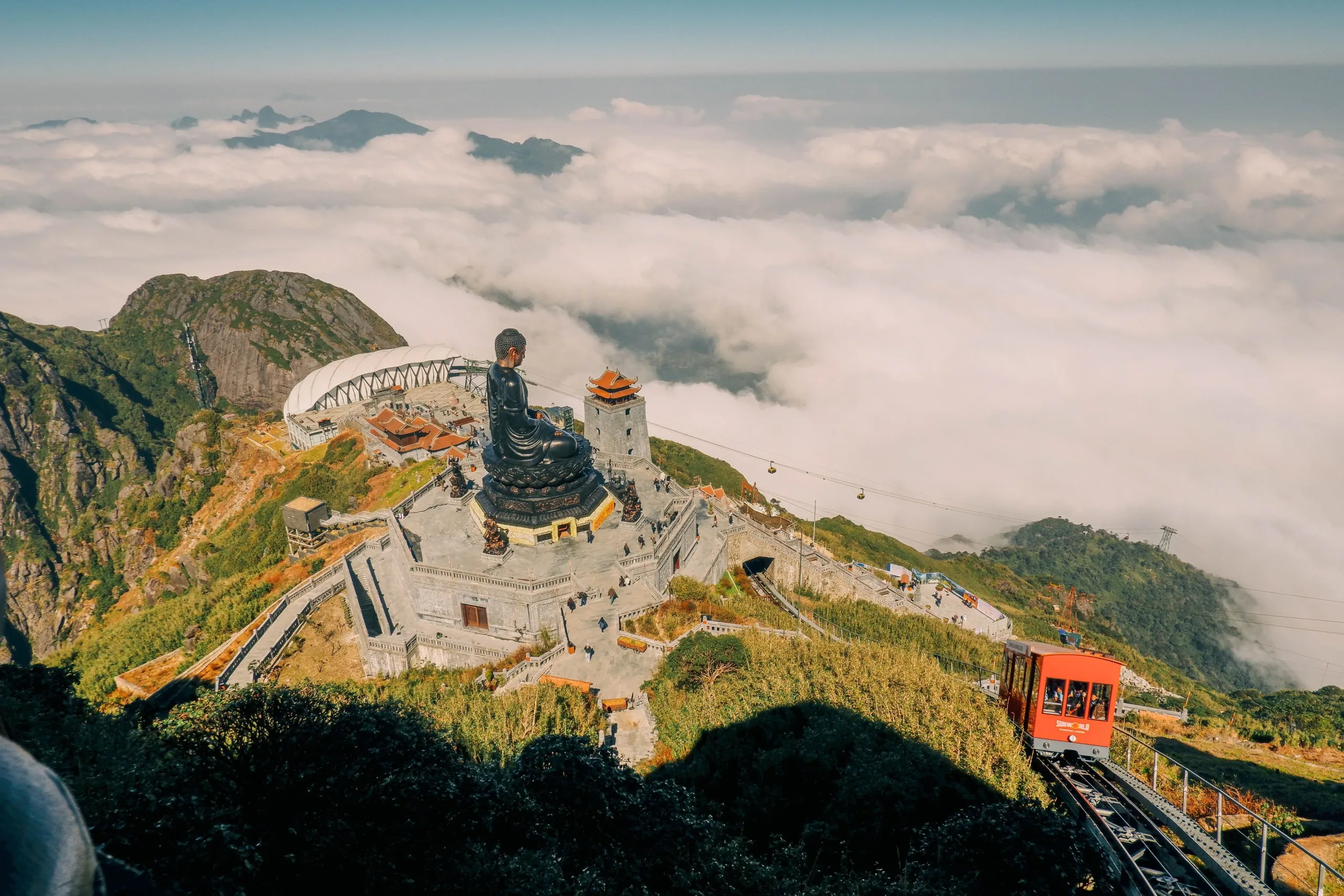
This Sapa travel guide covers the short version: it’s a misty hill town in Vietnam’s far north where rice terraces climb the hillsides in green (or gold) waves, a cable car lifts you above the clouds to the country’s highest peak, and the pace slows the moment the fog rolls in. I still remember stepping off the sleeper bus into that first cold, clean mountain air — it felt like a different country entirely.
Quick answer: Sapa is best for travellers who want mountain scenery, hill-tribe culture and gentle trekking without a long-haul flight to get there. It’s built around Fansipan (3,143m, Vietnam’s highest peak), the terraced Muong Hoa Valley, and villages like Cat Cat and Ta Van. The best time to visit is roughly September to November, when the rice terraces turn gold and the skies are clearest, though spring (March–May) is milder and quieter. First-time visitors should allow at least two full days — one for the Fansipan cable car, one for a village walk in the valley.
- Country: Vietnam
- Best time: September–November (golden rice, clear views); March–May (mild, quieter)
- Known for: Fansipan, terraced rice fields, Hmong and Dao hill-tribe villages
- Good for: first-time visitors, trekkers, anyone who wants a cooler change of pace from Vietnam’s coast and cities
In this guide: Things to do · A little history · Best time to visit · Culture · Food · Know before you go · FAQs
What are the best things to do in Sapa?
Most first visits centre on two things: the mountain, and the valley beneath it. The Fansipan cable car takes you up to Vietnam’s highest point in under half an hour, which sounds almost too easy for a peak that used to take a two-day hike to reach. On a clear morning you’ll get views over the Hoang Lien mountains that stretch further than feels real; on a cloudy one, you’ll simply be standing above the clouds instead, which has its own quiet appeal.
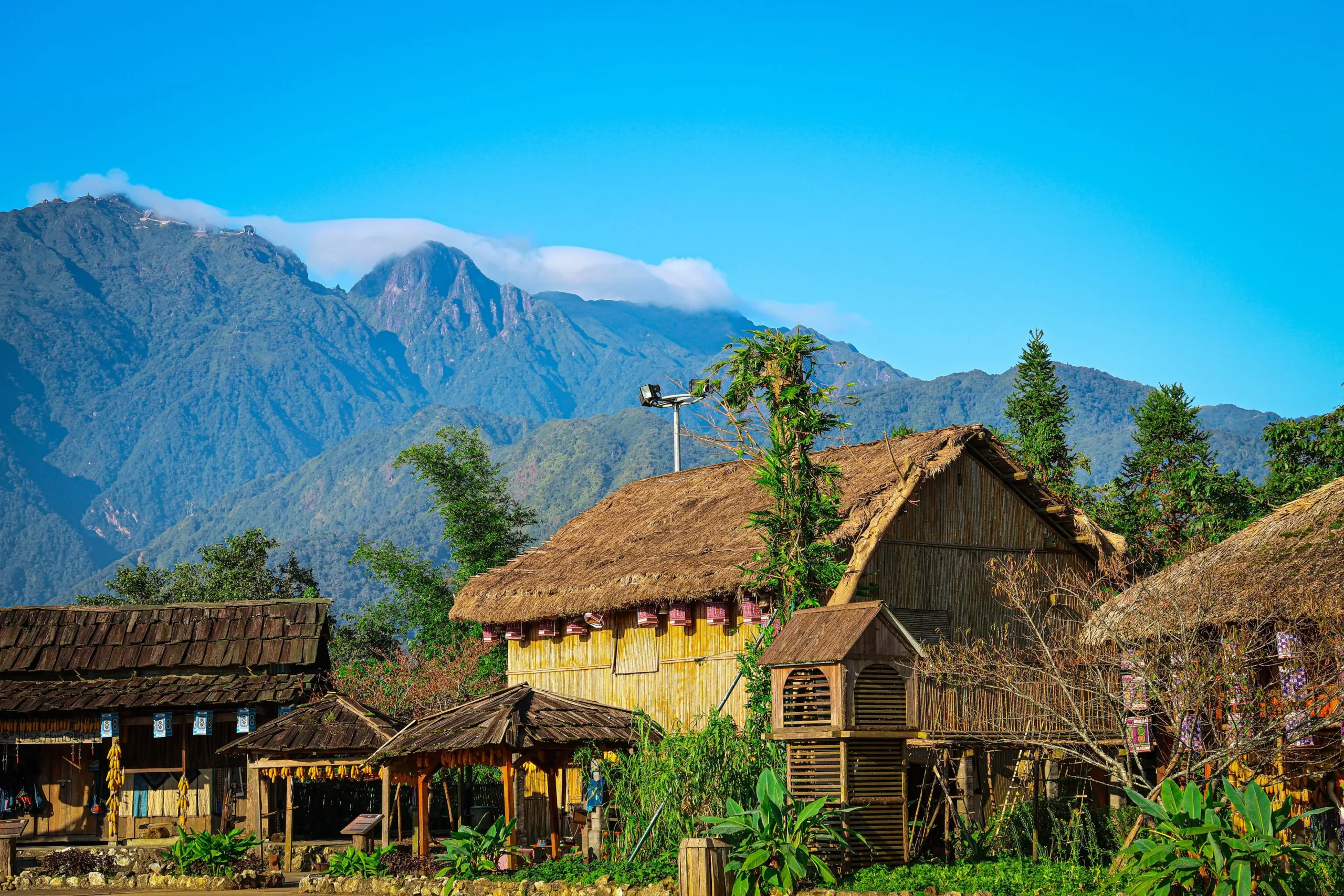
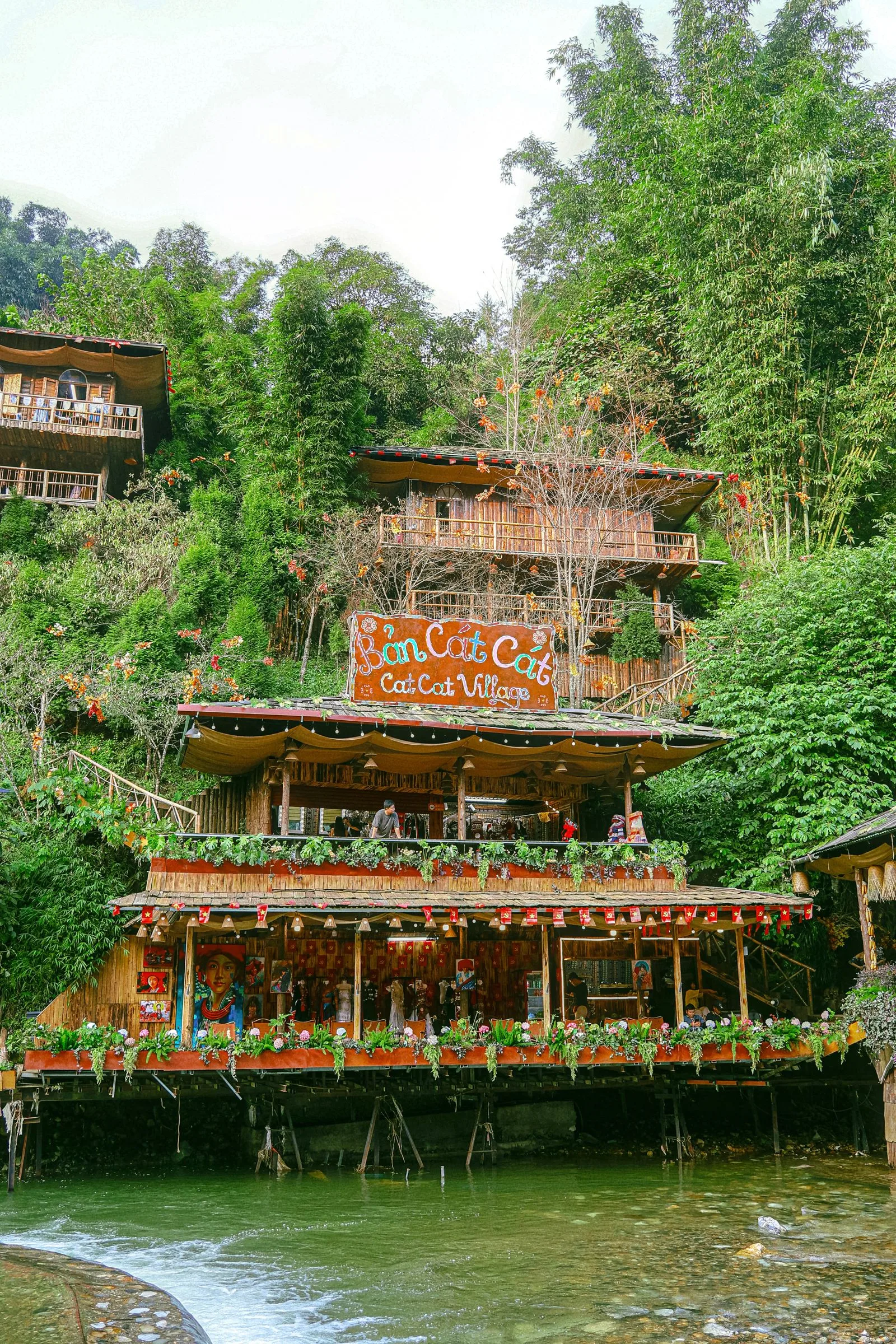
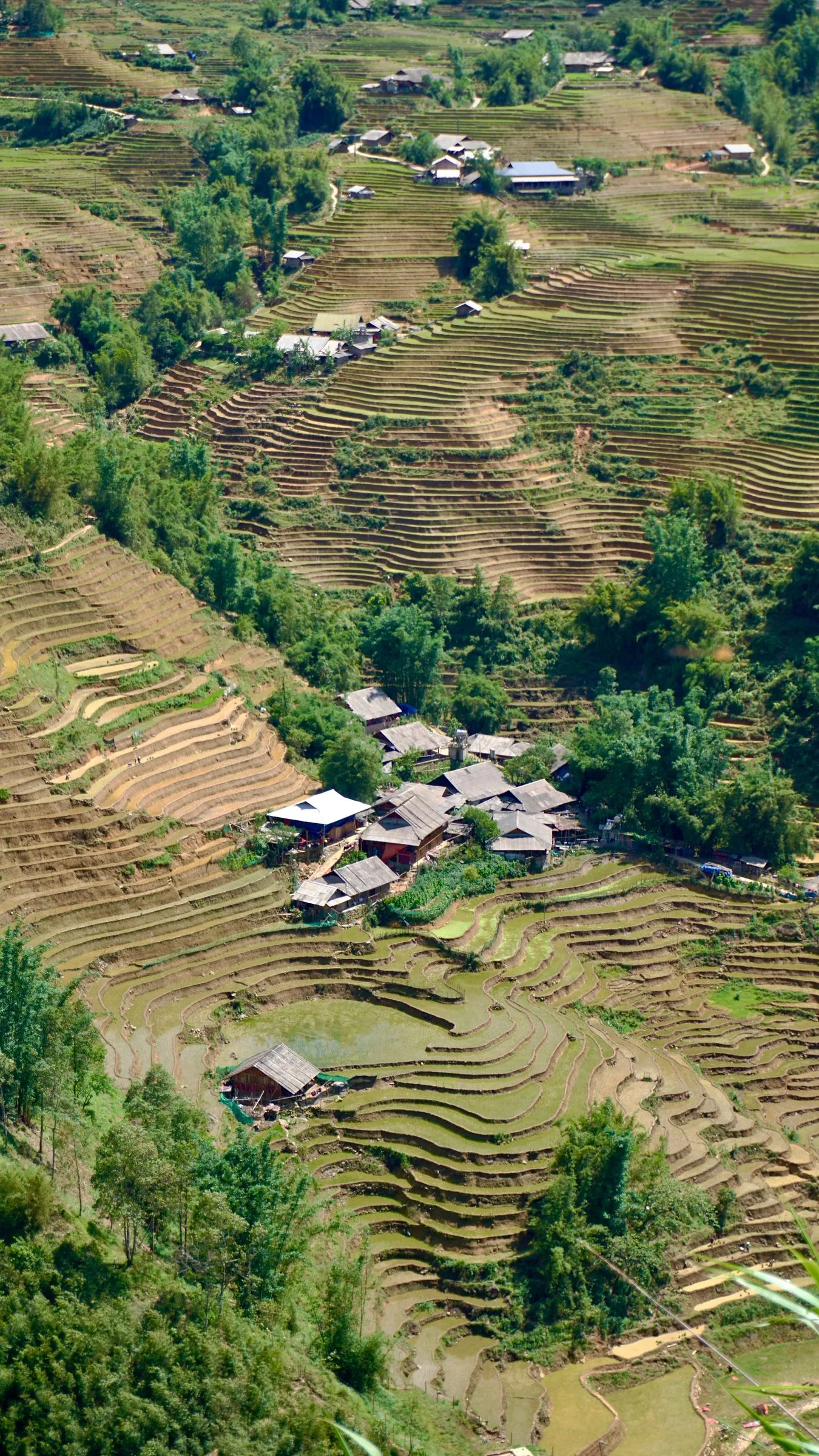
Down in the valley, Cat Cat is the easiest village to reach on foot from town — a Black Hmong hamlet with a stream running through it, small waterfalls, and stalls selling handwoven indigo textiles. It’s touristy, and it knows it, but the setting still earns the walk. For something quieter, Ta Van and the wider Muong Hoa Valley trails wind past working rice terraces and smaller hamlets where Giay and Dao families still farm the same slopes their families have for generations. A short trek here, with a local guide who can translate along the way, tends to be the part of the trip people remember most.
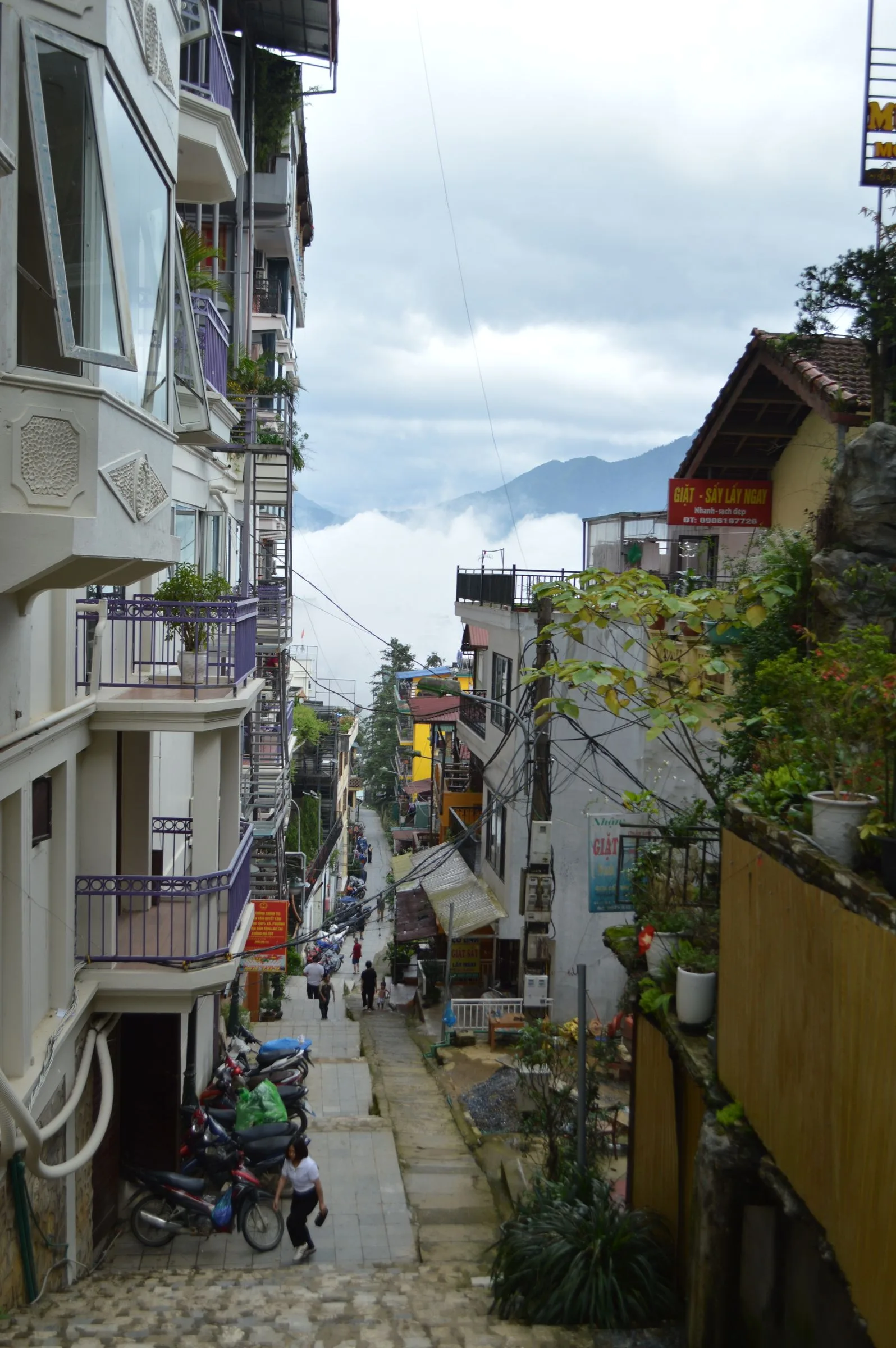
Back in town, Ham Rong Mountain has a garden and viewpoint reachable without a full day’s climb — a good half-day option if the weather turns. Sapa’s own town centre is worth a slow wander too: old French-era buildings, a small lake, and streets that fall away steeply into the mist.
A little history: from French hill station to trekking capital
Sapa’s modern story starts with the French, who identified it as a hill station around 1903 and built sanatoriums and villas through the 1920s and ’30s — a cool-climate escape, the same way Da Lat worked further south. Long before that, though, this was — and still is — home to Hmong, Dao and other highland communities who’d farmed these slopes for generations; their villages remain the heart of what makes a visit worthwhile. Our piece on Sapa as Vietnam’s mountain retreat goes deeper into that story.
When is the best time to visit Sapa?
Sapa sits around 1,500–1,600m up, so it runs noticeably cooler than the rest of Vietnam year-round — pack layers no matter when you go. September to November is the classic window: the rice terraces turn gold for harvest (usually peaking in late September into October), the air is clear, and photos genuinely look like the postcards. It’s also the busiest stretch, so book accommodation ahead. March to May is my quieter recommendation — milder, fresh green terraces instead of gold, and noticeably fewer other travellers on the trails.
| Season | Weather | Good for | Crowds |
|---|---|---|---|
| Spring (Mar–May) | Mild, freshening up, occasional light rain | Trekking, quieter villages | Low–moderate |
| Summer (Jun–Aug) | Warm days, regular rain showers, lush green terraces | Escaping lowland heat, green-season photos | Moderate |
| Autumn (Sep–Nov) | Clear, cool, golden rice harvest (peak late Sep–Oct) | Views, photography, first-timers | High |
| Winter (Dec–Feb) | Cold, often misty, occasional frost or rare snow | Cosy stays, moody scenery, fewer crowds | Low |
If you’re combining Sapa with the rest of the north, it pairs naturally with Hanoi and Ha Long Bay — our 4-day Golden Triangle itinerary covers exactly that route if you’re short on time.
Comfort tip: whatever season, the temperature swings a lot between day and night up here — a light jacket that packs down small is worth more than a heavy coat you’ll carry all day and not need until sunset.
People, culture & etiquette in Sapa
The Sapa area is home to several ethnic minority communities — mainly Hmong and Dao, with smaller Tay, Giay and Xa Pho populations — each with their own language, dress and customs, distinct from Vietnam’s Kinh majority. You’ll notice it in the clothing: Black Hmong in indigo-dyed cloth, Red Dao women in bright red headscarves. Many families still farm the terraces you’ll be photographing, so a little courtesy goes a long way — ask before a close-up portrait, and buy handicrafts directly from a village where you can, so the money goes straight to the maker.

What food should you try in Sapa?
The mountain air changes the menu — Sapa’s food leans heartier than the coastal dishes most visitors already know. Look out for “thắng cố”, a slow-cooked meat stew (order it where locals are eating, not just where it’s translated for tourists); charcoal-grilled skewers along the main street after dark; and salmon or trout from the region’s cold-water farms, a pleasant surprise this far inland. Sticky rice in bamboo and local corn wine round things out. Ask your My Viva Tour guide for the stalls locals actually eat at.
Sapa travel guide: know before you go
- Best time: September–November for gold terraces and clear views; March–May if you’d rather have quieter trails.
- What to wear: layers, closed shoes with grip for village trails (they get muddy after rain), and a light rain jacket outside the dry months.
- Getting around: Sapa town is walkable; village trails and the cable car station are a short transfer away.
- Etiquette: ask before photographing people, dress modestly at temples, and expect gentle, friendly bargaining in village markets.
Sapa travel guide FAQs
Is Sapa worth visiting?
Yes, especially if you want mountain scenery and hill-tribe culture without leaving Vietnam. Between the Fansipan cable car, the terraced valley walks and the cooler climate, it’s a genuinely different experience from the rest of a typical Vietnam itinerary.
How many days do you need in Sapa?
Two full days covers the essentials comfortably — one for Fansipan, one for a village trek in the Muong Hoa Valley. Three days gives you room to add Ham Rong or a longer, quieter trail without feeling rushed.
When is the best time to visit Sapa?
September to November, for golden rice terraces and the clearest mountain views. March to May is a milder, quieter alternative if you’d rather skip the busiest months.
How far is Sapa from Hanoi?
Around 300km, roughly a four-to-six hour drive via the Hanoi–Lao Cai Expressway, or an overnight sleeper train or bus if you’d rather travel while you sleep.
What should I pack for Sapa?
Layers are the key word — mornings and evenings are cool even in summer, and winter can dip near freezing. Closed, grippy shoes, a light rain jacket, and a warm layer for the cable car summit, colder again than the town below.
Why Sapa stays with me
What I keep coming back to about Sapa isn’t the summit — it’s how quickly the town goes quiet once you step off the main street. One minute you’re passing shopfronts, the next you’re on a dirt path between rice terraces with nothing but a rooster somewhere down the valley. That contrast, cold mountain air after Vietnam’s usual heat, is what makes it feel like such an easy, restorative stop on a longer trip.
What about you? If Sapa is already part of your travel story, or you’re still deciding whether to add it, tell me in the comments below — I’d love to hear what pulled you there.
See Sapa with My Viva Tour
Ready to put Sapa on your itinerary? Our Best of Northern Vietnam – 7 Days tour builds the Fansipan cable car and a Muong Hoa Valley trek into a wider northern loop, and the Luxury Northern Vietnam – 7 Days tour covers the same ground with a more comfortable pace and stays. Browse more of our Sapa coverage, or keep exploring the northern highlands with our guides to Ha Giang and Pu Luong. Get in touch and we’ll help you build a Sapa trip around the pace and season that suits you.
Travel notes fact-checked: July 2026.