Hue Travel Guide: The Imperial Citadel, Royal Tombs and Where to Eat
Last updated: August 7, 2026
If you have room for one slow stop in central Vietnam, this Hue travel guide is here to talk you into making it Hue. It is the old imperial capital, sitting on a bend of the Perfume River, and it moves at a gentler pace than Hanoi or Ho Chi Minh City. Give it two days. You get palaces, royal tombs, riverside temples and some of the best food in the country — and you are not fighting a crowd for any of it.
Quick answer: Hue is best for travellers who want history, temples and food at a relaxed pace. It was Vietnam’s imperial capital from 1802 to 1945, and its Complex of Hue Monuments became the country’s first UNESCO World Heritage Site in 1993. The best time to visit Hue is February to April, when days sit around 20–24°C and the rain eases off. Most first-timers allow one to two days for the Imperial Citadel, a boat ride to Thien Mu Pagoda and one or two royal tombs before carrying on to Da Nang or Hoi An.
- Country: Vietnam (central coast, on the Perfume River)
- Best time: February–April — mildest, driest stretch of the year
- Known for: the Imperial Citadel, Nguyen dynasty royal tombs, Thien Mu Pagoda, bun bo Hue
- Good for: history lovers, food travellers, slower-paced and first-time visitors
- Nearest airport: Phu Bai International Airport (HUI)
- Days needed: 1–2 for the highlights, 3 if you add the tombs and a DMZ day trip
In this guide: Things to do · History · Best time · Culture · Food · Tips · FAQs
What are the best things to do in Hue?
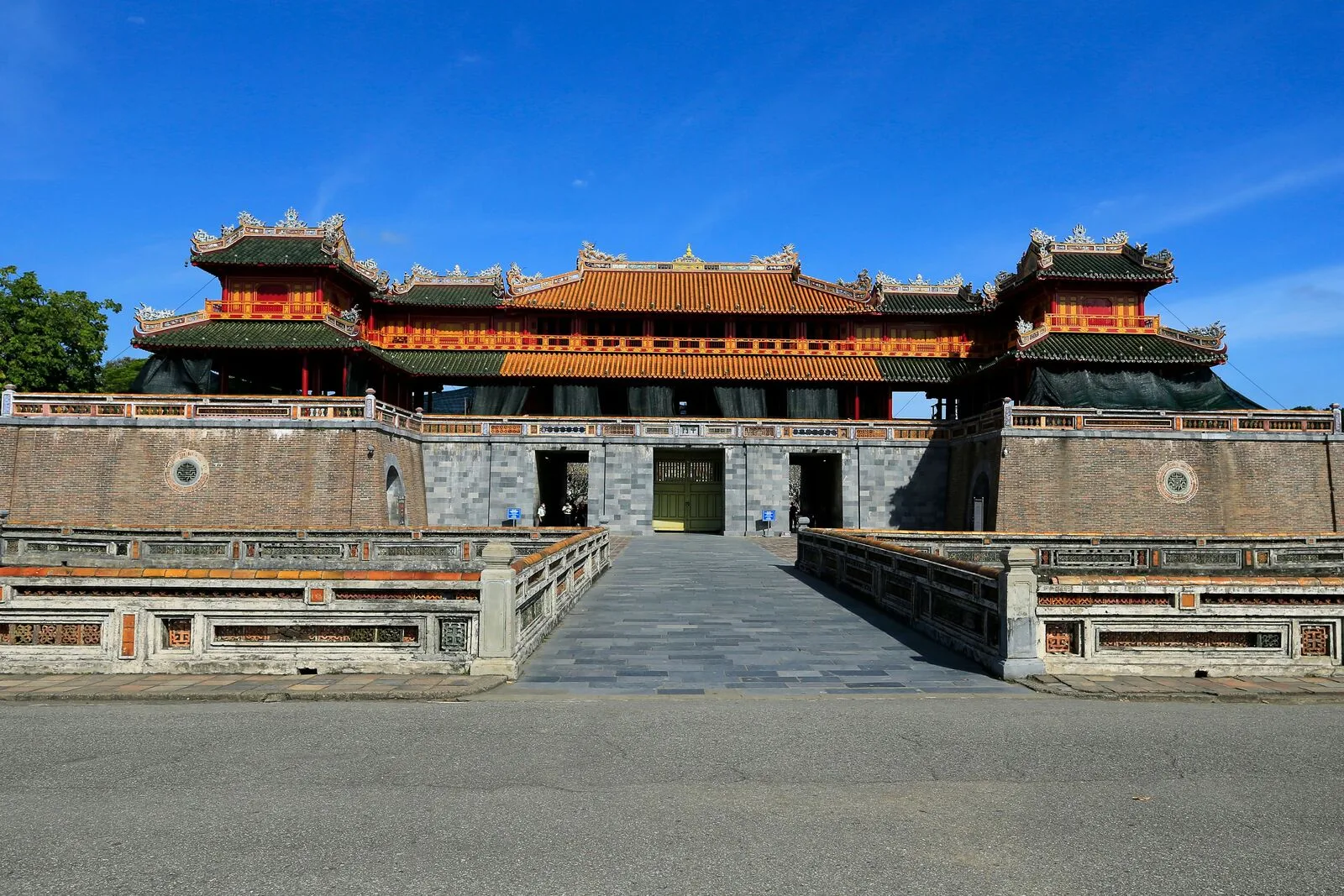
Start where the emperors did. The Imperial Citadel is a walled city within the city, entered through the Ngo Mon or Meridian Gate — the tiered gatehouse with the yellow roof that ends up on everyone’s camera roll. Inside are courtyards, ceremonial halls and the Forbidden Purple City, once reserved for the royal family alone. Parts are beautifully restored. Parts are still bare foundations with the grass growing through. The mix is the point — go early, before the courtyards turn into a heat trap.
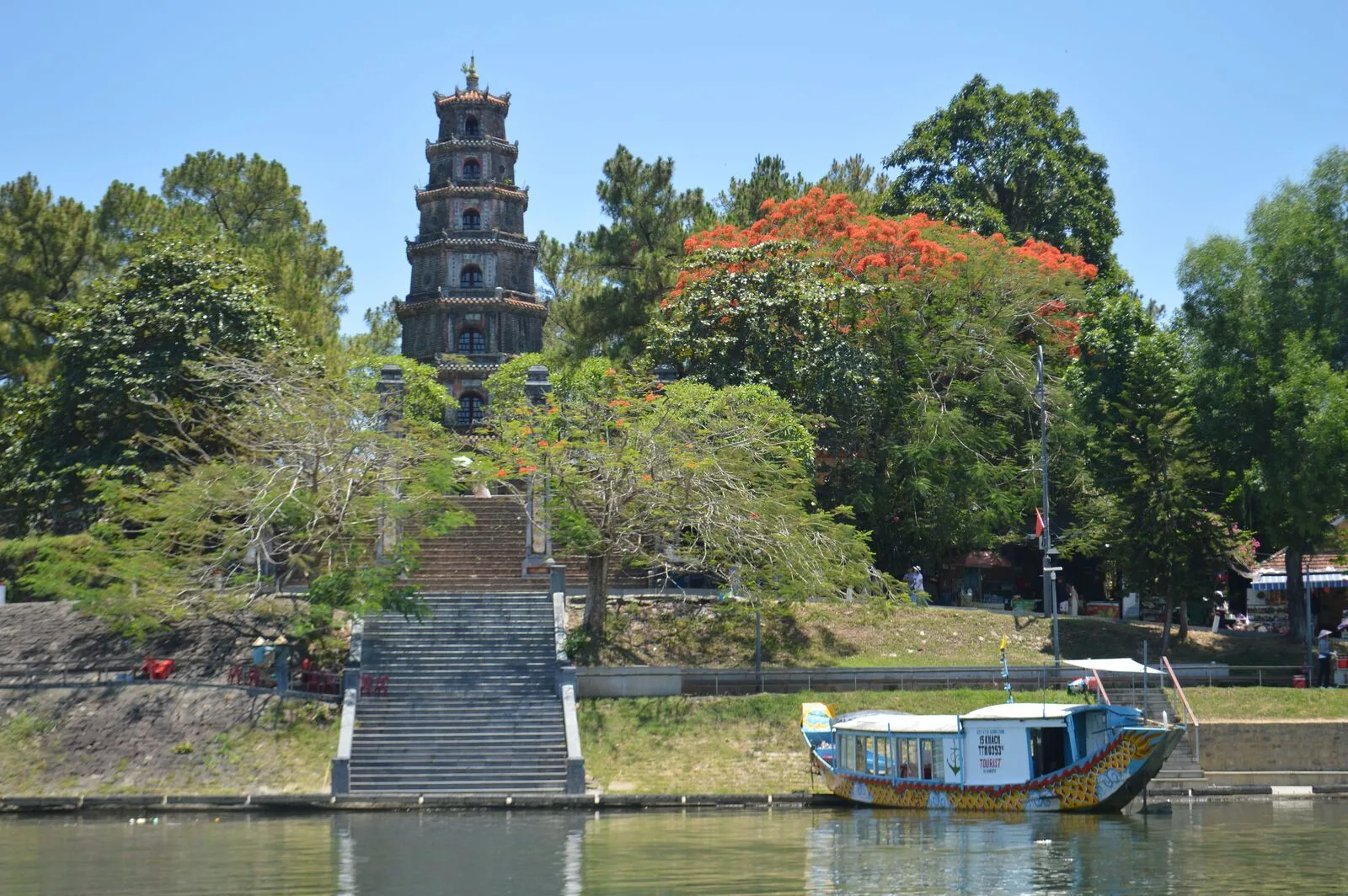
Then get on the water. A boat down the Perfume River takes you to Thien Mu Pagoda, founded in 1601 by Lord Nguyen Hoang and still an active monastery. Its seven-storey Phuoc Duyen Tower was added in 1844 by Emperor Thieu Tri and stands about 21 metres tall. It is calm in a way the Citadel simply isn’t, and the shaded steps up from the river landing are a good place to sit for ten minutes.
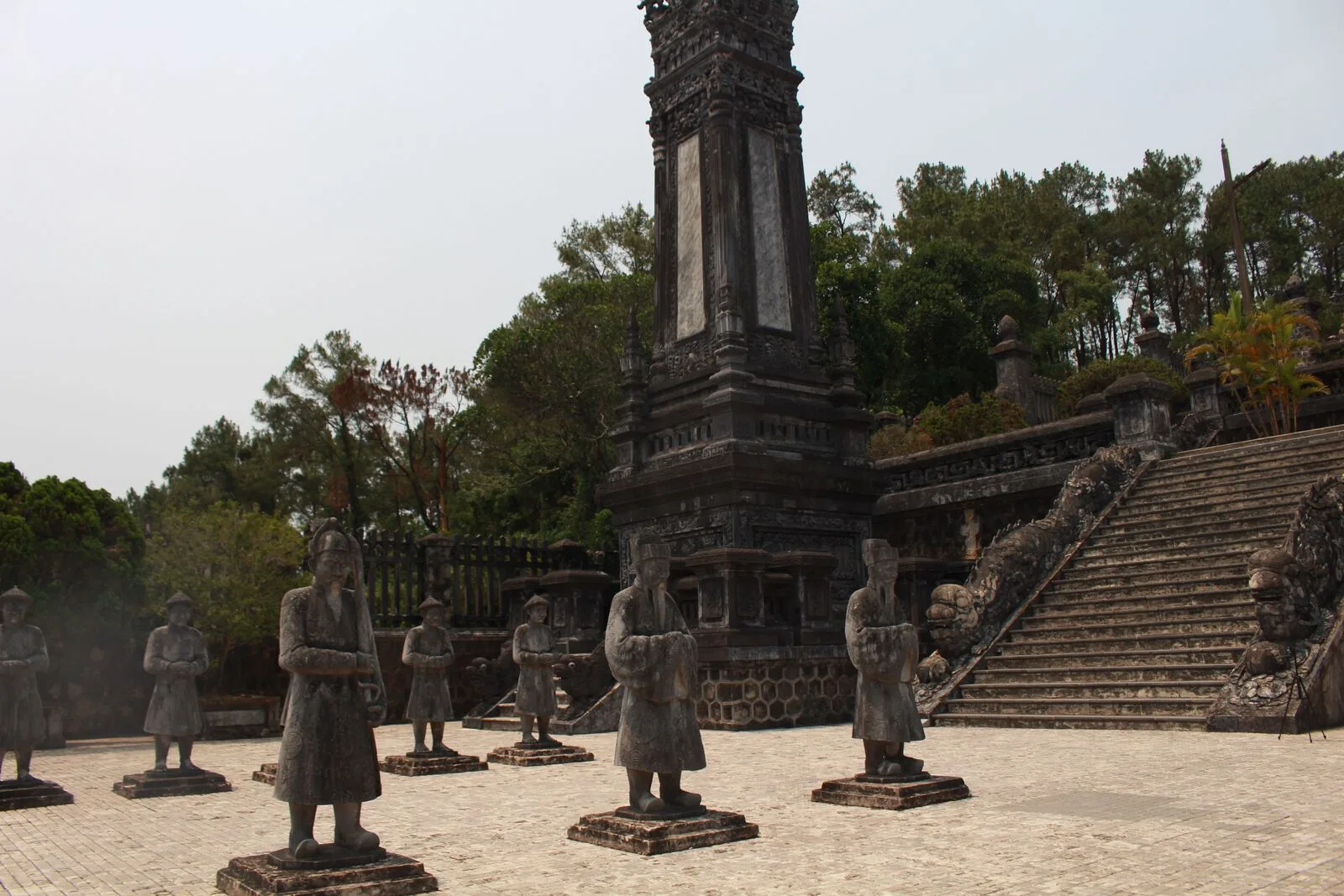
The royal tombs are the third piece, spread through the hills upstream rather than clustered together, so most people pick one or two. The tomb of Khai Dinh, built between 1920 and 1931, is the one that surprises Australians most — the smallest of the imperial tombs but by far the most elaborate, mixing Vietnamese and European styles, with a stone honour guard out front and glass-and-porcelain mosaics inside. The tombs of Minh Mang and Tu Duc are greener and more garden-like if you would rather walk than climb. Two tombs in a day is plenty. Three is a slog, whatever the itinerary says.
With a third day, Hue is the usual base for a run north to the old Demilitarised Zone, taking in the Vinh Moc tunnels and the Ben Hai River. It is a long day out, better suited to travellers with a real interest in the war years than to anyone filling a spare afternoon.
A little history: the city that was Vietnam’s throne room
Hue became the capital in 1802, when Gia Long founded the Nguyen dynasty and chose this bend in the river for his seat. For the next century and a half it was the political, cultural and religious centre of the country. Then it stopped. In August 1945 Emperor Bao Dai abdicated, and 143 years of Vietnamese monarchy closed with him.
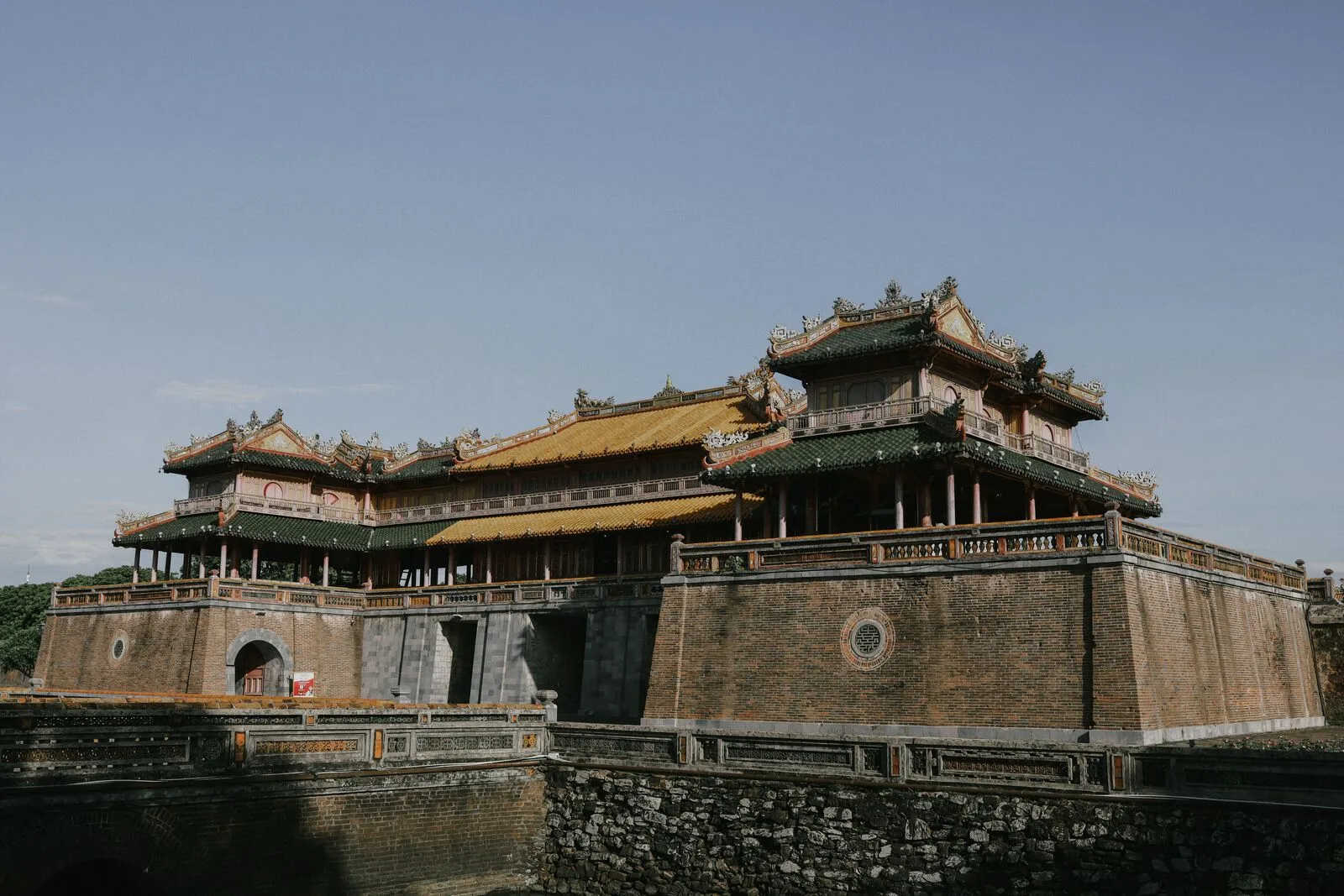
The other date that shapes what you see today is 1968. During the Tet Offensive, the Battle of Hue ran from late January into early March and left much of the Citadel in ruins. A lot of what looks weathered is not simply old. It is rebuilt, or deliberately left as it was found. When UNESCO inscribed the Complex of Hue Monuments in December 1993, making it Vietnam’s first World Heritage Site, that listing was as much about protecting the recovery as celebrating the architecture.
When is the best time to visit Hue?
Hue has a wetter reputation than the rest of central Vietnam, and it earns it. The short version: come between February and April if you can choose freely, and treat October and November as the months to plan around.
| Season | Weather | Good for | Crowds |
|---|---|---|---|
| Feb–Apr (best) | Mild, roughly 20–24°C; rain drops away sharply after January and tends to be light drizzle | Walking the Citadel and tombs, river boat trips, photography | Moderate — the popular window |
| May–Aug (hot) | The hottest stretch; May and August can push towards 40°C in the middle of the day | Early-morning sightseeing, late-afternoon river and riverside dining | Busy with domestic holidaymakers |
| Sep–Dec (wet) | The rainy season; October is the wettest month at around 407 mm, and flooding is possible from September to November | Food, museums, tea houses — pack a proper rain jacket and keep plans loose | Quietest of the year |
| January | Cooler and still damp as the wet season tails off; February is the driest month at about 93 mm | Shoulder-season prices, cool-weather walking | Light, apart from Lunar New Year |
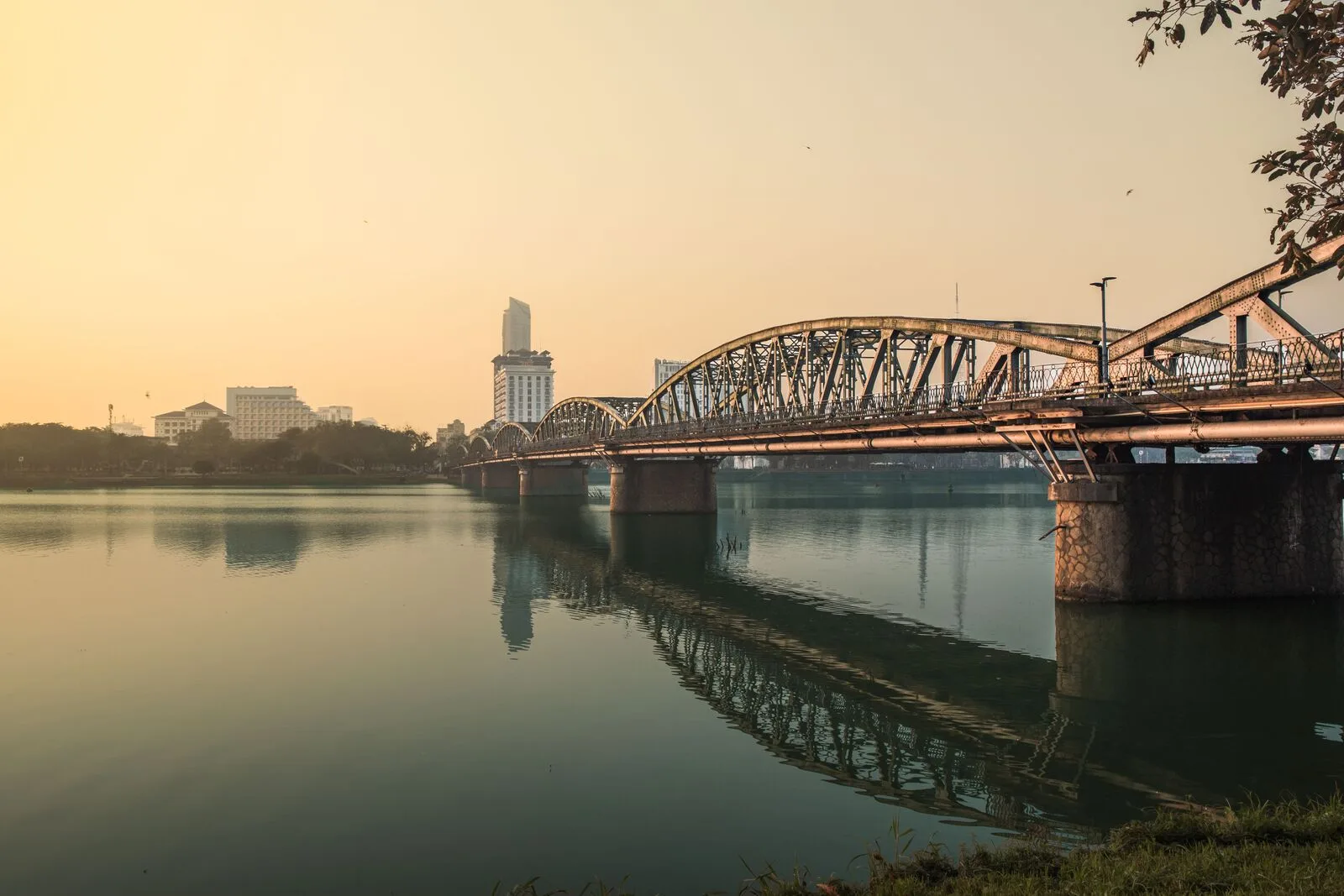
Comfort tip: whatever month you land in, do the Citadel first thing in the morning. There is very little shade across those courtyards, and by mid-afternoon in the hot months you will be looking for a chair rather than a palace. Save the river and the tombs for the cooler end of the day.
Planning the wider trip? Hue pairs naturally with the coast just south of it — have a look at our 5-day Central Vietnam tour taking in Hue, Da Nang and Hoi An for a sense of how the three fit together.
People, culture and etiquette in Hue
Hue carries itself differently from Vietnam’s big cities. Locals will tell you it is more reserved, more attached to its traditions — you hear it in the softer central accent, you see it in how carefully food is presented, and you feel it in how early the streets go quiet. Buddhism runs deep here, which is part of why the pagodas are working monasteries rather than museum pieces.
The etiquette is simple. Cover your shoulders and knees at pagodas and tombs, take your shoes off where you see everyone else’s lined up, and keep your voice down inside shrine halls — people are actively praying in them. At the tombs, stay off the raised platforms and altars. Ask before photographing monks or anyone at prayer. None of it is fussy; it is the ordinary courtesy locals extend to each other.
What food should you try in Hue?
Hue food splits into two traditions — the refined royal cuisine developed for the court, and the everyday street food locals actually queue for. The second is where the city really shines.
- Bun bo Hue — the city’s most famous export. A beef noodle soup built on lemongrass and shrimp paste, with thick round rice noodles, sliced beef and often pork knuckle, served with herbs, lime and chilli. Spicier and more assertive than pho, and completely different in character.
- Banh khoai — a small, thick, crisp rice pancake stuffed with prawn, pork and bean sprouts. Think of it as banh xeo’s denser cousin: less floppy, more crunch, eaten wrapped in herbs and dunked in a savoury sauce.
- Com hen — rice with tiny river clams, herbs, peanuts and crisp shallots, with a tangy dressing. It is a genuinely local dish tied to the Perfume River, and it is usually a very cheap breakfast.
- Royal-style banquets — several restaurants serve tasting menus modelled on court cooking, in small, finely presented dishes. A good one-off dinner if you want the other half of the story.
Ask your My Viva Tour guide where they eat bun bo Hue for breakfast. Every one of them has a favourite, and it is rarely the place with the English menu out the front.
Hue travel guide: know before you go
- Best time: February to April. Avoid October and November if flooding would derail your plans.
- What to wear: light, breathable clothing, but bring something that covers shoulders and knees for pagodas and tombs. Comfortable walking shoes — the Citadel is bigger than it looks. A rain jacket from September onwards.
- Getting around: the centre is walkable and taxis and ride-hailing apps are easy. The tombs are spread out in the hills, so a car with a driver or a guided day is far less stressful than piecing it together yourself.
- Getting here and on: Phu Bai International Airport (HUI) serves the city. Da Nang is roughly 100 km away, about two hours by road, either over the Hai Van Pass for the coastal views or through the tunnel if you would rather be quick. Phong Nha is around 210 km north, roughly four hours direct.
- Etiquette: dress modestly at religious sites, remove shoes where indicated, and ask before photographing people at prayer.
Hue travel guide FAQs
Is Hue worth visiting?
Yes, particularly if you have any interest in Vietnamese history or food. Hue was the imperial capital from 1802 to 1945, and its Complex of Hue Monuments was Vietnam’s first UNESCO World Heritage Site, listed in 1993. It is also noticeably calmer than Hanoi or Ho Chi Minh City, which makes it a good breather in the middle of a longer trip.
How many days do you need in Hue?
One full day covers the Imperial Citadel and a boat trip to Thien Mu Pagoda. Two days lets you add one or two royal tombs at a comfortable pace. Three days makes sense if you want a Demilitarised Zone day trip or a proper run at the food.
What is the best time to visit Hue?
February to April, when temperatures sit around 20–24°C and rainfall drops well away from its peak. February is the driest month at about 93 mm. October is the wettest at around 407 mm, and flooding is possible between September and November.
What should you wear to the Hue tombs and pagodas?
Cover your shoulders and knees. A light long-sleeved shirt or a scarf is enough, and it doubles as sun cover on the open courtyards. Wear shoes you can slip off easily, because you will be removing them at shrine halls.
What food is Hue known for?
Bun bo Hue, a spicy lemongrass and shrimp-paste beef noodle soup, is the signature dish. Also try banh khoai, a small crisp stuffed rice pancake, and com hen, rice with river clams, herbs and peanuts. Hue is equally known for its refined royal court cuisine.
Why Hue stays with me
What stayed with me about Hue was not the Citadel, impressive as it is. It was the hour on the river to Thien Mu, with the tower coming up out of the trees and nobody in any particular hurry. I came off the boat calmer than I got on it. That almost never happens to me on a work trip.
Over to you: what about you? If Hue is already part of your travel story, tell me in the comments below — I would love to hear what stayed with you.
See Hue with My Viva Tour
Hue works best when someone else handles the driving between the tombs and the timing around the weather. Our 5-day Central Vietnam tour puts Hue alongside Da Nang and Hoi An, while the 16-day Wonderful Vietnam tour takes in the Citadel, Thien Mu Pagoda and the Khai Dinh tomb as part of a full north-to-south run.
Want more before you decide? Browse everything we have written about Hue, read Kim Nga’s family trip back to Vietnam after 40 years for a real traveller’s route through the centre, or take the slower, more personal read in Hue: a timeless journey into Vietnam’s imperial past. Heading down the coast afterwards? Our Da Nang travel guide picks up where this one leaves off.
Tell us how long you have and what you actually want out of it, and we will build the days around that — no rushing you through three tombs before lunch.
Travel notes fact-checked: August 2026.