Kampot Travel Guide: Pepper Farms, Bokor & River Life
Last updated: October 30, 2026

This Kampot travel guide is for the traveller who has done the temples and the big cities and now wants Cambodia at a slower pace: a sleepy river town, pepper farms, a misty mountain and fresh crab by the sea. I send guests here when they tell me they want to meet people, eat well and stop rushing. Kampot is very good at all three.
Quick answer: Kampot is a riverside town in southern Cambodia, on the Praek Tuek Chhu river about 5 km from the Gulf of Thailand and roughly 150 km from Phnom Penh. It suits travellers who want slow days, French colonial streets, world-famous Kampot pepper and day trips to Bokor National Park and the Kep crab market. The best time to visit Kampot is usually the cooler dry season from about November to February. Allow two to three days.
- Country: Cambodia (Kampot Province, south coast)
- Best time: about November to February, dry and a little cooler
- Known for: Kampot pepper, Bokor Hill Station, sunset river cruises, the Old Market, Kep crab
- Good for: couples, foodies, slow travellers, anyone adding a calm coastal stop to Phnom Penh or Siem Reap
- Getting there: about 3 to 4 hours by road from Phnom Penh, or the daily train
In this guide: Things to do · History · Best time · Culture · Food · Tips · FAQs
What are the best things to do in Kampot?
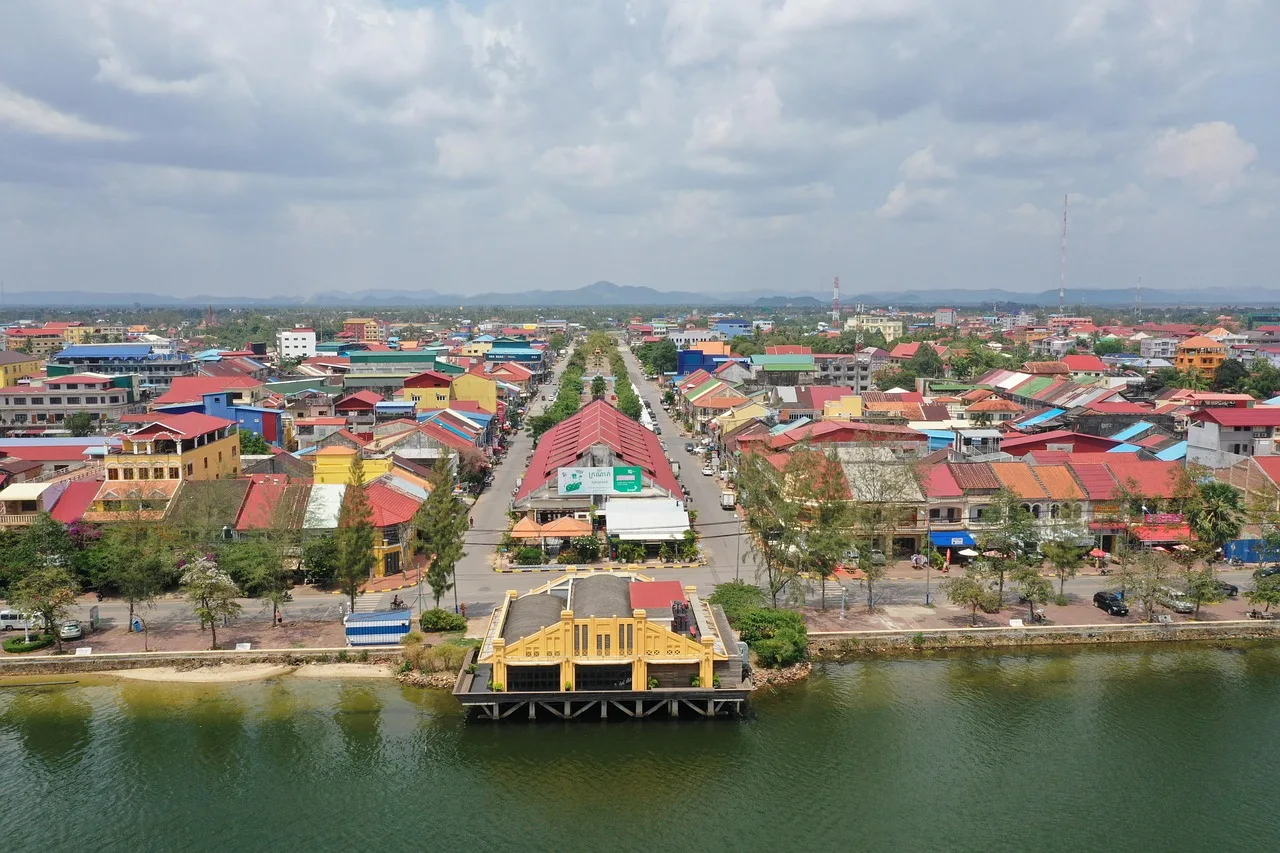
Begin in town, on foot. The old centre is a grid of faded French-era shophouses, some restored in mustard and ochre, others still peeling. The Old Market sits right on the riverfront and has been restored, and a few streets away you’ll find the town’s much-photographed Durian Roundabout. The province is known for its durian, and locals are proud of it, smell and all.
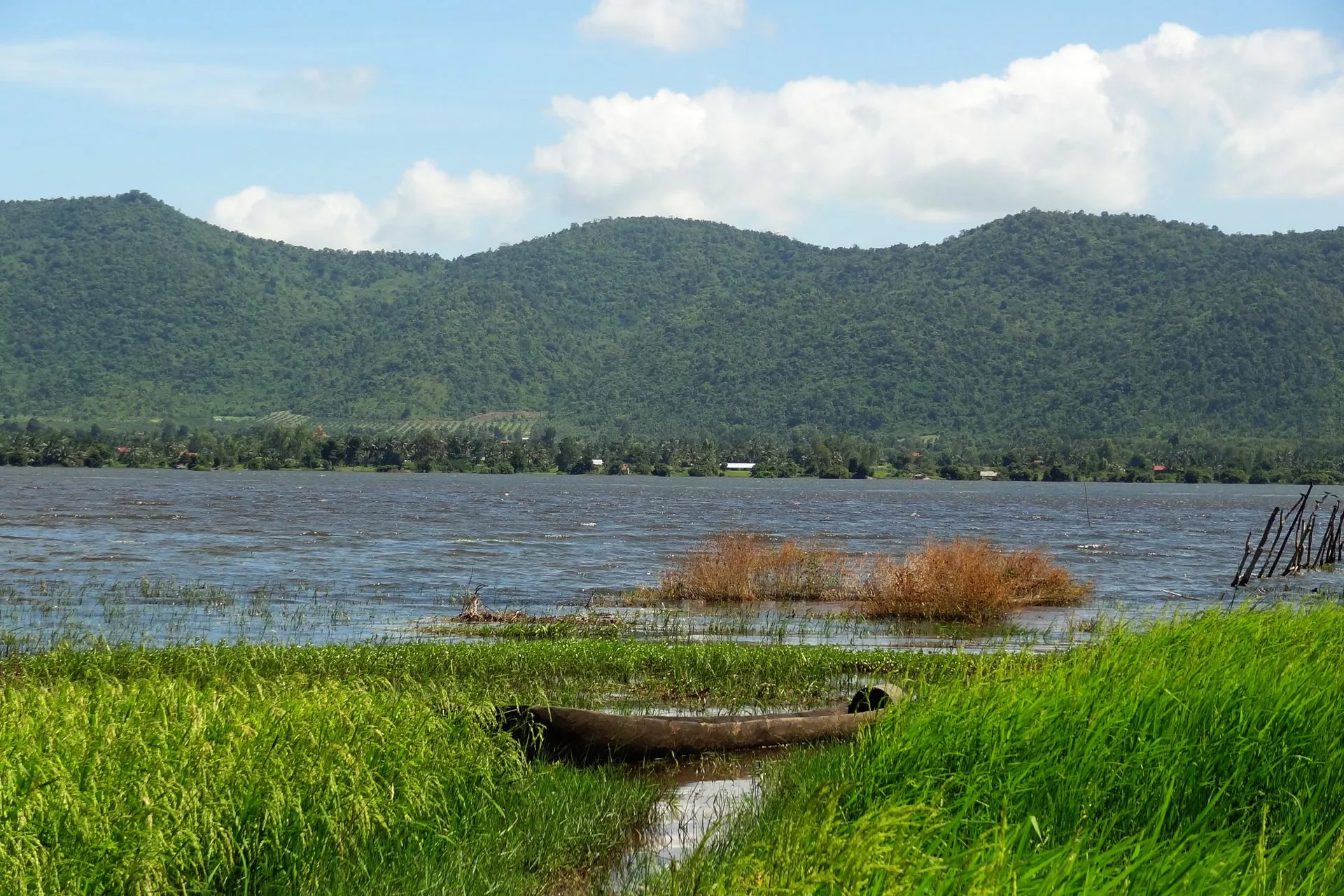
Late afternoon belongs to the river. Sunset boat cruises leave from the town jetties and drift upstream as the light turns gold over the hills. Some boats wait until dark so you can look for fireflies in the mangroves along the bank. They don’t appear every night, so treat them as a bonus, not a promise.
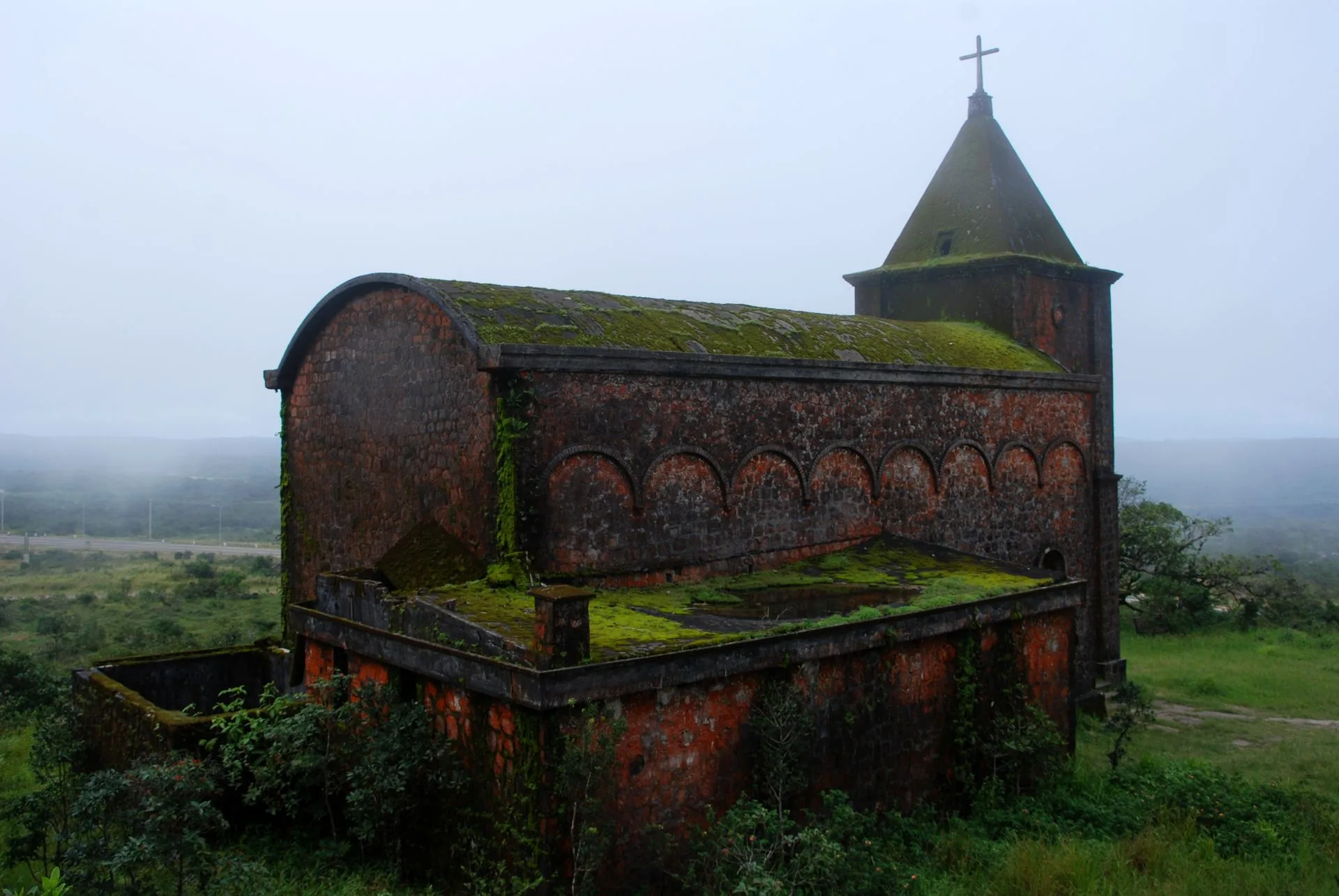
Give one full day to Bokor National Park, just west of town. A sealed road climbs to the old Bokor Hill Station, a cool-air retreat the French began building in the early 1920s, at roughly 1,000 metres up. The grand Bokor Palace hotel opened there in 1925. Today the ruined Catholic church still stands on the plateau, mossy and often wrapped in cloud, and the hilltop pagoda of Wat Sampov Pram looks out over the coast. Bring a light jacket. It can feel properly chilly up there after the lowland heat.
Closer to town, Phnom Chhngok is one of my favourite small surprises: a cave about 8 km from Kampot with a little brick temple to Shiva built inside it, usually dated to the 7th century, long before Angkor. On hot days, families head to the Teuk Chhou rapids, around 8 to 10 km north, to picnic and cool off in the water.
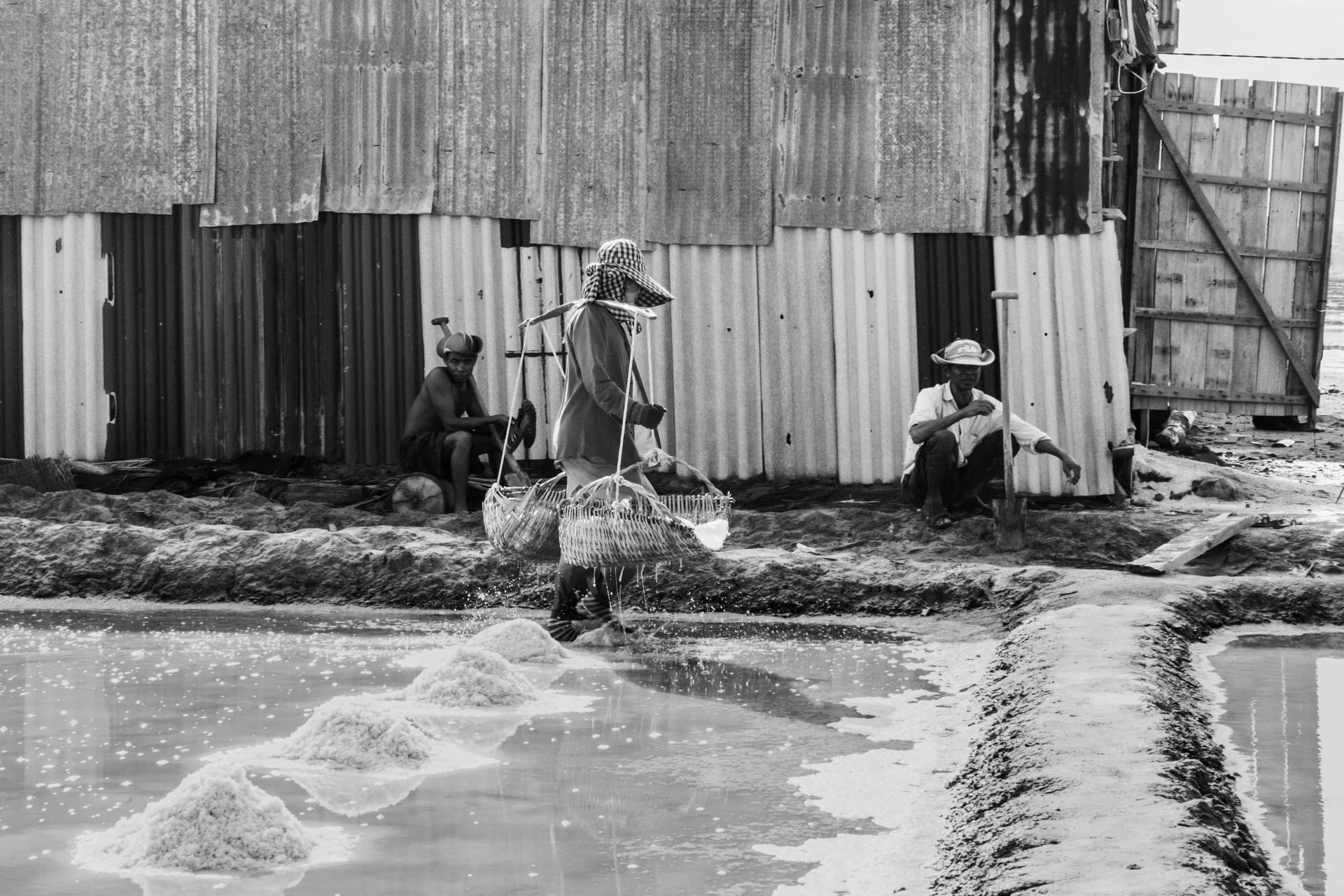
Then there’s the pepper. Visit a farm such as La Plantation or Sothy’s, walk between the vines and taste green, black, red and white pepper side by side. On the way to Kep, the flat salt fields are worth a stop, especially between about January and May, when the harvest is on.
Easy three days: Day 1 · old town and Old Market, sunset river cruise · Day 2 · Bokor National Park, back for dinner by the river · Day 3 · pepper farm and salt fields in the morning, Kep crab market for lunch.
A little history: the port that slowed down
Kampot was once one of Cambodia’s main ports. Goods came down the river and out to sea from here, and the French left their shophouses and a hill station behind. Then, from the late 1950s, the deep-water port at Sihanoukville took the trade, and Kampot quietly lost its business.
That decline is a big part of its charm today. The town never got the tower blocks. Its streets kept their low colonial lines, and life moved back to the river, the farms and the market. Pepper had been grown here for a very long time, and it became the area’s pride again: Kampot pepper gained Geographical Indication status in Cambodia in 2010 and protected status in the European Union in 2016.
When is the best time to visit Kampot?
Cambodia has two big seasons, dry and wet. For most of our guests, the sweet spot is the cooler part of the dry season, roughly November to February. Skies are clearer, the river is calm, and Bokor is more likely to show you its views. From March the heat builds, peaking around April and May. The wet season usually runs from about May or June to October, with heavy afternoon downpours and very green countryside.
| Season | Weather | Good for | Crowds |
|---|---|---|---|
| Cool, dry (Nov–Feb) | Dry, sunny, less humid | Bokor views, cycling, river cruises | Busiest, still relaxed |
| Hot, dry (Mar–May) | Hottest months, hazy at times | Salt harvest, early mornings, Kep seafood | Moderate |
| Wet (about Jun–Oct) | Afternoon downpours, lush and green | Quiet stays, green rice fields | Quietest |
Planning around a particular week? Ask My Viva Tour and we’ll tell you honestly what Kampot will be like on your dates.
People, culture & etiquette in Kampot
Kampot wakes early. By the time most visitors have breakfast, the market stalls are stacked with herbs, river fish and fruit, and monks in saffron robes have already walked their morning alms round. Buddhism is at the heart of daily life. Around 96 percent of Cambodians are Buddhist, almost all Theravada.
People here are gentle and warm, and a little effort goes a long way. Greet with the sampeah, palms pressed together at chest height, and a smile. At any pagoda, cover your shoulders and knees and take your shoes off before you step inside. Never touch someone’s head, and avoid pointing your feet at people or at a Buddha image.
Culture note: at the pepper farms, watch how the pickers handle each cluster. The red peppercorns are left on the vine until they are fully ripe, then picked by hand, one bunch at a time. Ask your guide to translate a few questions for the farmers. They are usually happy to talk about their vines, and it’s the best lesson in Kampot pepper you’ll get.
What food should you try in Kampot?
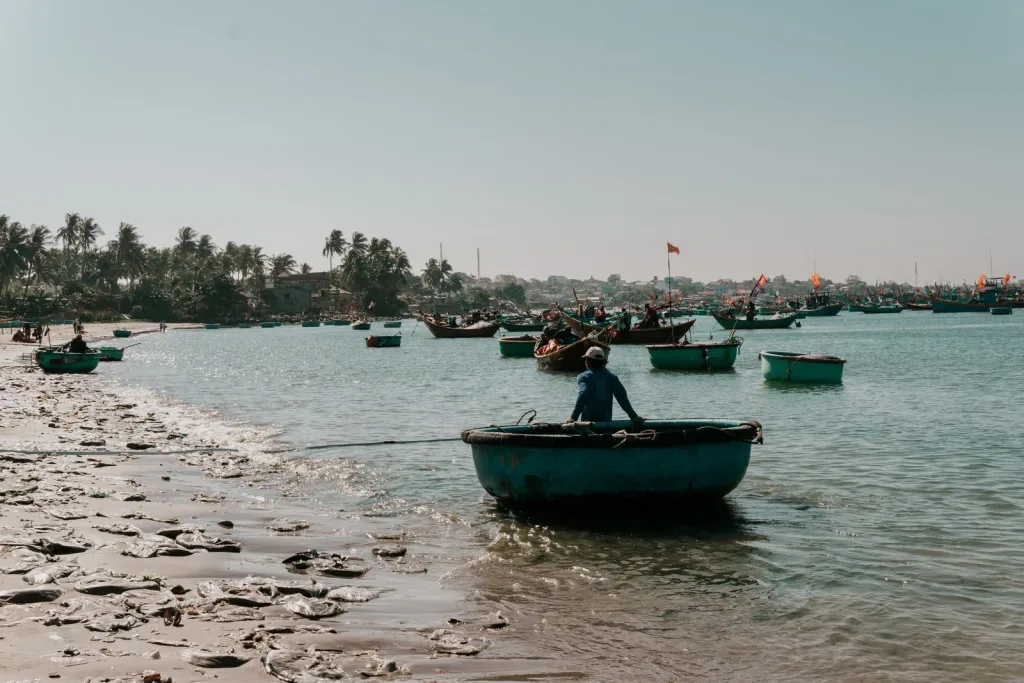
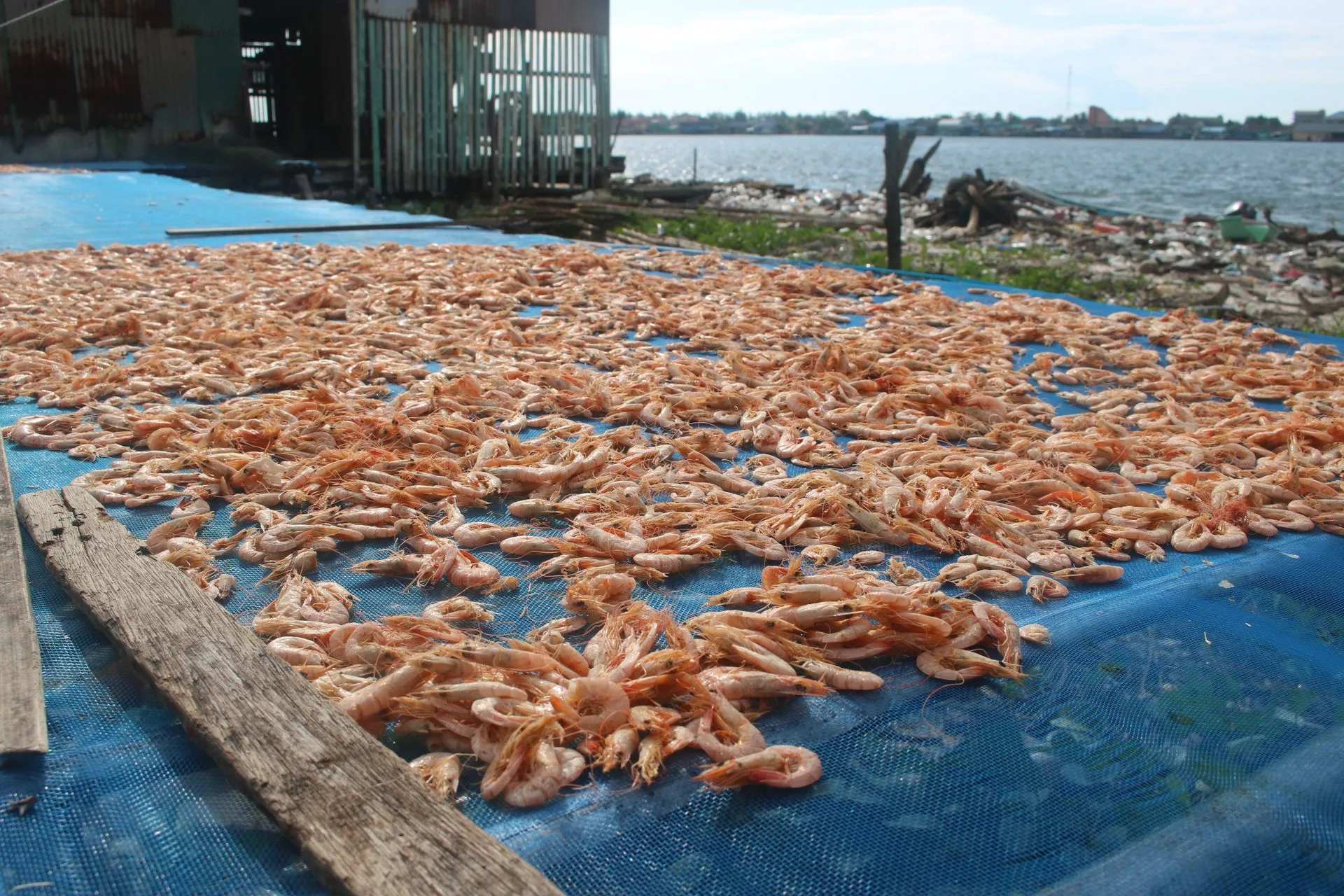
The dish everyone talks about is Kep crab with green Kampot pepper. At the Kep crab market, about 25 km from Kampot, women pull the crabs from baskets kept in the sea and stir-fry them with whole sprigs of fresh green peppercorns. It’s sticky, peppery and messy in the best way. Ask your My Viva Tour guide which stall they eat at themselves.
Back in town, try fish amok, a fragrant coconut curry steamed until it’s almost like a soft custard, and num banh chok, Khmer rice noodles with a fish-based green curry that locals often eat for breakfast. Lok lak, stir-fried beef with a lime and pepper dipping sauce, tastes even better with local pepper. Your guide can point you to the best local spots.
Kampot travel guide: know before you go
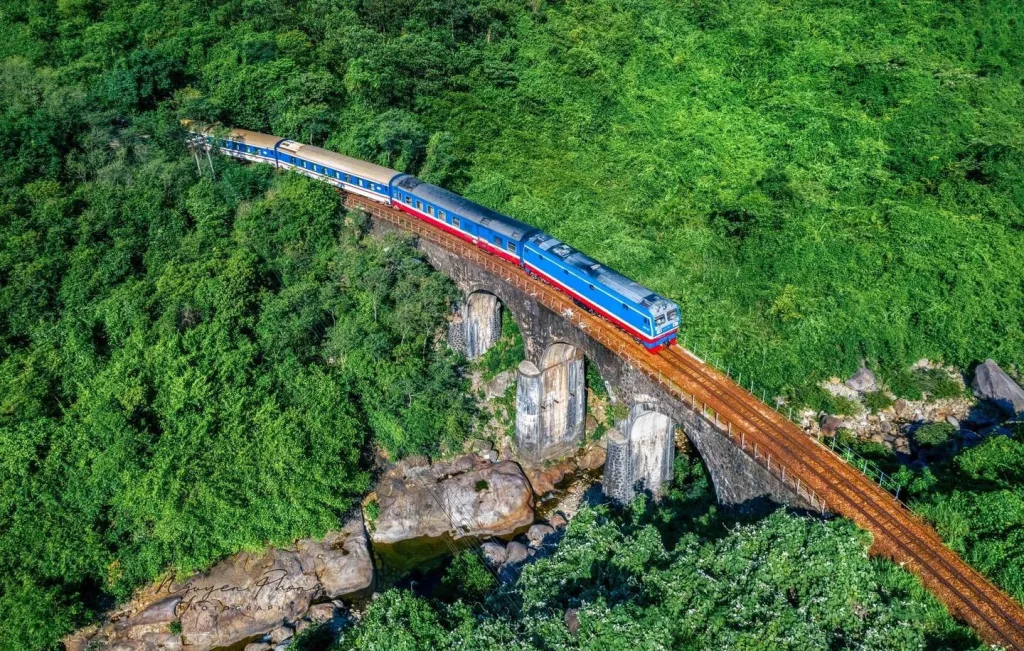
- Getting there: Kampot is about 3 to 4 hours by road from Phnom Penh. One train a day links Phnom Penh, Kampot and Sihanoukville. Phnom Penh’s main airport is now Techo International Airport.
- Visa: Australian, UK and US travellers need a visa. You can apply for a tourist e-Visa on the official evisa.gov.kh site, or get a visa on arrival.
- Arrival card: if you fly in, complete the free Cambodia e-Arrival card at arrival.gov.kh within 7 days before you land. Rules can change, so check before you travel.
- Money: US dollars are widely used alongside the Cambodian riel, and small change often comes back in riel.
- What to wear: light, breathable clothes, plus something that covers shoulders and knees for pagodas and a jacket for Bokor.
- Getting around: the town is walkable; use a tuk-tuk or a driver for Bokor, the caves and Kep.
Kampot travel guide FAQs
Is Kampot worth visiting?
Yes, if you enjoy slow travel, food and countryside. Kampot gives you colonial streets, river sunsets, pepper farms and Bokor National Park, with a much calmer feel than Phnom Penh or Siem Reap.
How many days do you need in Kampot?
Two to three days is ideal. That gives you one day in town and on the river, one day at Bokor, and time for a pepper farm, the salt fields and lunch in Kep.
When is the best time to visit Kampot?
The cooler dry season from about November to February is the most comfortable. March to May is hot, and the wet season runs roughly June to October, with heavy afternoon rain.
How do you get from Phnom Penh to Kampot?
Kampot is roughly 150 km from Phnom Penh, about 3 to 4 hours by road. Most travellers take a private car or a bus; there is also one train a day.
What is Kampot known for?
Kampot is best known for its pepper, which has protected Geographical Indication status. It is also known for Bokor Hill Station, sunset river cruises, its salt fields and the nearby Kep crab market.
Why Kampot stays with me
What I remember most about Kampot isn’t a sight. It’s the smell of crushed green pepper on my fingers after a farm visit, and the way the river goes pink and silver while the boats come home.
Guests often arrive tired from the temples and the traffic. Two days later they’re chatting with the lady at the noodle stall and asking if they can stay one more night. That’s Kampot. It doesn’t try hard, and that’s exactly why it works.
Over to you: have you eaten Kep crab or watched a Kampot sunset from the river? Tell me about it in the comments below. I’d love to hear your favourite spot.
See Kampot with My Viva Tour
Most guests reach Kampot from the capital, so start with our Phnom Penh travel guide, and pair it with the temples in our Siem Reap travel guide. Our Explore Cambodia 9-day tour doesn’t include Kampot as standard, but we can tailor-make a couple of river-town days into it. For a real trip that crossed both countries, read Carmen’s Vietnam and Cambodia trip story. You can also browse every story tagged to the town on our Kampot destination page.
Ready to plan it? Send My Viva Tour an enquiry and we’ll pace Kampot into your Cambodia trip.
Travel notes fact-checked: October 2026.