Ho Chi Minh City Travel Guide: Saigon Food, History & Best Time to Go
Last updated: August 6, 2026
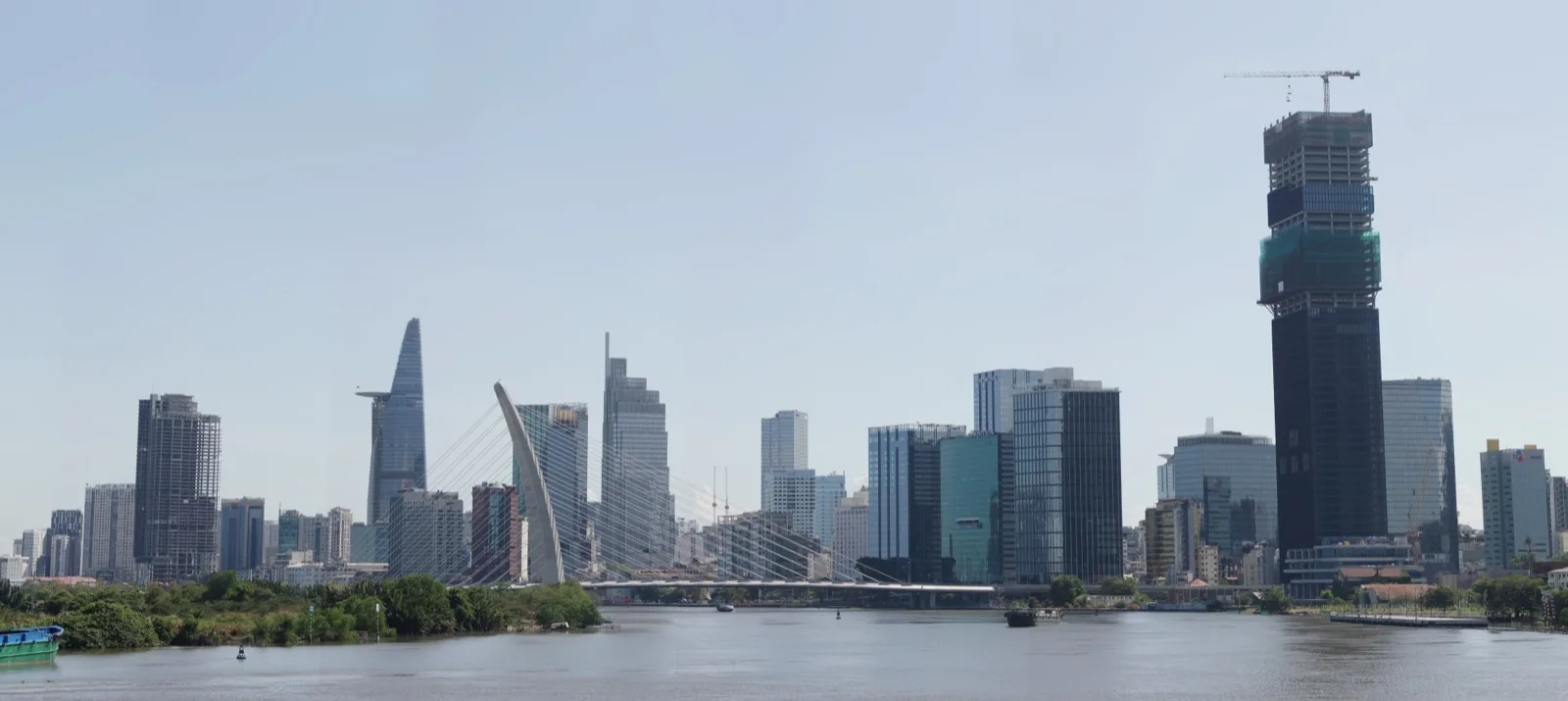
A Ho Chi Minh City travel guide has to start with the noise, because that is the first thing you notice — the tide of motorbikes, the coffee stalls set up on the footpath, the smell of grilled pork drifting out of an alley at seven in the morning. Vietnam’s largest city, still called Saigon by almost everyone who lives here, sits in the country’s south and runs at a pace nowhere else in Vietnam quite matches.
It is also easier to enjoy than it looks from the outside. The historic core is walkable, the food is world-class at street prices, and some of Vietnam’s most rewarding day trips — the Cu Chi Tunnels, the Mekong Delta, the beaches at Vung Tau — start within a couple of hours of your hotel door.
Quick answer: Ho Chi Minh City, still widely called Saigon, is Vietnam’s largest and most energetic city, in the country’s south. Its top draws are history sites like the War Remnants Museum, Independence Palace, Notre-Dame Cathedral and the nearby Cu Chi Tunnels, plus a celebrated street-food scene, rooftop nightlife and affordable luxury shopping. The southern dry season, roughly December to April, is the most comfortable time to visit, with short afternoon downpours from May to November. Two to three days suits the city, with easy day trips to the Mekong Delta or Vung Tau.
- Country: Vietnam
- Best time: December–April, the southern dry season
- Known for: war history sites, street food, rooftop bars, affordable luxury shopping and stays
- Good for: first-timers, food lovers, city people, anyone starting or finishing a Vietnam itinerary in the south
In this guide: Things to do · A little history · Best time to visit · Culture · Food · Know before you go · FAQs
What are the best things to do in Ho Chi Minh City?
Most first visits start with the history, and the two sites that anchor it sit within a short walk of each other. The War Remnants Museum is confronting and not a comfortable morning, but almost every traveller I send there comes back saying it reframed the rest of their trip. Independence Palace — the old Reunification Palace, tanks and all — is the lighter counterpart: 1960s interiors preserved as they were, right down to the war rooms in the basement.
From there the city opens up. The Central Post Office and Notre-Dame Cathedral Basilica face each other across a small square and still do a lot of the heavy lifting in the city’s French-colonial photo album. Restoration work on the cathedral has been running for several years, so treat the interior as a bonus rather than a certainty and check before you go.
For the modern skyline, Landmark 81 is the tallest building in Vietnam and has an observation deck near the top; the older Bitexco Financial Tower Skydeck gives you a tighter, more central view over the river. And for a completely different city again, head out to Cho Lon, the historic Chinese quarter, where Thien Hau Temple burns coils of incense above the courtyard and Binh Tay Market trades wholesale in everything imaginable.
The single best half-day outside the centre is the Cu Chi Tunnels, roughly 60–70 km northwest — about 1.5 to 2 hours each way depending on traffic. Crawling even a short, widened section of tunnel tells you more about the war than any display case can.
A little history: from Prey Nokor to Saigon
Before it was Saigon, this was Prey Nokor, a Khmer trading settlement on marshy ground near the river. Vietnamese settlers moved south through the 17th century, and by the 1800s the town had become the commercial hub of the Mekong region. The French took the city in 1859 and spent the following decades laying out the boulevards, opera house, post office and cathedral that still define the centre.
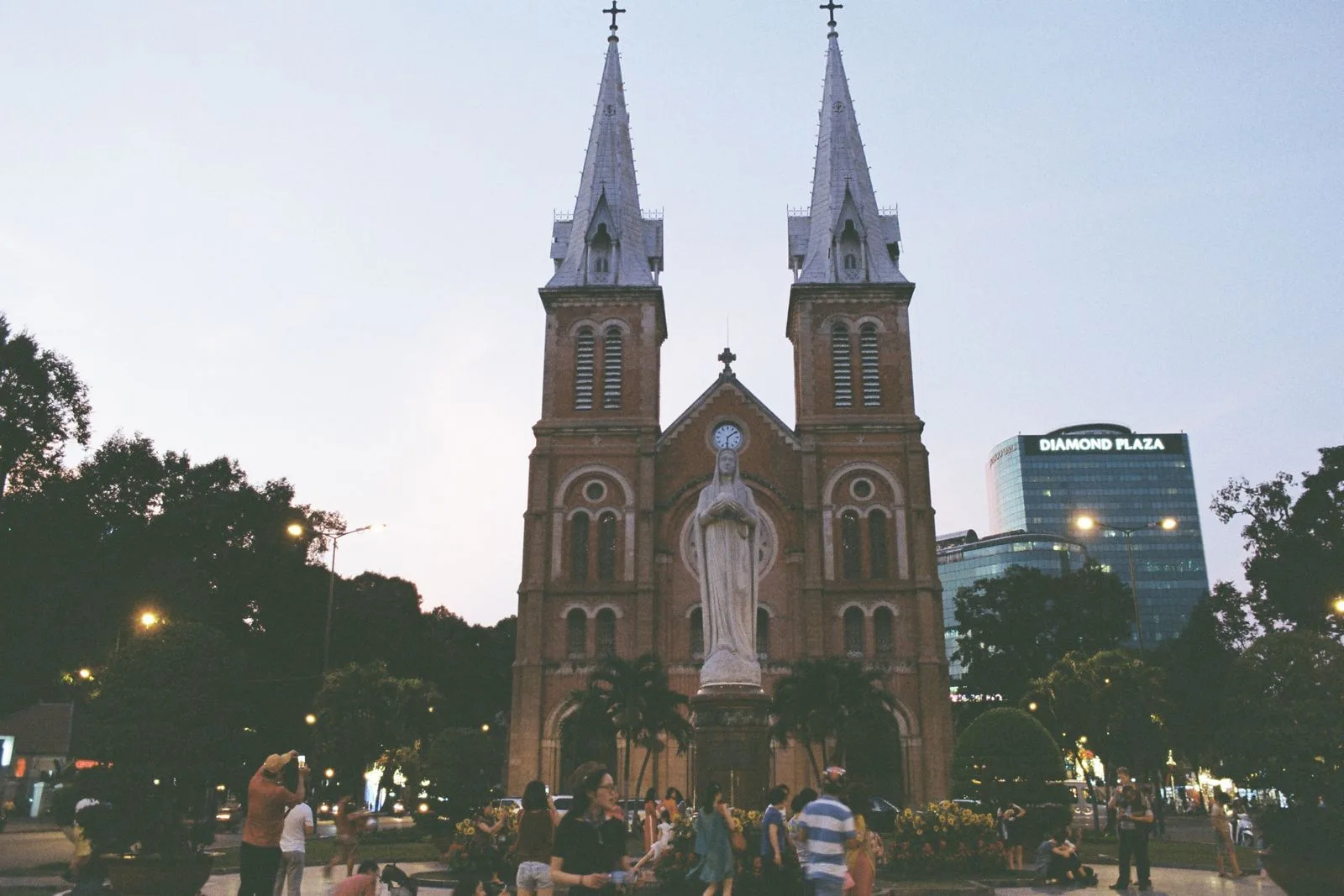
As the capital of South Vietnam it became the centre of the war years, and in 1975 it was renamed Ho Chi Minh City. Both names are still in daily use: the airport code is SGN, the river is the Saigon, and locals slip between the two without thinking about it. Reforms from the late 1980s onwards turned the city into Vietnam’s economic engine, and you can read that whole sequence — Khmer, Vietnamese, French, wartime, boom-era — in a single walk between two street corners.
When is the best time to visit Ho Chi Minh City?
The south has two seasons rather than four, and the difference between them is rain, not temperature. It is warm all year — usually somewhere between 25°C and 35°C — so the real question is how much of your afternoon you are willing to spend under an awning.
| Season | Weather | Good for | Crowds |
|---|---|---|---|
| Dec–Feb | Dry, warm, lowest humidity of the year | Walking the centre, day trips, first-timers | High (peak season) |
| Mar–Apr | Dry but genuinely hot, often above 35°C | Early starts, rooftop evenings, pool time | Moderate |
| May–Aug | Wet season begins — short, heavy afternoon downpours | Green Mekong scenery, lower prices | Low–moderate |
| Sep–Nov | Wettest months, occasional street flooding after storms | Museums, markets, food-focused trips | Low |
Two timing notes worth planning around. Wet-season rain usually arrives as an intense hour in the afternoon and then clears, so it rarely writes off a whole day — build indoor stops into your afternoons and you will barely notice it. And Tet, the Lunar New Year, falls somewhere between late January and mid-February: the city empties out and dresses up beautifully, but many family-run restaurants and shops close for several days.
People, culture & etiquette in Ho Chi Minh City
Saigon is Vietnam’s most cosmopolitan city and its most informal one. People arrive here from every province in the country, which is why the food is so varied and why nobody blinks at a foreign accent. English is widely spoken in the centre, less so once you get out to the neighbourhoods, and a little effort with xin chào and cảm ơn gets you a long way.
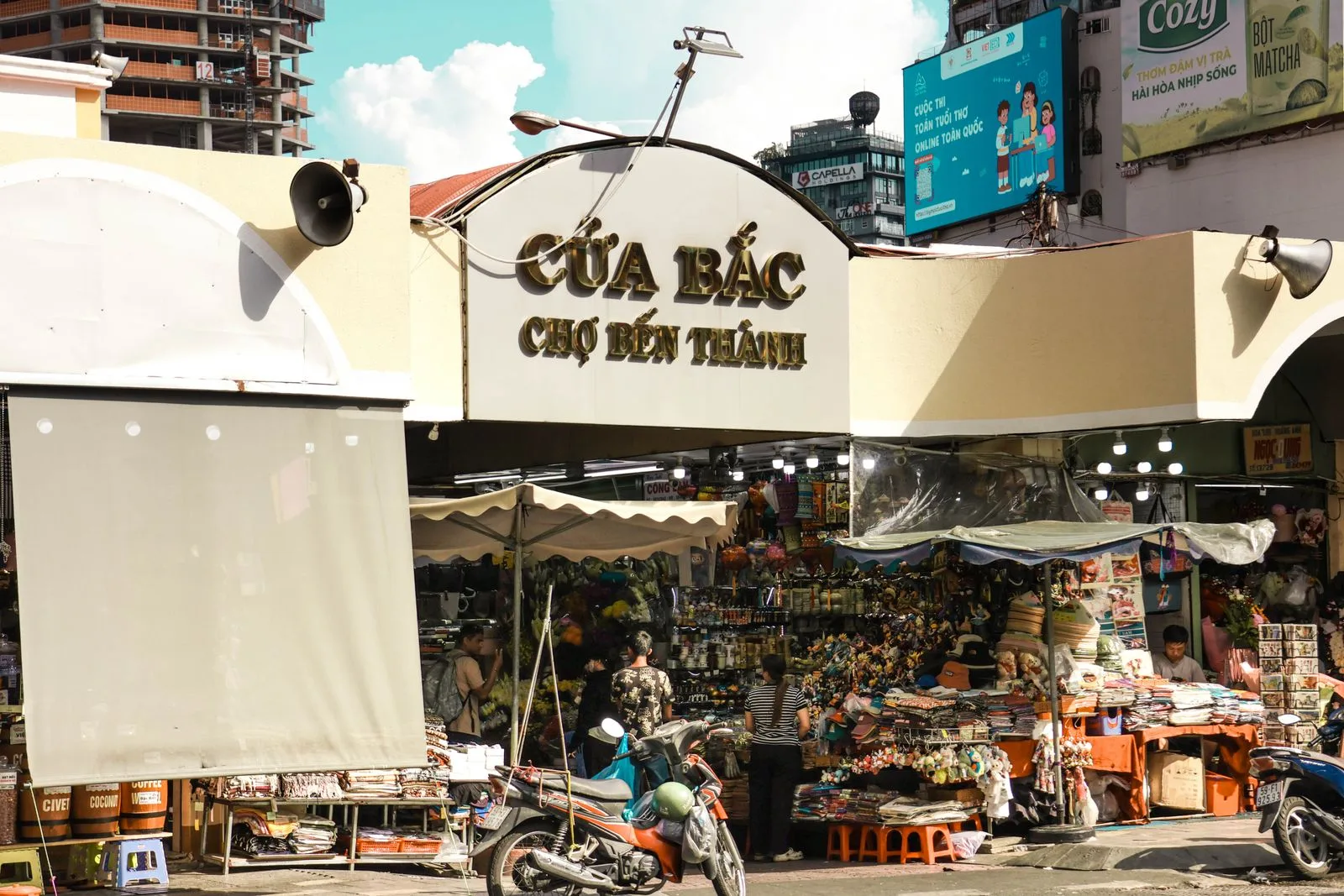
A few things worth knowing. Crossing the road is a skill, not a gamble: step off the kerb steadily, keep a constant pace, and let the motorbikes flow around you — stopping suddenly is what causes problems. Dress modestly at temples and pagodas, covering shoulders and knees. Bargaining is normal at markets like Ben Thanh and Binh Tay but should stay light-hearted; it is not expected in shops or restaurants. And cafés are social infrastructure here — nobody will rush you out of a seat you have bought a 25,000-đồng iced coffee for.
What food should you try in Ho Chi Minh City?
If you only eat one thing here, make it cơm tấm — broken rice with grilled pork, a fried egg and pickles. It is the city’s own dish in a way pho never quite is, and it is served everywhere from plastic-stool footpath stalls to air-conditioned chains. After that: bánh mì for breakfast, hủ tiếu (the southern noodle soup, often with a dry version served alongside its broth), bánh xèo — a big turmeric-yellow crepe you wrap in herbs and lettuce — and cà phê sữa đá, iced coffee with condensed milk, at least twice a day.
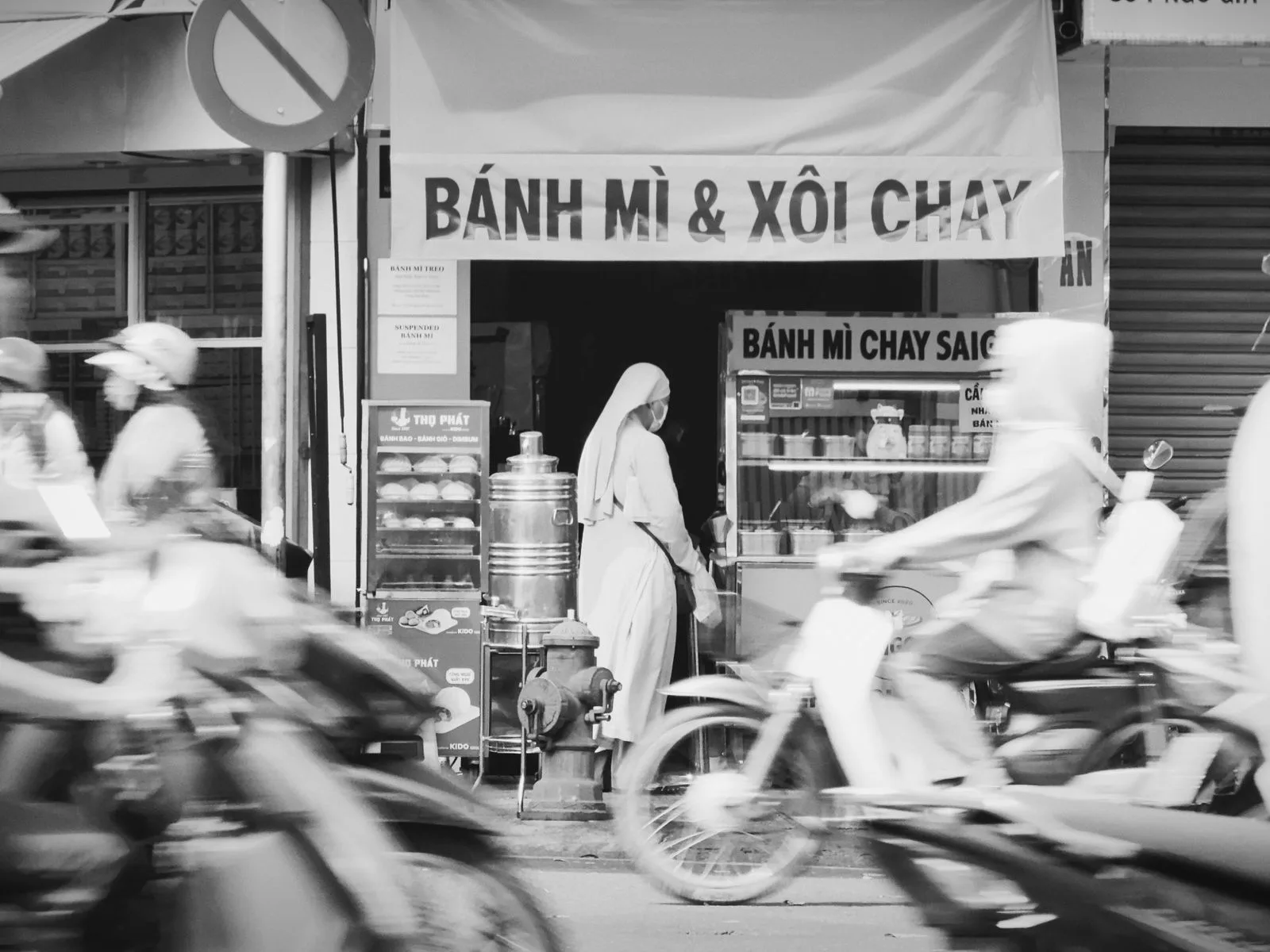
For places rather than dishes: Ho Thi Ky is a flower market by day and a dense food street by night; Vinh Khanh is the seafood strip, best after dark with a group; and the food court inside Ben Thanh Market is a fine, low-risk first meal if you have just landed. The city also has a growing Michelin-recognised scene, and by Sydney or Melbourne standards even the fine dining is remarkably affordable.
Ho Chi Minh City travel guide: know before you go
- Getting in: Tan Son Nhat International Airport (SGN) is only about 7 km from the centre — one of the shortest airport runs of any major Asian city, though allow extra time in peak traffic.
- Getting around: the city’s first metro line, running between Ben Thanh and Suoi Tien, opened at the end of 2024 and is cheap and air-conditioned. Otherwise, ride-hailing apps are the easiest way to get a car or a motorbike taxi at a fixed, visible price.
- Money: Vietnamese đồng. Cards work in hotels, malls and larger restaurants; street food, markets and small cafés are cash. Tipping is not obligatory but is appreciated for guides and drivers.
- How long to stay: two to three nights for the city itself. Add a night if you want the Mekong Delta at a relaxed pace rather than as a rushed day trip.
- Day trips: Cu Chi Tunnels (1.5–2 hrs), My Tho and the Mekong Delta (around 2 hrs), Can Gio Mangrove Biosphere Reserve, and the beach town of Vung Tau (roughly 2 hrs by road, or a fast ferry from the city centre).
- Staying safe: Saigon is a safe city for visitors, but bag-snatching from passing motorbikes does happen. Keep your phone off the table on street-facing seats and your bag on the wall side of the footpath.
Ho Chi Minh City travel guide FAQs
Is Ho Chi Minh City worth visiting?
Yes. It combines colonial-era landmarks and confronting war history with fast-moving modern energy, one of Asia’s best street-food scenes and lively nightlife. High-end shopping and five-star stays are also remarkably affordable compared with Australian or American cities.
How many days do you need in Ho Chi Minh City?
Two to three days covers the main landmarks, street food and nightlife comfortably. Extra time lets you add day trips to the Cu Chi Tunnels, the Mekong Delta or the beaches at Vung Tau without rushing.
What is the best time to visit Ho Chi Minh City?
December to April, the southern dry season, is the most comfortable — warm, mostly rain-free days, with March and April the hottest. The May to November wet season brings short, heavy afternoon downpours but stays a perfectly good time to travel, with fewer crowds and lower prices.
Is Saigon the same place as Ho Chi Minh City?
Yes. Ho Chi Minh City is the official name, adopted in 1975; Saigon is the older name and is still used constantly in everyday speech, on signs and in the airport code, SGN. Using either is completely normal.
What day trips can you take from Ho Chi Minh City?
The most popular are the Cu Chi Tunnels, the floating markets and orchards of the Mekong Delta, the Can Gio Mangrove Biosphere Reserve, and the seaside town of Vung Tau, around two hours away by road or reachable by fast ferry.
How do you get to Ho Chi Minh City from Australia?
Tan Son Nhat International Airport is served by direct flights from several Australian cities as well as connections from the United States, with Vietnamese and international carriers on the route. From the terminal, the city centre is roughly a 20–40 minute drive depending on traffic.
Why Ho Chi Minh City stays with me
Guests often tell me they planned Saigon as a one-night stopover and wished they had given it three. What changes their mind is rarely a landmark — it is the ordinary stuff. The 6am pavement coffee before the heat arrives. The alley behind a glass tower where somebody’s grandmother has been making the same bowl of noodles for thirty years. The way a city that has been through so much still feels this optimistic.
What about you? If Saigon is already part of your travel story, or you are still deciding whether to give it more than a night, tell me in the comments below — I would love to hear what you made of it.
See Ho Chi Minh City with My Viva Tour
Ready to put Saigon on your itinerary? Our Southern Vietnam – 5 Days tour pairs the city with the Cu Chi Tunnels and the Mekong Delta at a relaxed pace, while Best of Vietnam Tours – 10 Days and Viva Vietnam – 12 Days build Saigon into a full north-to-south route. Keep exploring the south with our guides to the Mekong Delta and Da Lat. Get in touch and we will help you build a trip around the pace and season that suits you.
Travel notes fact-checked: August 2026.