Da Lat Travel Guide: Best Time, Things to Do & Tips
Last updated: July 2, 2026
This Da Lat travel guide is for anyone who wants a cool, green break from the heat of lowland Vietnam — a hill town of pine forests, flower gardens and misty mornings, sitting at around 1,500 metres up in the Central Highlands. It reads less like the rest of Vietnam and more like a mountain getaway that happens to serve extraordinary coffee. Here’s how to shape your visit so it flows.
Quick answer: Da Lat is best for travellers who want cool spring-like weather, pine-clad hills and lakes, French hill-station charm and superb coffee, all in one relaxed base. The best time to visit Da Lat is usually the dry season, roughly November to April, when skies are clear and mornings crisp. Give yourself two to three days for Xuan Huong Lake, the historic railway station, a waterfall or two and a day among the flower and vegetable farms.
- Country: Vietnam (Lam Dong province, Central Highlands)
- Best time: November–April (dry season, clear skies)
- Known for: Cool climate, pine forests, Xuan Huong Lake, flowers, coffee, French colonial architecture
- Good for: Couples, honeymooners, families, coffee lovers, anyone chasing cooler air
In this guide: Things to do · History · Best time · Culture · Food · Tips · FAQs
What are the best things to do in Da Lat?
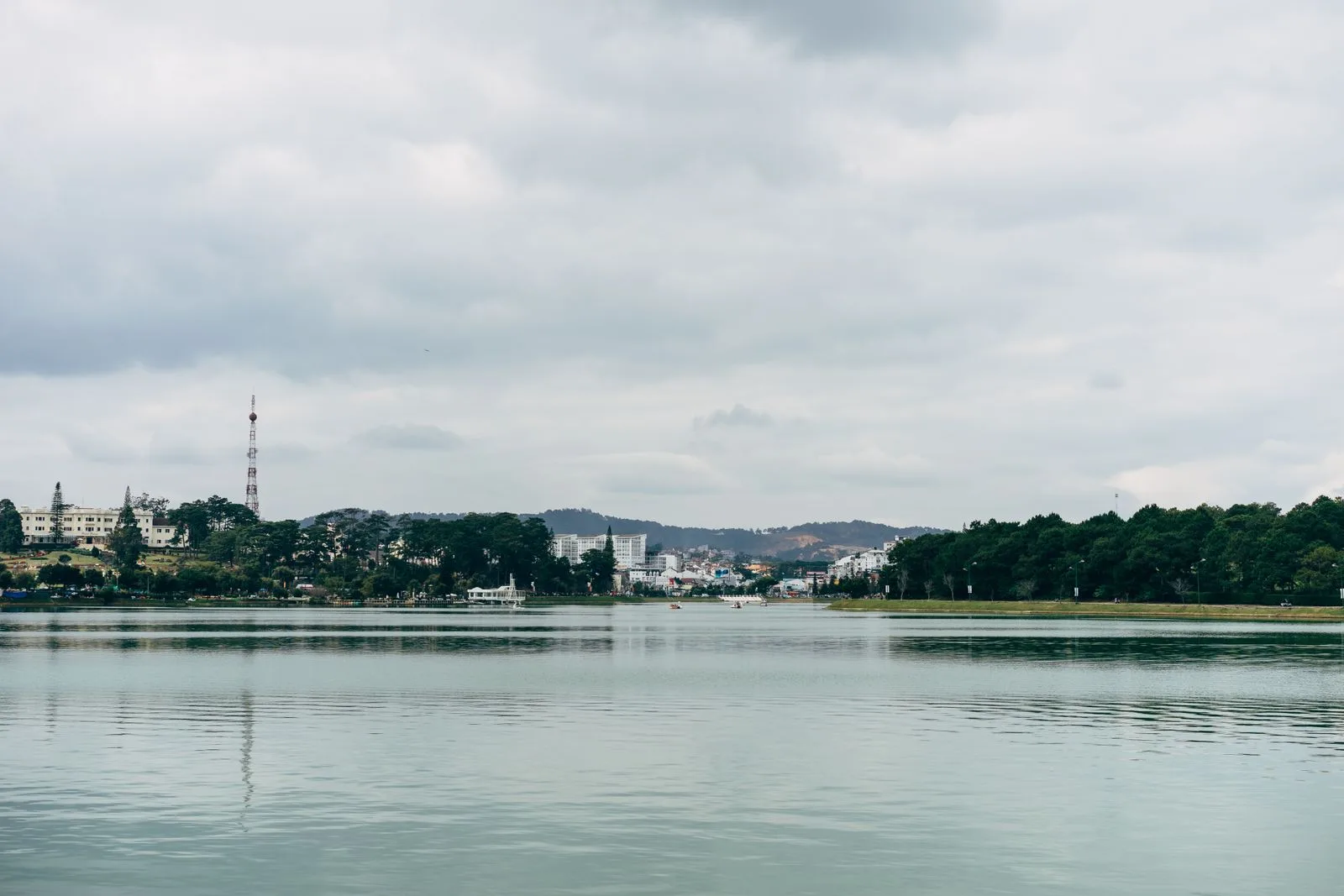
Start where the town does — Xuan Huong Lake, the man-made lake curling through the centre. It’s the easy morning walk that sets the pace for everything else: swan pedal-boats, cafes on the bank and a skyline that includes a slim tower styled to echo the Eiffel, which is part of why locals call Da Lat “Le Petit Paris”.
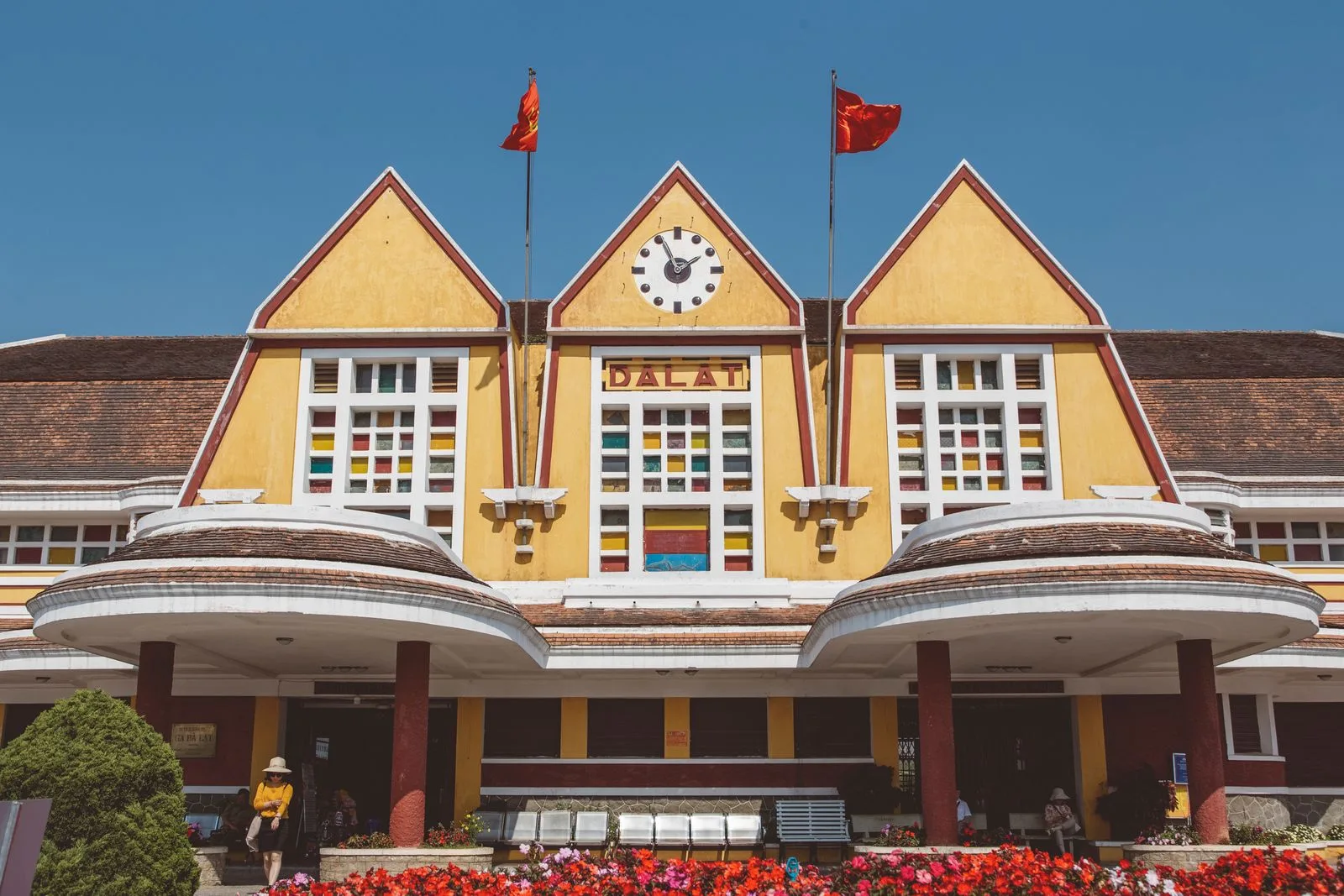
The old railway station is a short ride away and worth it just to stand in front of that art-deco facade. From here a short heritage tourist train trundles out to Trai Mat and the mosaic-covered Linh Phuoc Pagoda — a gentle, scenic outing rather than a serious rail journey.
For something stranger, the Crazy House (officially the Hang Nga guesthouse) is a real, walkable piece of architecture — a fairy-tale tangle of concrete designed by Vietnamese architect Dang Viet Nga, who studied in Moscow before building this. Then head for water: Datanla Falls is closest to town, while Elephant Falls and the broad, seven-tier Pongour Falls sit further out and pair well with a farm drive.
If you want a proper stretch of the legs, Langbiang mountain rises north of the city, with panoramic views over the plateau for those who make the climb.
Ideal pacing: Day 1 — Xuan Huong Lake, railway station and heritage train, coffee in town · Day 2 — Datanla Falls, Crazy House and a flower/vegetable farm loop · Day 3 (optional) — Langbiang or the further waterfalls at Elephant and Pongour.
A little history: the French mountain retreat
Da Lat exists largely because the French wanted somewhere cool to escape the coastal heat. In 1893 the doctor and explorer Alexandre Yersin reached the Lang Biang plateau and reported back on its bracing climate; within a couple of decades a hill station had taken shape, and Da Lat was formally established as a town in 1916.
That origin still shapes the place. You’ll see villas with steep European roofs, tree-lined avenues and the sort of café-society ease that feels a world away from Ho Chi Minh City. Xuan Huong Lake itself is part of that engineered charm — the first dam went in around 1919, and the lake as it looks today was created in the 1930s.
When is the best time to visit Da Lat?
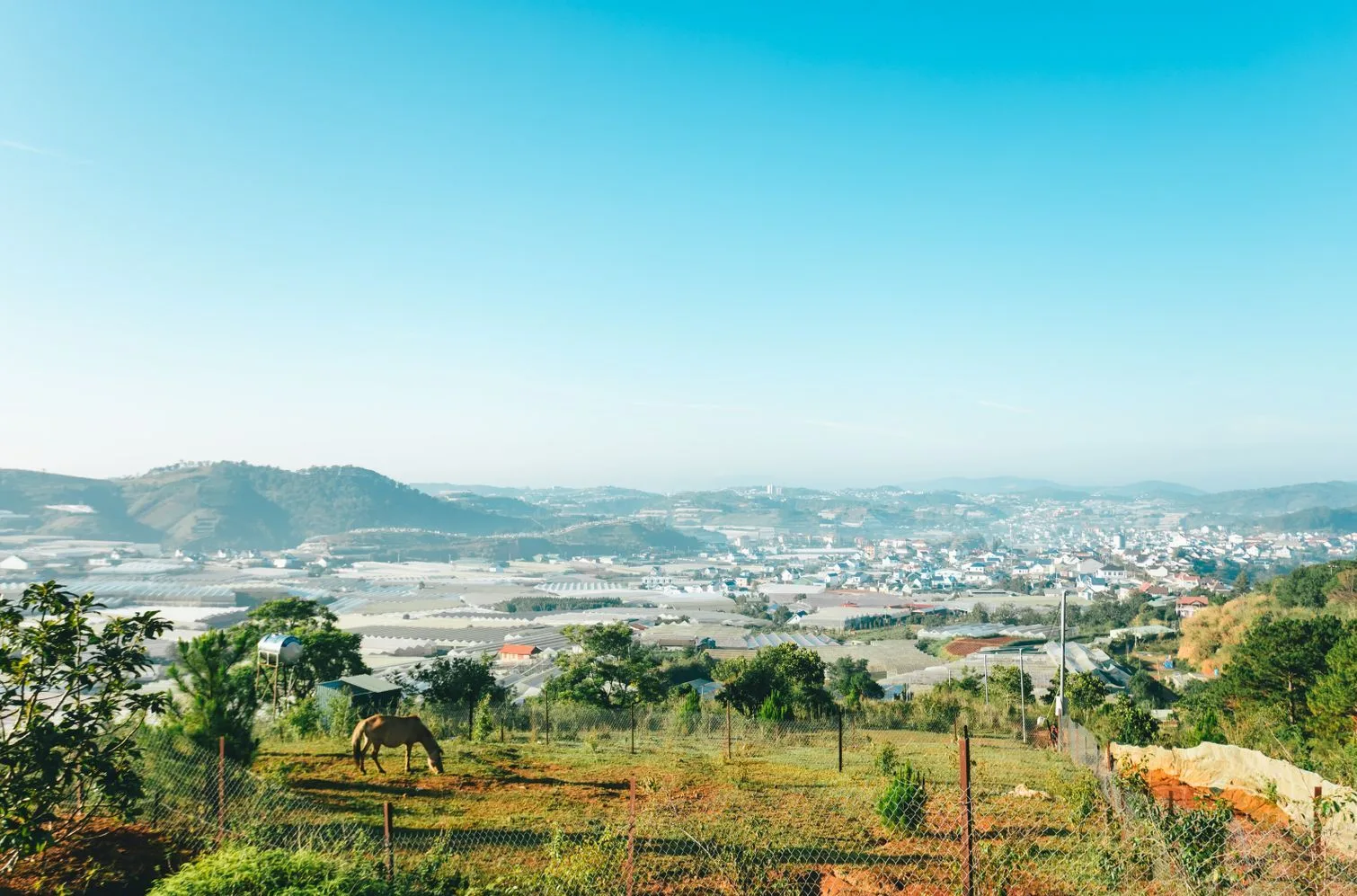
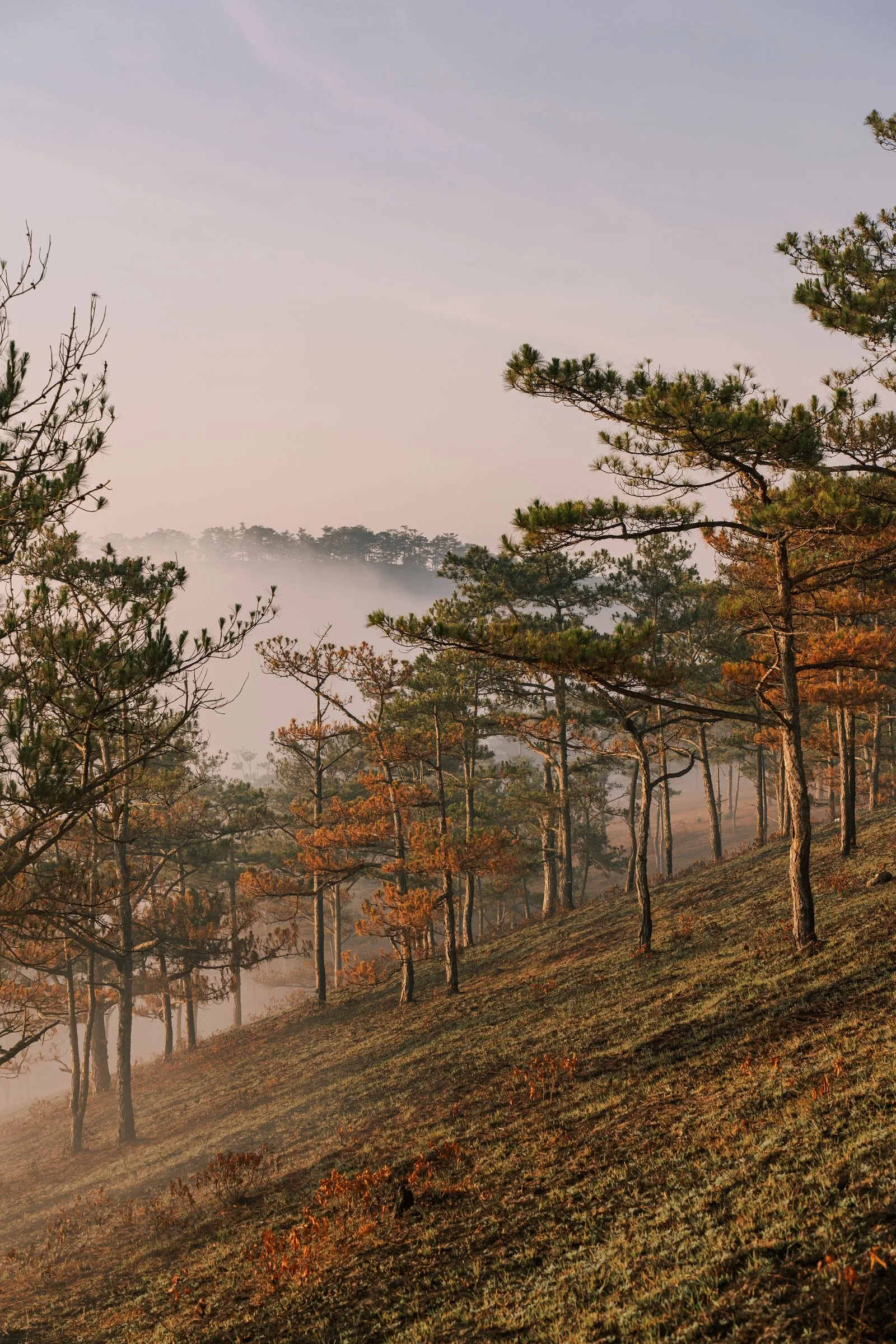
Da Lat’s headline act is its weather. Up at altitude, it stays spring-like all year, with average temperatures roughly in the 15–24°C range — which is exactly why it earned the nickname “City of Eternal Spring”. After steamy Sydney-to-Saigon arrivals, that cool air is a genuine relief, so bring layers rather than leaving your jumper at home.
The year splits into a dry season, roughly November to April, and a wetter southwest-monsoon season from around May to October. For clear skies and comfortable days out, the dry months are the sweet spot — December to March tend to be crispest of all.
| Season | Weather | Good for | Crowds |
|---|---|---|---|
| Dry, cool (Nov–Feb) | Clear, crisp days, cool mornings, little rain | Sightseeing, waterfalls, the biennial December Flower Festival | Busier, especially around Tet |
| Dry, warmer (Mar–Apr) | Mild and mostly dry, gardens in bloom | Flower gardens, farm visits, easy walking | Moderate |
| Wet season (May–Oct) | Afternoon downpours, lush and green, still cool | Green scenery, fewer visitors, coffee-house days | Quieter |
Planning Da Lat as part of a bigger loop? It slots neatly into a wider trip — see our 10-day Vietnam tour ideas to pair the highlands with the coast and the cities.
People, culture & etiquette in Da Lat
Life in Da Lat runs at a slower pace than the big cities. Mornings begin early around the lake and the markets; evenings are for strolling, and the cool air means locals dress warmly — you’ll see puffer jackets and woolly hats that would look odd anywhere else in southern Vietnam.
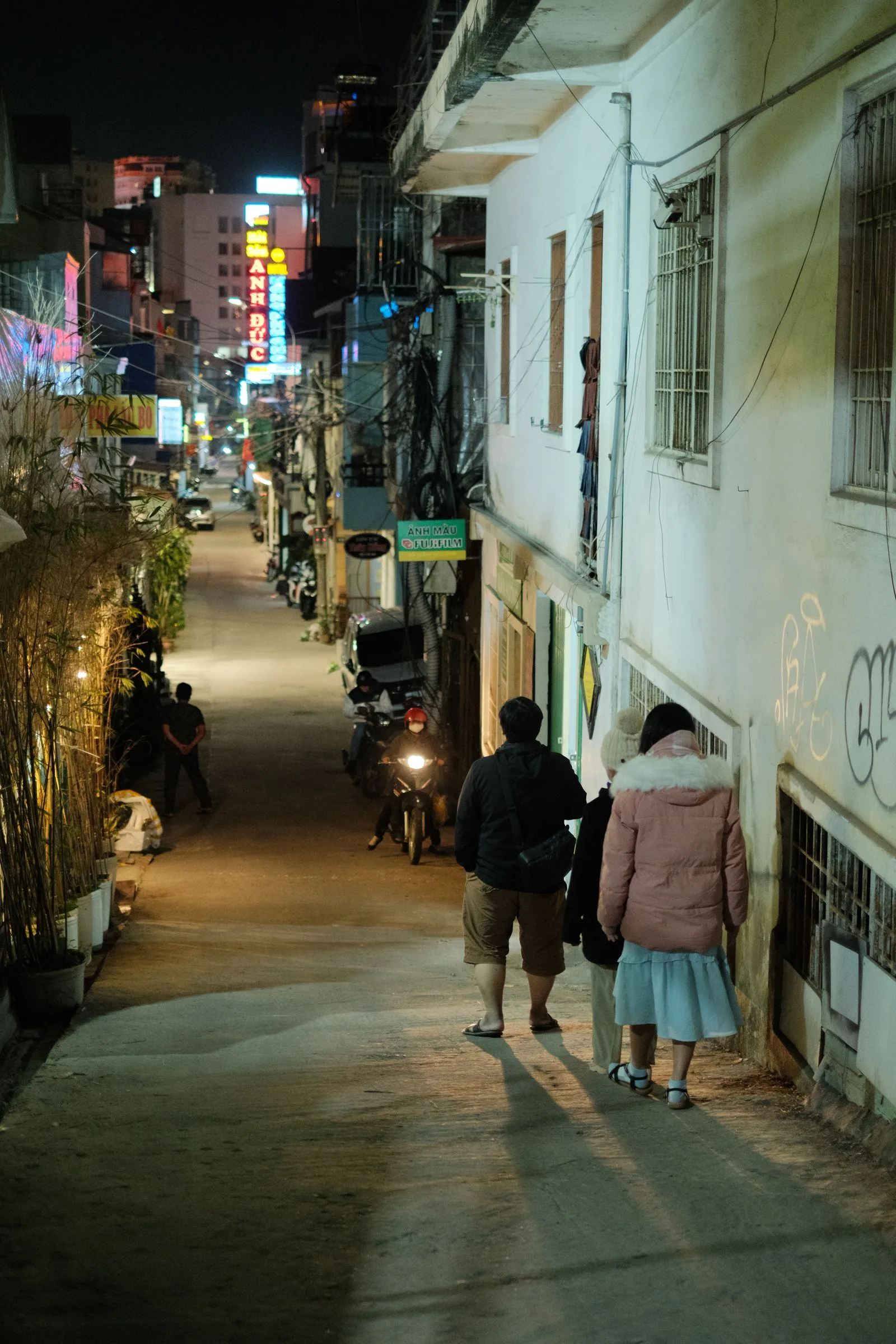
The night market is the social heart after dark — grilled snacks, hot soy milk and stalls selling the strawberries and jams the region grows. As elsewhere in Vietnam, a little courtesy goes a long way: dress modestly at pagodas and temples, remove your shoes where asked, and ask before photographing people up close.
What food should you try in Da Lat?
Cool weather food is Da Lat’s comfort zone. Warm up with a bowl of local hotpot, snack on banh trang nuong (the grilled rice-paper “Da Lat pizza”), and work through the market’s strawberries, artichoke tea and avocado ice cream. This is also serious coffee country — the surrounding Lam Dong highlands are a major growing region, and Da Lat is one of the places you’ll be offered ca phe chon (weasel coffee) done properly.
For the best hole-in-the-wall spots and a farm-to-cup coffee tasting, ask your My Viva Tour guide — they know which stalls and roasters are worth your time.
Da Lat travel guide: know before you go
- Best time: November–April for clear, dry days; December–March is crispest.
- What to wear: Layers and a light jacket — mornings and evenings are cool year-round, with rain likely May–October.
- Getting around: The town centre is walkable; taxis, ride-hailing and hired cars cover the waterfalls and farms further out.
- Getting there: Lien Khuong Airport lies south of the city, with road links from Ho Chi Minh City and Nha Trang.
- Etiquette: Dress modestly at pagodas, remove shoes where indicated, and ask before close-up photos of people.
Da Lat also makes a lovely add-on to a southern circuit — browse our southern Vietnam tour, or, because the town is such a favourite with couples, our Vietnam honeymoon itinerary.
Da Lat travel guide FAQs
Is Da Lat worth visiting?
Yes — especially if you want a change from Vietnam’s heat and beaches. Its cool climate, pine hills, lakes, waterfalls and French-era charm make it one of the country’s most distinctive stops, and a favourite for couples and families alike.
How many days do you need in Da Lat?
Two to three days is a comfortable amount. That’s enough for the lake and town on day one, waterfalls and farms on day two, and an optional third day for Langbiang or the further falls.
When is the best time to visit Da Lat?
The dry season, roughly November to April, is best, with December to March offering the clearest skies. The wet season (May–October) is greener and quieter but brings afternoon rain.
What is Da Lat known for?
Its cool, spring-like weather, pine forests and lakes, flower and vegetable farms, high-quality coffee (including weasel coffee), and French hill-station architecture that earned it the nickname “Le Petit Paris”.
Is Da Lat cold?
It’s cool rather than cold — average temperatures sit around 15–24°C thanks to its 1,500-metre altitude. Mornings and evenings can feel chilly, so a light jacket is worth packing whatever the month.
Why Da Lat stays with me
What I keep coming back for is the pacing. Da Lat is the one place in Vietnam where I stop rushing — the cool mornings almost force it. I love that first walk around the lake before the pedal-boats are out, then a slow coffee while the mist burns off the pine hills. If you’ve read our spring escape to Da Lat, you’ll know the flowers are the excuse; the real gift is being allowed to slow down. Have you found your own favourite corner of Da Lat? I’d love to hear where you’d send a first-timer.
See Da Lat with My Viva Tour
Ready to swap the heat for pine air and good coffee? Browse everything on our Da Lat destination page, and talk to My Viva Tour about weaving it into a wider Vietnam journey at the pace that suits you.
Travel notes fact-checked: July 2026.