Bangkok Travel Guide: Temples, Street Food and When to Visit
Last updated: June 25, 2026
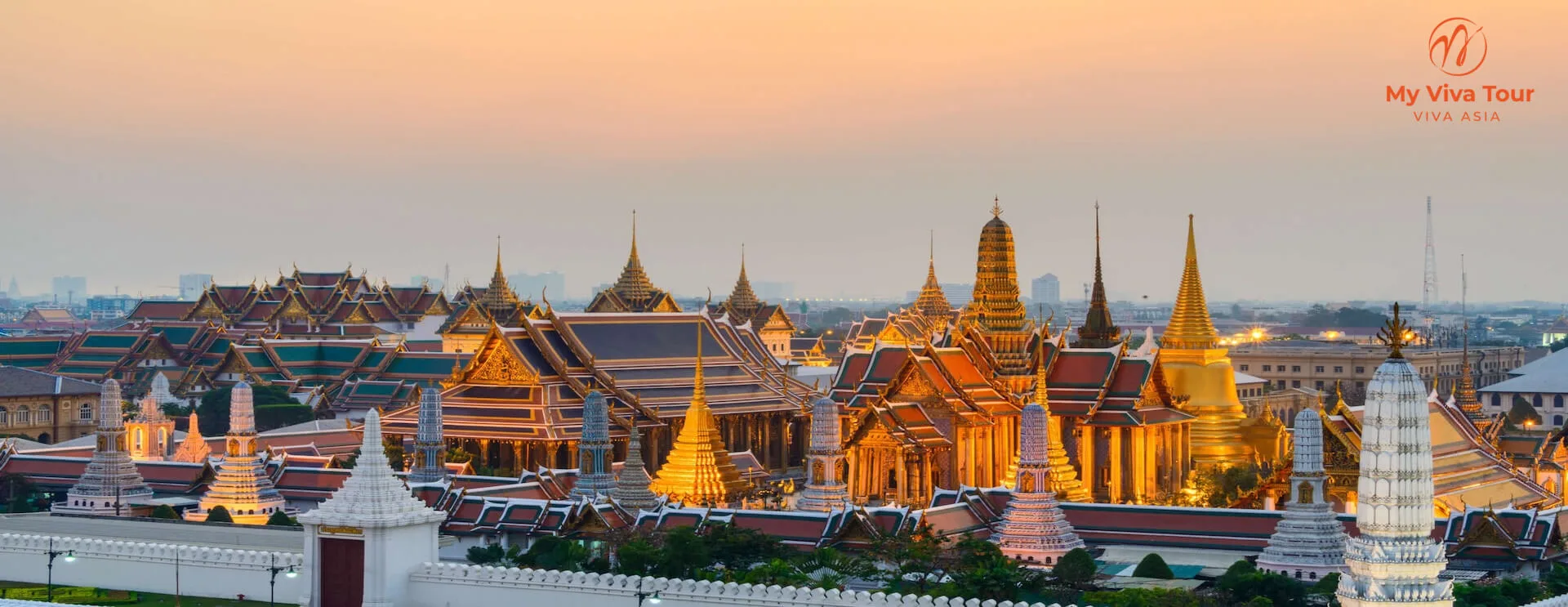
Welcome to our Bangkok travel guide — a gentle, practical introduction to Thailand’s big, golden capital, written to help you feel at home from the moment you land. Bangkok can seem like a lot at first: glittering temples, busy markets, tuk-tuks and the warm smell of street food everywhere. Take it slowly, though, and the city is wonderfully welcoming — and easier to enjoy than it looks.
Quick answer: Bangkok is best for travellers who want temples, markets, river life and a friendly first taste of Thailand. The best time to visit is the cool, dry season from about November to February. First-time visitors should make room for the Grand Palace and Wat Arun, a Chao Phraya river boat, a market or two, and at least one relaxed street-food meal.
- Country: Thailand (the capital, on the Chao Phraya River)
- Best time: November to February for cooler, drier days
- Known for: temples, markets, canals, river life and food
- Good for: first-time Thailand travellers, culture and food lovers, easy city breaks
In this guide: Things to do · Markets & day trips · Best time · Food · Tips · FAQs
What are the best things to do in Bangkok?
Begin where the city began, by the river. The Grand Palace and its Wat Phra Kaew (Temple of the Emerald Buddha) are a dazzling complex of gold and glass mosaic, and a short walk away Wat Pho holds an enormous reclining Buddha finished in gold leaf. Across the water, Wat Arun, the Temple of Dawn, catches the light beautifully at sunrise and sunset.
One of the loveliest, and coolest, ways to see the city is from the water itself — hop on a Chao Phraya river boat and let the breeze do the work as temples and old shophouses slide past. It’s calm, scenic and a gentle break from the busy streets.
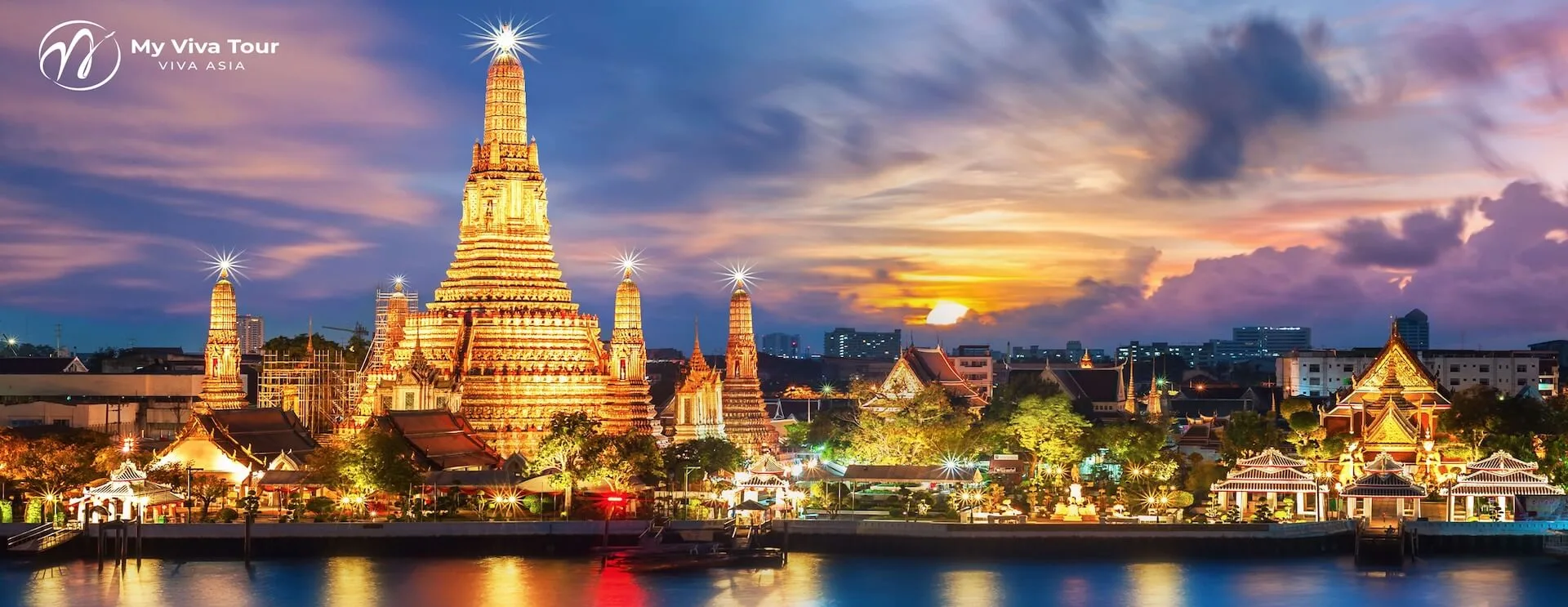
Markets, canals and a famous day trip
Bangkok is a city of markets. The vast Chatuchak Weekend Market is a treasure hunt of food, crafts and clothes — go early, before the heat builds. For something more peaceful, a canal (khlong) boat trip drifts past stilt houses and quiet temples away from the traffic.
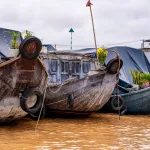
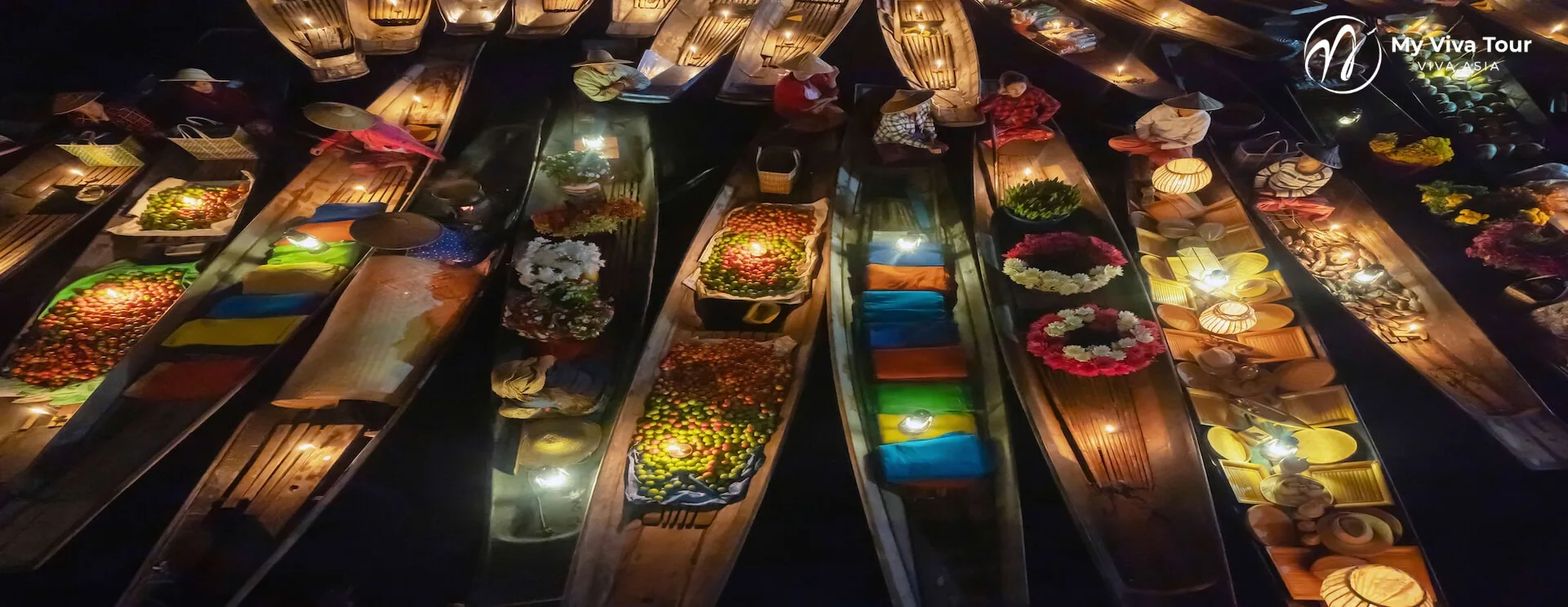
The classic excursion is the Damnoen Saduak floating market, about an hour and a half from the city, where vendors paddle boats piled with fruit and hot food — go early to see it at its best. If you love history, set aside a day for Ayutthaya, the ruined former capital to the north, with its temple spires and the famous Buddha head wrapped in tree roots.
A little history: a capital born in 1782
Bangkok is younger than it looks. In 1782, King Rama I — founder of the Chakri dynasty that still reigns today — moved the capital across the river and built a new royal city on the east bank, using bricks carried down from the ruins of Ayutthaya. By 1784 the Grand Palace was complete and the revered Emerald Buddha had a new home.
That old walled core is still called Rattanakosin, where most of the famous temples sit. A charming detail: Bangkok’s full ceremonial Thai name runs to 168 letters and is the longest place name in the world — locals simply call the city Krung Thep, “city of angels”.
When is the best time to visit Bangkok?
Bangkok has three broad seasons. The cool, dry season (November–February) is the most comfortable and the loveliest time to explore. The hot season (March–May) is genuinely fierce, with April the warmest. The rainy season (June–October) brings short, heavy downpours, thinner crowds and lower prices.
Comfort tip: Bangkok is hot and humid year-round, so be kind to yourself — sightsee in the cooler morning and late afternoon, rest or take a river boat in the midday heat, and carry water. You’ll enjoy the city far more at a gentle pace.
For Australian travellers, the cool season lines up nicely with our summer holidays. Time it well and you might catch Songkran in mid-April (the joyful Thai New Year water festival) or Loy Krathong in November, when candlelit floats drift along the canals.
People, culture and etiquette in Bangkok
Thailand is mostly Theravada Buddhist, and the city’s temples are living places of worship rather than just sights. Dressing modestly — covering your shoulders and knees, slipping off your shoes — is welcomed and easy to do. Greet people with a gentle wai (palms together, a small bow), and always treat images of the Buddha and the Thai royal family with respect.
Day to day, you’ll find Bangkok warm and forgiving of first-timers. A smile goes a long way, and a little patience with the traffic and the heat makes everything more relaxing.
What food should you try in Bangkok?
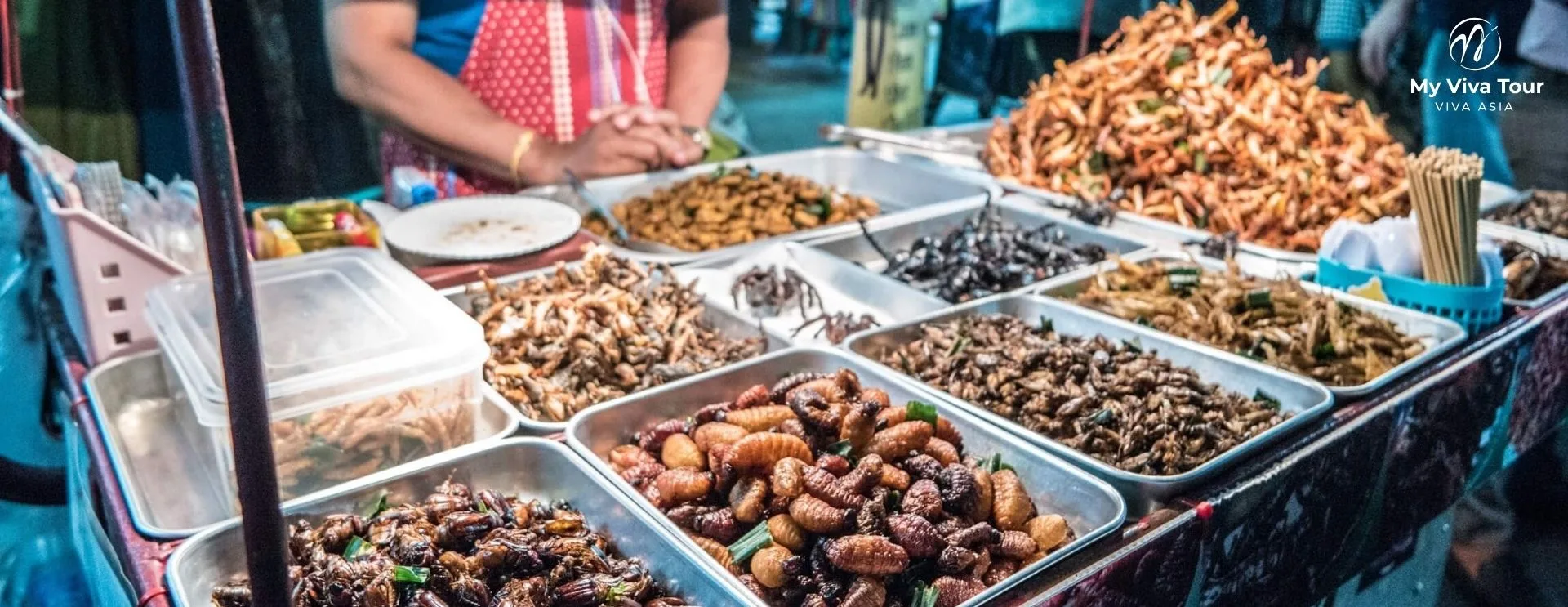
Eating well in Bangkok is one of life’s easy pleasures. Start with the classics: pad thai from the wok, tom yum goong (hot-and-sour prawn soup), a fragrant green curry, and mango sticky rice for dessert. For the full experience, wander Yaowarat (Chinatown) after dark, where the street stalls really come alive.
If you’re a little unsure where to start, that’s normal — ask your My Viva Tour guide for the best local spots, and they’ll gently steer you to the stalls worth trying. Just remember to drink bottled or boiled water rather than tap.
Bangkok travel guide: know before you go
- Best time to visit: November to February for cooler, drier, comfortable days.
- What to wear: light, breathable clothes, plus something to cover shoulders and knees for temples; slip-on shoes are handy.
- Getting around: the BTS Skytrain and MRT metro are cool, quick and beat the traffic; river ferries are scenic; for taxis, ask for the meter or use a ride app.
- Etiquette: a smile and a wai go a long way; never touch someone’s head or point your feet at people or Buddha images.
- Stay comfortable: pace yourself in the heat, carry water, and keep small notes handy for markets and street food.
Bangkok travel guide FAQs
Is Bangkok worth visiting?
Absolutely. It’s a warm, friendly introduction to Thailand, full of temples, markets and wonderful food, and an easy place to begin or end a longer trip.
How many days do you need in Bangkok?
Three to four days is comfortable: time for the main temples, a market, a river trip and a day excursion, without rushing.
When is the best time to visit Bangkok?
The cool, dry season from November to February is the most pleasant. March to May is very hot, and June to October is rainier but quieter and cheaper.
What should you wear at Bangkok’s temples?
Cover your shoulders and knees, and wear shoes you can slip off easily. Light, breathable fabrics keep you comfortable in the heat.
What food is Bangkok known for?
Street-food classics like pad thai, tom yum goong, green curry and mango sticky rice — best enjoyed around Chinatown (Yaowarat) and the city’s markets.
See Bangkok with My Viva Tour
Bangkok is a gentle, rewarding place to start a Thailand adventure, and easy to fold into a longer journey. If you’d like the temples, markets and food taken care of, these My Viva Tour itineraries begin in the capital:
- Explore the Capital – 4 Days — a relaxed short break in and around Bangkok.
- A Week in Thailand – 7 Days — Bangkok plus the highlights beyond the city.
- Browse more on our Bangkok destination page, or head south with our Phuket travel guide.
Ready when you are — get in touch with My Viva Tour and we’ll help you plan a Bangkok trip that feels relaxed and right for you.
Travel notes fact-checked: June 2026.