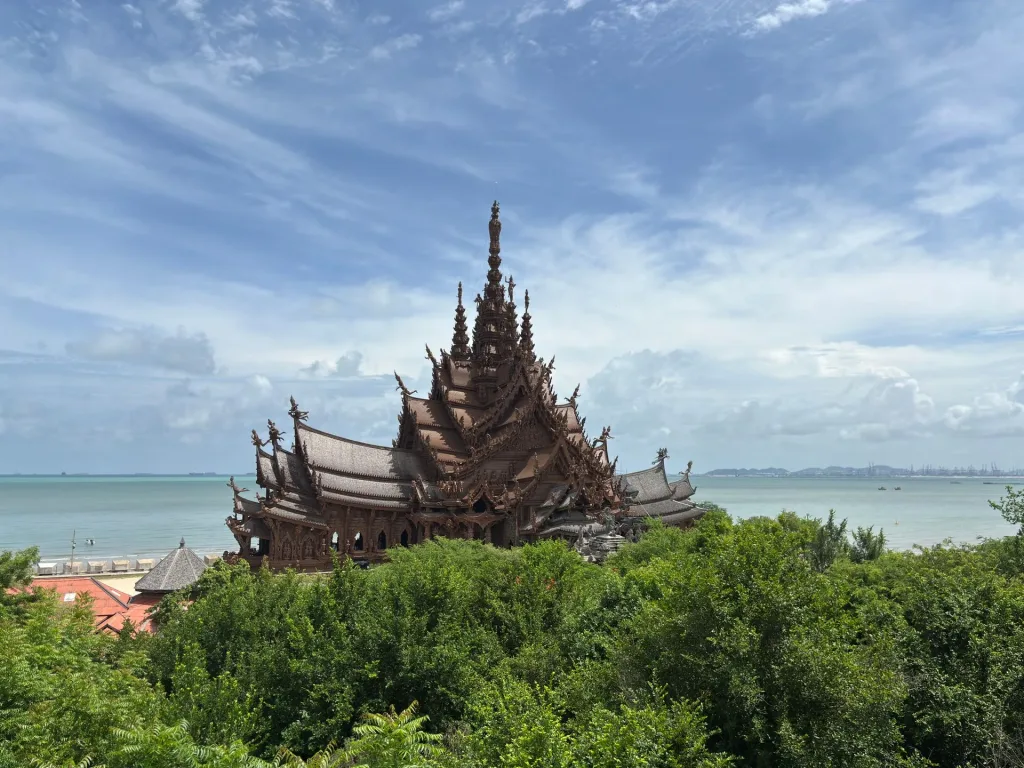
Hua Hin Travel Guide: Beaches, Royal History, Food and the Best Time to Go
Last updated: November 7, 2026

This Hua Hin travel guide is for the traveller who wants a Thai beach town that feels easy and grown-up: a long sandy beach, seafood on the pier, night markets and a royal history you can still see in the buildings. It sits on the Gulf of Thailand a few hours south of Bangkok, so it works well as a calm finish after the big city. It is not a party island, and that is exactly why a lot of our guests like it.
Quick answer: Hua Hin is a relaxed seaside town in Prachuap Khiri Khan province, roughly 200 km south of Bangkok, often called Thailand’s first beach resort. It suits couples, families and slow travellers who want a long beach, good seafood, night markets, royal palaces and easy day trips to Khao Sam Roi Yot National Park. The best time to visit Hua Hin is usually the cooler, drier months from about November to February. Allow three to four days.
- Country: Thailand (Prachuap Khiri Khan province, on the Gulf of Thailand)
- Best time: about November to February for cooler, drier days
- Known for: Hua Hin Beach, the historic railway station, royal palaces, Khao Takiab, night markets, seafood
- Good for: couples, families, golfers, slow travellers, a beach break after Bangkok
- Getting there: a few hours by road or train from Bangkok
In this guide: Things to do · History · Best time · Culture · Food · Tips · FAQs
What are the best things to do in Hua Hin?
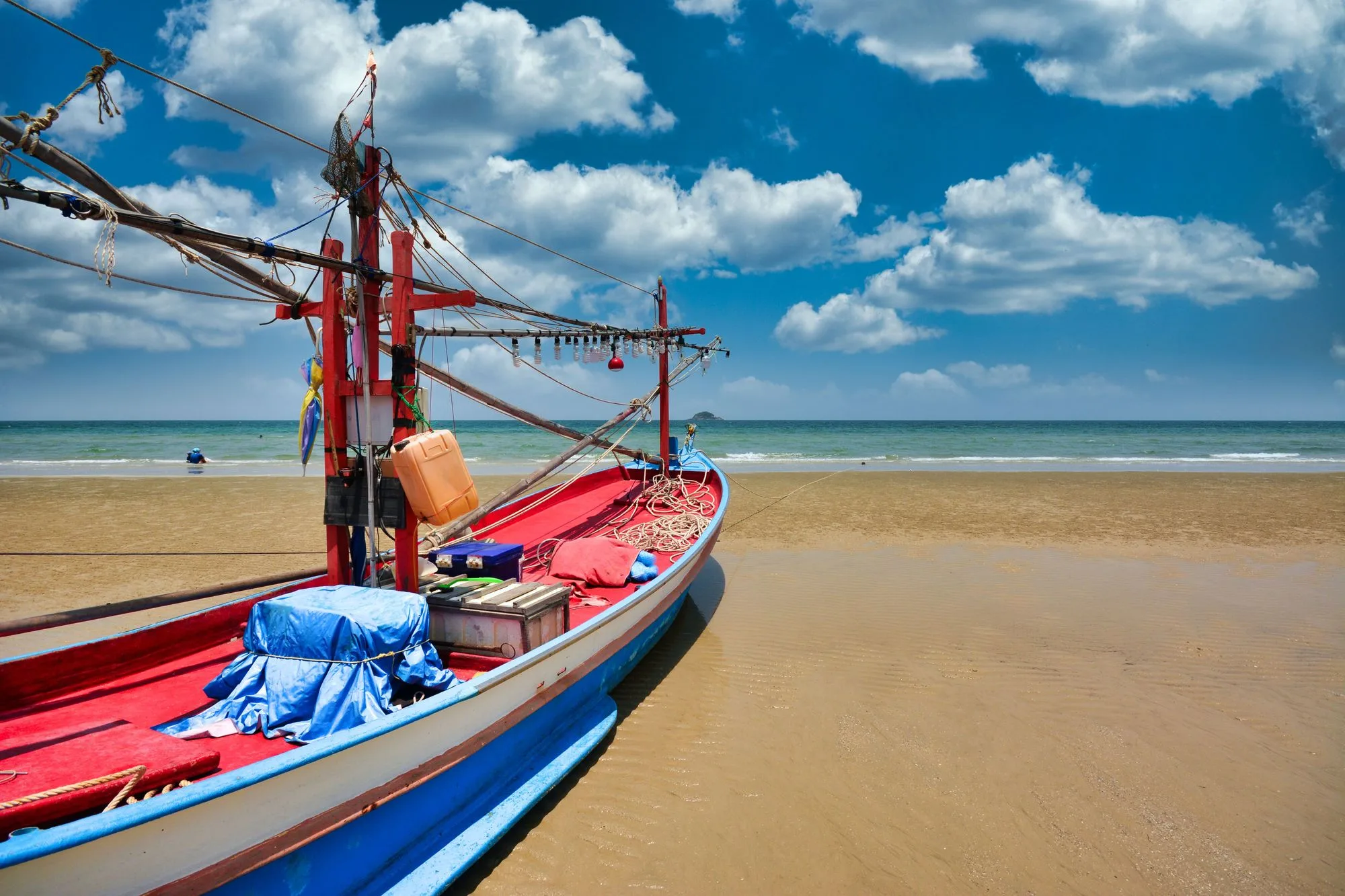
Start on the sand. Hua Hin Beach runs for kilometres south of the town centre, wide and flat, with hotels set back behind the trees. Early morning is the best of it: soft light, locals out walking, and horses led along the waterline for rides. By midday it is hot, so walk first and laze later.
Next, the Hua Hin railway station. It is small, red and cream, and very photogenic, with a royal waiting pavilion that was first built at Sanam Chandra Palace in Nakhon Pathom and moved here in the late 1960s. Trains now stop at a new elevated station next door, opened in December 2023, but the old wooden station has been kept as a heritage site and is free to wander. It takes ten minutes to see, so go even if you came by road.
South of the centre, Khao Takiab (about 6 to 8 km away) is a small coastal hill. A tall standing Buddha at its foot faces the sea, and the temple up top comes with a lot of cheeky monkeys. Keep food and sunglasses out of sight. The view back along the beach is worth the climb.
For royal history, Maruekhathaiyawan Palace is a golden-teak summer palace on stilts by the sea, built for King Rama VI. Its long wooden walkways catch the sea breeze. It opens on limited days only, and parts of it may be closed for restoration, so check before you go. (Klai Kangwon Palace, the royal residence in town, is not open to visitors.)
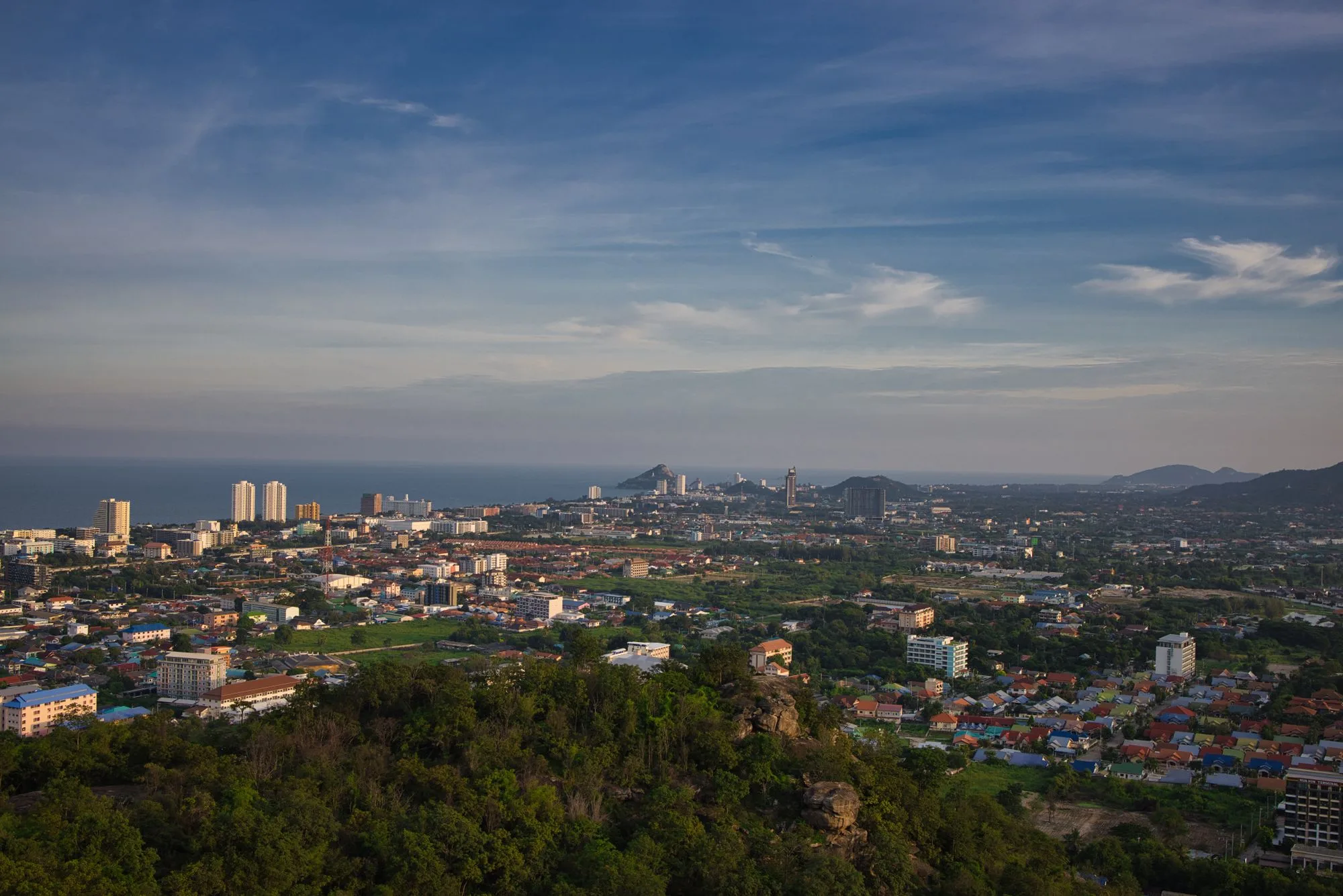
Evenings belong to the markets. The Hua Hin Night Market in the centre runs every evening, with grilled seafood, fruit shakes and souvenir stalls. On weekends, Cicada Market is the more creative option, with local art, handmade gifts, food and live music. Good for families.
The best day trip is Khao Sam Roi Yot National Park, about an hour’s drive south. Its famous sight is Phraya Nakhon Cave, a huge cave with a collapsed roof. Sunlight pours down onto a small royal pavilion, the Kuha Karuhas, built for King Chulalongkorn (Rama V), who visited in 1890. Getting there means two steps: a short boat ride or a walk of about 30 minutes over the headland to Laem Sala beach, then a steep climb of roughly 430 metres up to the cave, which takes 30 to 45 minutes. Wear proper shoes and start early.
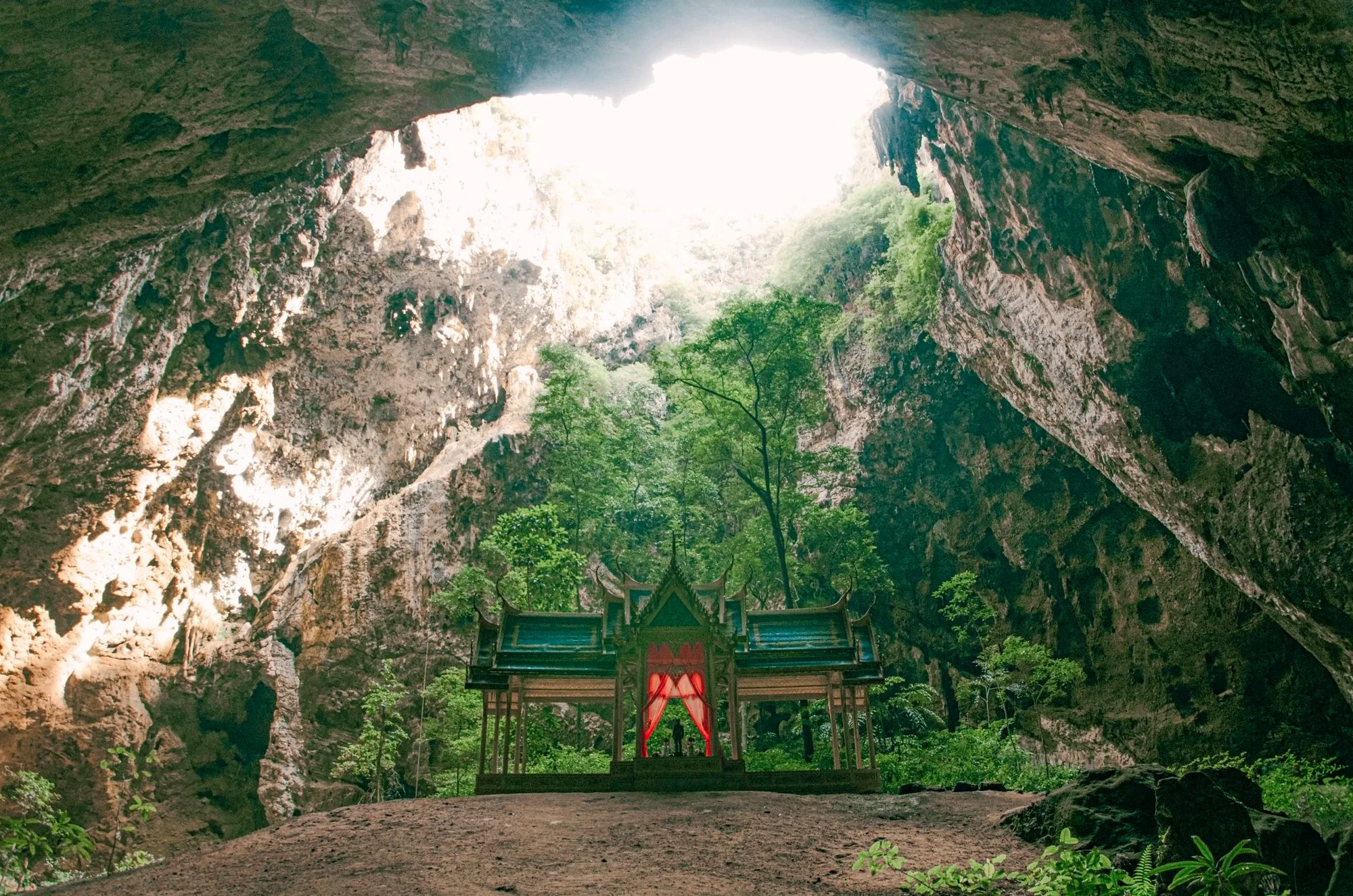
Kevin’s pick: if you only do one thing outside town, make it Phraya Nakhon Cave in the morning. The climb is hard work in the heat, but that shaft of light on the pavilion is the moment guests talk about most. Add a seafood lunch on the way back.
Other easy add-ons: a round of golf (Hua Hin has been a golf town for a century), kitesurfing in the windy season from about November to April, and, for families, the big Vana Nava water park. Inland, Kaeng Krachan National Park has forest and waterfalls such as Pala-U, a drive of about an hour and a half west.
A little history: how a fishing village became the royal seaside
Hua Hin was a quiet fishing village for a long time. The name is usually explained as “stone head”, after the rocks on the beach. Things changed when the Southern railway line reached the town in 1911. Suddenly Bangkok was a train ride away, and Hua Hin became what is often called Thailand’s first beach resort.
Royals already had seaside villas here in the 1910s, and well-off Bangkok families came too. The Railway Hotel opened in 1923 (it is now the Centara Grand Beach Resort & Villas Hua Hin), and the town built Thailand’s first international-standard golf course, the Royal Hua Hin, which opened in 1924. King Rama VI built Maruekhathaiyawan Palace on the beach in the 1920s. King Rama VII then built Klai Kangwon Palace, whose name means “Far from Worries”. It is still a working royal residence, and the late King Bhumibol (Rama IX) spent long periods there in his later years. That royal link is why Hua Hin still feels a little more polished, and a little more proper, than other Thai beach towns.
When is the best time to visit Hua Hin?
Hua Hin is drier than many parts of Thailand, which helps. The sweet spot is about November to February, when the air is cooler, the sky is clearer and December to February are the driest months. From March to May it gets properly hot, so plan beach time for early morning and late afternoon. The rains build from around May, and October is usually the wettest month.
| Season | Weather | Good for | Crowds |
|---|---|---|---|
| Cool, dry (Nov–Feb) | Warm days, cooler nights, the least rain from Dec to Feb | Beach days, walking, Phraya Nakhon Cave, golf | Busiest, especially over Christmas and New Year |
| Hot (Mar–May) | Hot and humid; the hottest weeks are usually in April | Early swims, kitesurfing, mango season | Moderate |
| Rainy (about Jun–Oct) | Showers and storms; October is usually the wettest month | Lower prices, green national parks | Quieter, except Thai holiday weekends |
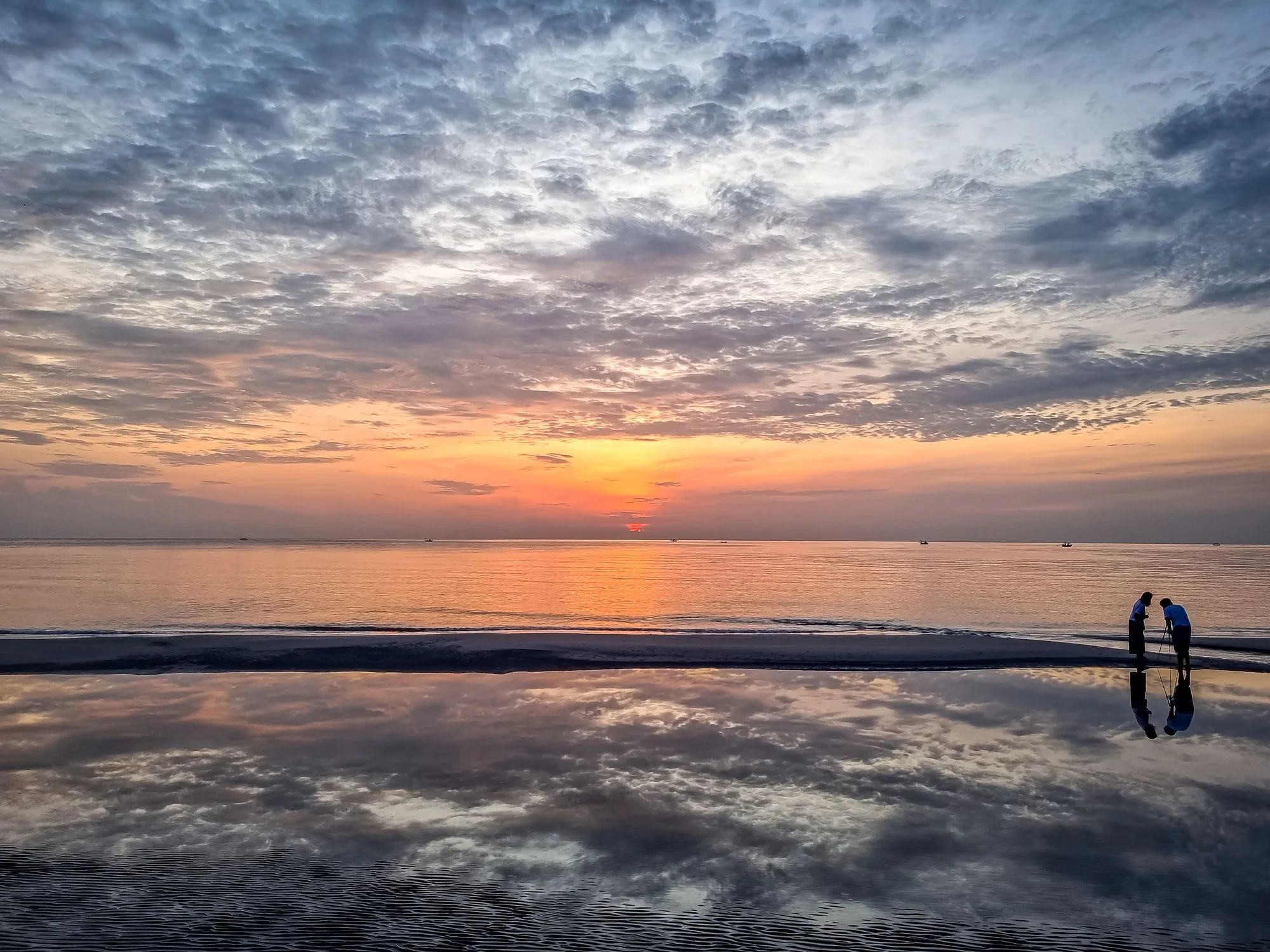
Thinking of pairing Hua Hin with Bangkok? Ask My Viva Tour to plan it and we will time the beach days around the weather.
People, culture and etiquette in Hua Hin
Hua Hin mixes fishing families, Bangkok weekenders and many long-stay foreigners. It is friendly and unhurried. English is common in hotels and restaurants, and a polite sawasdee goes a long way.
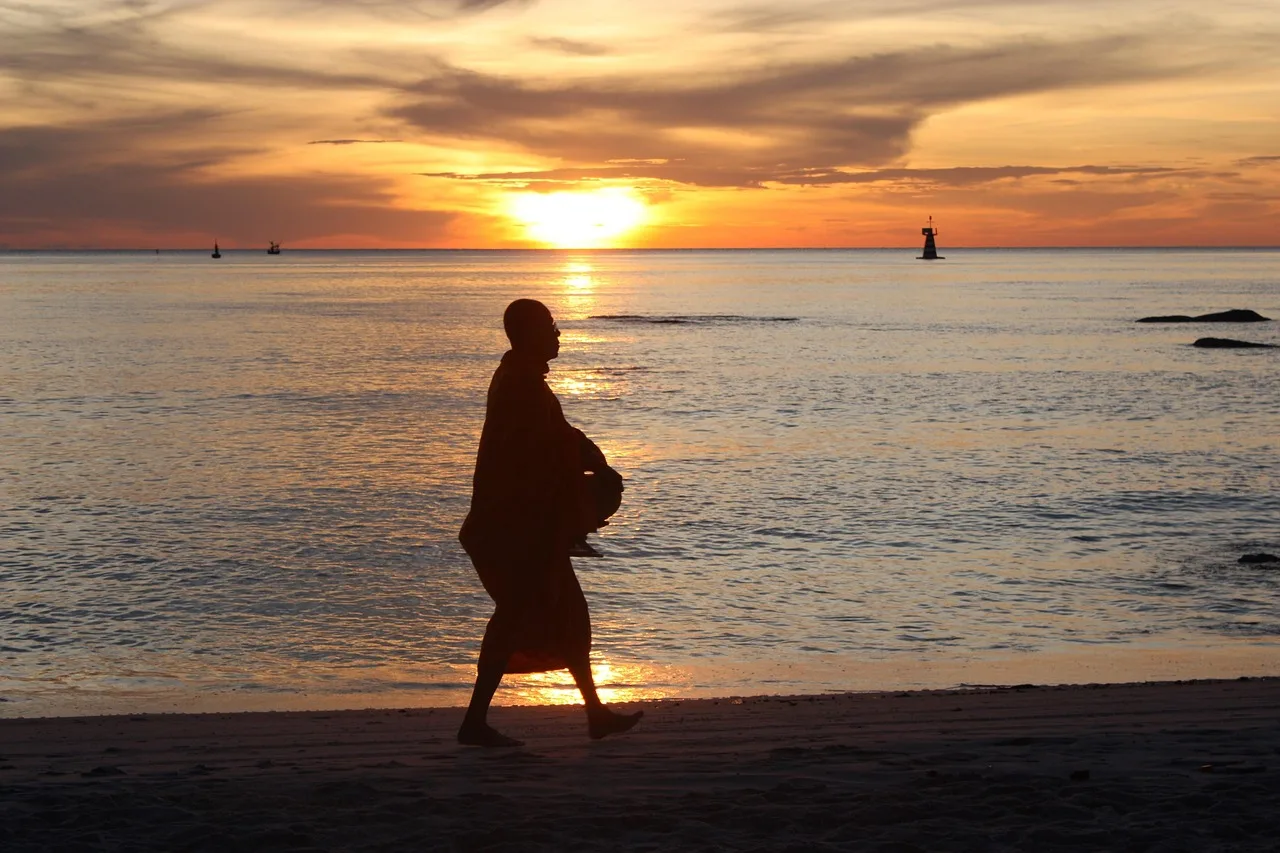
Most Thais are Theravada Buddhist. Early in the morning you may see monks walking through town or along the beach collecting alms. If you would like to give alms, ask your guide how to do it respectfully, and never touch a monk if you are a woman. At temples, cover your shoulders and knees and take your shoes off before going inside.
The monarchy matters here more than almost anywhere in Thailand. Treat royal images, palaces and the national anthem with respect. Thailand has strict laws against insulting the monarchy, so keep opinions about the royal family to yourself.
What food should you try in Hua Hin?
Seafood is the reason to come hungry. Hua Hin is known for fresh seafood, and the restaurants on stilts by the old fishing pier are a local favourite at sunset. The night market is the cheaper, louder option. Ask your My Viva Tour guide which pier restaurant is having a good night.
- Grilled squid — sold fresh off the grill at the night market. Ask your My Viva Tour guide for the busiest stall.
- Steamed sea bass with lime (pla kapong neung manao) — sharp, garlicky and chilli-hot. Ask your guide for a local seafood spot.
- Tom yum goong — the classic hot-and-sour prawn soup, made well along this coast.
- Som tam — green papaya salad. Say “mai phet” if you want it mild.
- Mango sticky rice — best in the hot months, when mangoes are in season.
Hua Hin travel guide: know before you go
- Best time: about November to February for cooler, drier days; expect heat from March to May.
- What to wear: light cotton, a hat and reef-safe sunscreen. Pack a light layer for air-conditioning and covered clothes for temples and palaces.
- Getting there: fly into Bangkok, then about 3 hours by road, or 4 to 5 hours by train from Krung Thep Aphiwat station. Hua Hin’s airport has very few flights.
- Getting around: tuk-tuks, songthaews (shared pick-ups), Grab and taxis. Agree the fare before you get in a tuk-tuk.
- Entry: since 15 September 2026, Australian, UK and US passport holders can visit Thailand visa-free for 30 days. All visitors must also fill in the online Thailand Digital Arrival Card (TDAC) within 3 days before arrival. Rules change, so check close to your travel date.
- Money and power: the currency is the baht. Power is 220V with Type A, B, C or O sockets, so bring a universal adaptor.
- Etiquette: respect the royal family, dress modestly at temples, and keep food away from the monkeys at Khao Takiab.
Hua Hin travel guide FAQs
Is Hua Hin worth visiting?
Yes, if you want a calm, comfortable beach town rather than a party island. Hua Hin has a long beach, excellent seafood, night markets, royal history and easy day trips. It is a good fit for couples, families and older travellers.
How many days do you need in Hua Hin?
Three to four days is a good amount. That gives you a beach day, a day for the station, Khao Takiab and the palace, a day trip to Phraya Nakhon Cave, and time for the night markets.
When is the best time to visit Hua Hin?
The best time to visit Hua Hin is usually from about November to February, when it is cooler and drier. March to May is very hot. The rainy season runs from about June to October, and October is usually the wettest month.
How do you get from Bangkok to Hua Hin?
Most travellers go by road, about 3 hours from Bangkok. Trains from Krung Thep Aphiwat station take about 4 to 5 hours. Hua Hin’s own airport has very few flights.
What should you wear at temples and palaces in Hua Hin?
Cover your shoulders and knees, and take off your shoes inside temple buildings. Palaces have dress rules too, so pack long trousers or a long skirt.
Why Hua Hin stays with me
I’ll be honest: Hua Hin is not the most dramatic beach in Thailand. The water is not as clear as the islands, and the town has its share of high-rise hotels. But it is easy. You get off the road from Bangkok, walk onto that long beach, and you can feel your shoulders drop.
What I like most is the mix. In the morning it is fishing boats and people walking their dogs. In the evening it is grilled squid, a cold drink and the night market buzzing. It is a holiday that does not ask much of you, and after a week of Bangkok that is often exactly right.
Over to you: have you been to Hua Hin? Tell me in the comments below. I’m always keen to hear which seafood spot or sunrise walk you’d send the next traveller to.
See Hua Hin with My Viva Tour
Most guests reach Hua Hin from the capital, so start with our Bangkok travel guide. Our Explore the Capital 4-day Bangkok tour does not include Hua Hin as standard, but we can tailor-make a few beach days onto the end of it. Comparing beach towns? Read our Pattaya travel guide and our Koh Samui travel guide. You can also browse every story tagged to the town on our Hua Hin destination page.
Ready to plan it? Send My Viva Tour an enquiry and we will fit Hua Hin into your Thailand trip at an easy pace.
Travel notes fact-checked: November 2026.