Is Vietnam Safe? A First-Timer’s 2026 Guide
Last updated: July 24, 2026
Is Vietnam safe? It is one of the first questions we get from first-time guests from the US, UK and Australia, and the short answer is a reassuring yes — but “safe” is worth unpacking properly rather than waving away. This guide walks through what the official travel advisories actually say, the real risks worth knowing (petty crime, common scams, traffic, food and water, and seasonal storms), and how to travel switched-on rather than worried.
Quick answer: Yes — Vietnam is safe for most travellers. The US State Department rates it Level 1 (“exercise normal precautions”), Australia’s Smartraveller rates it “exercise normal safety precautions,” and the UK Foreign Office reports violent crime against foreigners is rare. The main things to plan around are petty theft, a handful of well-known scams (taxis, currency exchange), Vietnam’s busy but predictable traffic, and tropical storms on the central and northern coasts from roughly September to November. With sensible precautions, most trips are trouble-free.
- US advisory: Level 1, “Exercise normal precautions” (travel.state.gov, 2026)
- Australian advisory: “Exercise normal safety precautions” (Smartraveller)
- UK advisory: violent crime against foreigners rare; petty crime and unlicensed taxis flagged (gov.uk)
- Main risks: pickpocketing, bag-snatching, taxi/currency scams, storm season
- Good for: first-timers, solo travellers, families, with common-sense precautions
In this guide: Petty crime · Common scams · Traffic · Food & water · Solo & female travel · Storm season · FAQs
Is Vietnam safe from petty crime and pickpocketing?
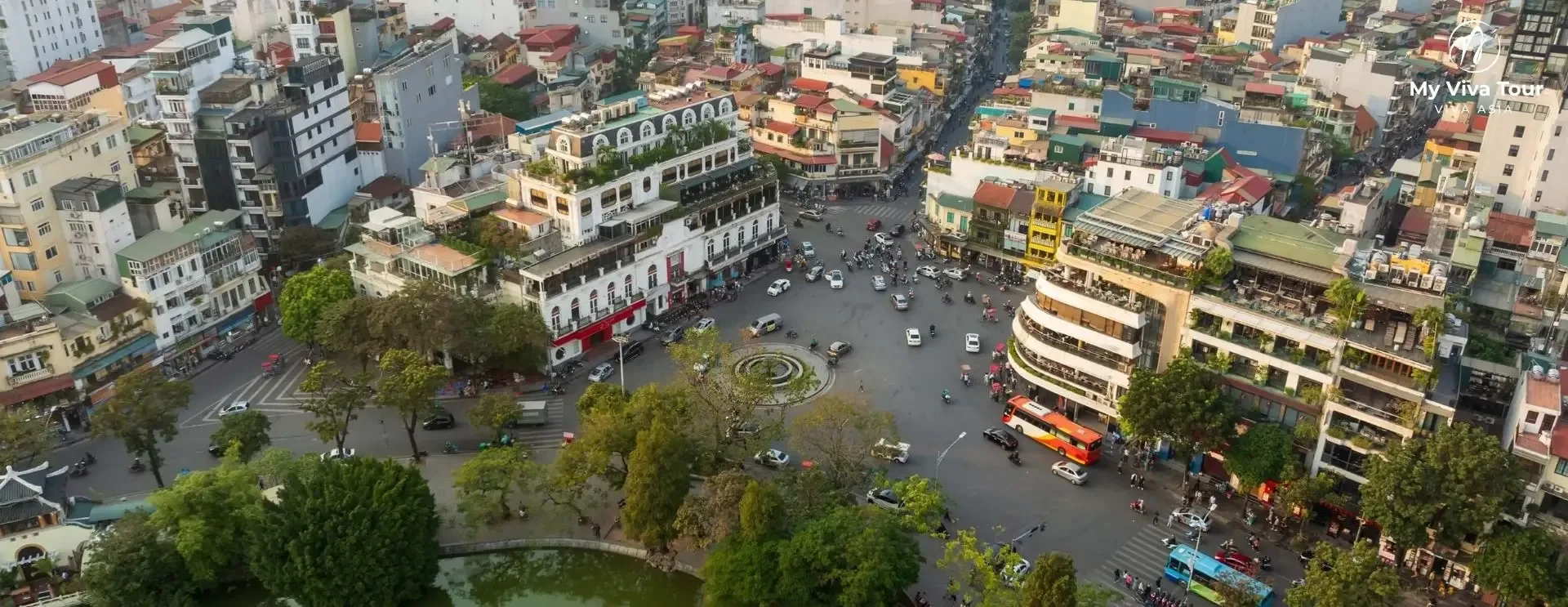
Mostly yes, but petty crime is the risk worth actually planning for. The UK Foreign Office notes that violent crime against foreigners is rare, but theft and pickpocketing happen regularly, with bag-snatchers — often on motorbikes — working crowded tourist areas, markets and busy footpaths. There is also a documented risk of small-item theft on buses and overnight trains, particularly while passengers are asleep. Petty crime typically rises a little around Tet (Lunar New Year) and the year-end holidays, when cities are busiest.
The fix is simple: wear your bag across your body on the side away from the road, don’t leave phones on café tables, and use a hotel safe for your passport and spare cash.
What are the most common scams in Vietnam, and how do you avoid them?
None of these are dangerous, exactly — they are irritations designed to relieve tourists of a bit of cash. Knowing them in advance takes away almost all of their power.
| Scam | How it works | How to avoid it |
|---|---|---|
| Rigged taxi meters | Unofficial cabs run a fast or tampered meter | Use the Grab app, or stick to marked Mai Linh / Vinasun taxis |
| Unlicensed taxis at night | The UK FCDO has flagged reports linked to unlicensed drivers near nightlife areas, especially affecting women travelling alone | Book through Grab or your hotel after dark rather than hailing on the street |
| Currency exchange shortchange | Fewer notes handed back than agreed, or old/damaged notes mixed in | Count cash in front of the teller; use bank counters or ATMs over street changers |
| Market “tourist price” | Goods quoted at several times the local rate | Agree the price before you buy, bargain politely, or shop at fixed-price stores |
| Overly friendly “new friend” | A stranger invites you for tea or food, then an inflated bill appears | Ask the price up front for anything you’re offered, politely decline if it feels off |
This is exactly why most of our guests travel with a private, English-speaking guide and driver rather than figuring it all out solo — someone who already knows the honest taxi options, the fair market price and the safe way home. See how private touring in Vietnam works.
Is it safe to cross the road and get around in Vietnam?
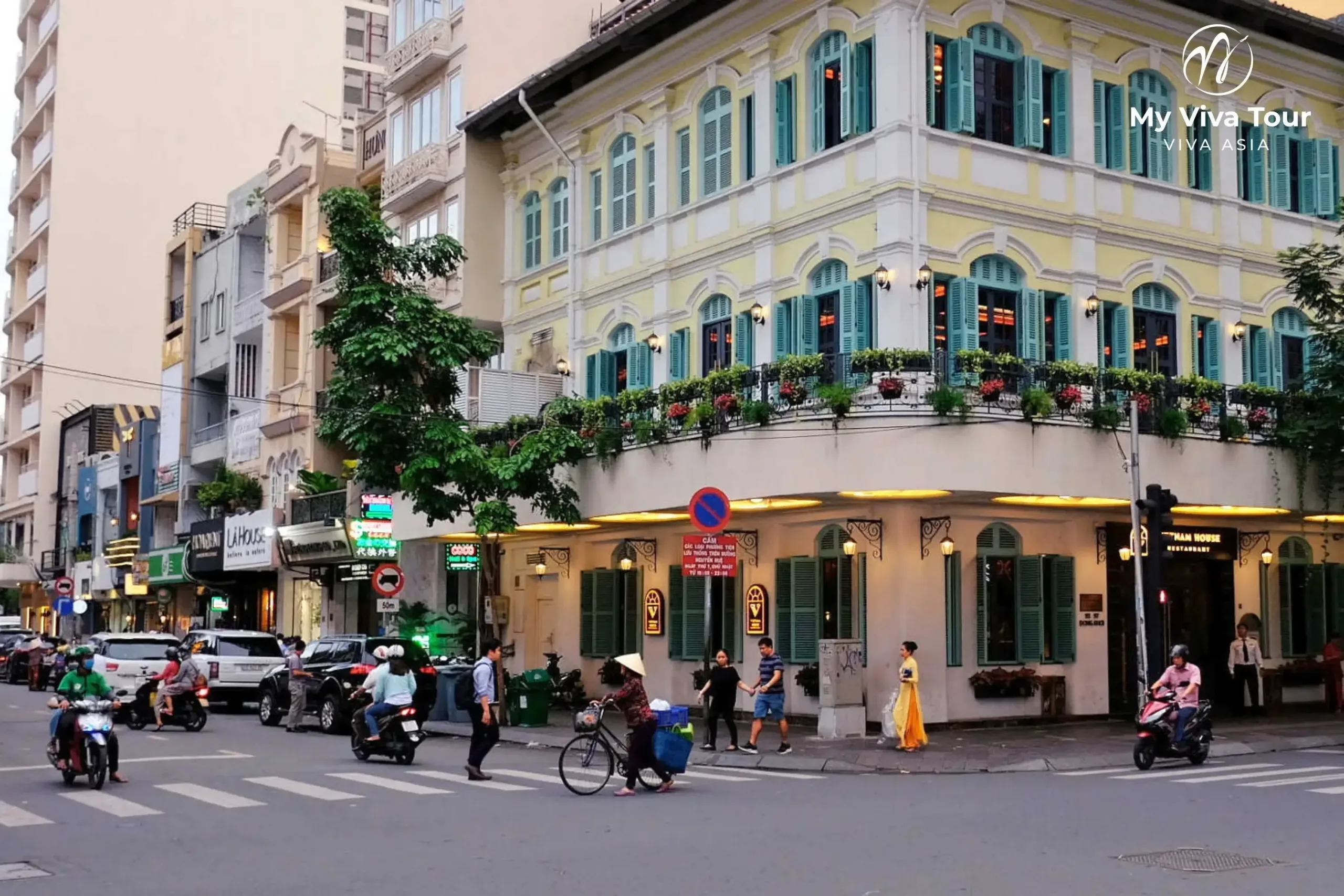
The traffic looks chaotic from the footpath and, in truth, it takes a first-timer a day to adjust. The trick locals use — and one we teach every guest — is to step out at a steady, predictable pace and let the motorbikes flow around you; never stop suddenly or dart back once you’ve committed. Use marked crossings and pedestrian lights where they exist, cross with a local if you can, and treat the road the same way in every city: steady, visible, unhurried.
Is Vietnamese street food and tap water safe?
Street food is one of the best reasons to visit, and it is generally safe if you follow the rule seasoned travellers use across Southeast Asia: eat where the local customer queue is long and the turnover is fast. Tap water is not safe to drink anywhere in Vietnam — stick to bottled or filtered water, and ask for no ice at street stalls if your stomach is sensitive.
Is Vietnam safe for solo and female travellers?
Yes, and solo and female travellers from the US, UK and Australia visit Vietnam confidently every year. The UK Foreign Office has reported cases of harassment and assault linked to unlicensed taxi drivers in tourist areas, so the biggest single precaution is transport: use Grab or a hotel-booked car rather than hailing on the street, especially late at night. Beyond that, the usual habits apply — stick to well-lit, busy streets after dark and dress modestly at temples out of respect.
Is Vietnam safe from typhoons, storms and flooding?
Vietnam’s central and northern coasts sit in the path of the Pacific storm season, which the US State Department places broadly from June to December, with the most intense storms typically September to November. Flash and urban flooding can also occur during the wider monsoon: roughly May to October in the south and Central Highlands, and September to December along the central coast. None of this rules out travel — it simply means timing matters, and it’s easy to plan around once you know it. Our best time to visit Vietnam guide breaks the whole country down month by month so you can route around the wettest windows.
Is Vietnam safe: know before you go
- Save your embassy’s contact details and your travel insurance policy number somewhere offline, not just in an email.
- Photograph your passport and e-visa approval letter and keep a copy separate from the originals.
- Use Grab or a licensed taxi rather than hailing on the street, especially after dark.
- Wear bags across your body, on the side away from passing traffic.
- Count cash before you leave any exchange counter or ATM.
Hera’s detail check: before every departure I run the same five-point check with our guests — passport valid six months past return, e-visa saved offline, insurance certificate saved to your phone, emergency contacts on paper as backup, and your itinerary left with someone at home. Ten minutes, saves a world of stress.
Is Vietnam safe? FAQs
Is Vietnam safe to travel to in 2026?
Yes. The US rates it Level 1 (“exercise normal precautions”), and Smartraveller advises the same. Violent crime against foreigners is rare; the main risks are petty theft and a few well-known scams.
Is Vietnam safe for solo female travellers?
Generally yes, and many women travel Vietnam solo without issue. The UK government advises using licensed transport like Grab rather than hailing taxis on the street, particularly at night, and sticking to well-lit, busy areas after dark.
Can you drink the tap water in Vietnam?
No — tap water isn’t safe to drink anywhere in the country. Stick to bottled or filtered water throughout your trip; it’s cheap and available everywhere.
Is Vietnam safe from typhoons and storms?
Storms mainly affect the central and northern coasts, broadly June to December and most intense September–November. Travelling outside this window, or sticking to the south and Central Highlands during it, avoids most of the risk.
What is the most common scam tourists should know about in Vietnam?
Rigged taxi meters and unlicensed cabs are the most frequently reported. Booking through the Grab app or a marked, reputable taxi company avoids almost all of it.
Why I tell every worried guest the same thing
Almost every guest emails me some version of “is Vietnam really safe?” in the weeks before they fly, and I’ve learned never to brush that worry aside — it’s real, and naming it is half of settling it. I’ve walked these streets with anxious first-timers and seasoned solo travellers alike, and the thing that actually goes wrong is almost never dramatic: a bag left on a café chair, a taxi hailed on impulse at midnight, an ice cube on a delicate stomach. Small, avoidable, human. Sort those few habits out and Vietnam hands you back tenfold in warmth — the neighbour who walks you to the right bus, the stallholder who waves you over for the good bowl of phở. So tell me the one thing keeping you up at night, and I’ll make it the first note on your file when I start planning your trip.
— Huyen (Hera), My Viva Tour
See Vietnam with My Viva Tour
A private, English-speaking guide and driver takes most of the guesswork above off your plate — the right taxi, the fair price, the safest route. Coming from the US? Start with our Vietnam tours from the USA guide, or build your own trip with our Vietnam itinerary planner. Tell us your dates and we’ll send a free, no-obligation private itinerary within 24 hours. Get your free quote.
Travel notes fact-checked: July 2026.