Sapa: Viet Nam’s Majestic Mountain Retreat
Last updated: July 13, 2026
While many visitors to Viet Nam initially think of bustling cities or Vietnam beach resorts, Sapa represents a different allure: tranquil mountains, vibrant hill tribes, and breathtaking landscapes, making it an increasingly popular choice in Vietnam package holidays.
Quick answer: Sapa is a mountain town about 1,500 metres up in the Hoang Lien Son range in Vietnam’s far north, known for terraced rice fields, ethnic minority villages of the Hmong, Red Dao and Tay, and Fansipan, the country’s highest peak at 3,143 metres. The main draws are village treks around Cat Cat, Lao Chai and Ta Van, and reaching Fansipan by trail or cable car. March to May offers clear trekking weather, while September to November turns the terraces golden. Two to three days suits most visitors.
Viet NamVietnam beach resortsSapaVietnam package holidaysVietnam package holidays
Arriving in the Clouds
Arriving in the Clouds
Perched approximately 1,500 metres above sea level in the Hoang Lien Son mountain range, Sapa greets travellers with cool breezes and ethereal views. Historically a hill station established by the French in the early 20th century, today Sapa attracts visitors seeking fresh air, lush mountain scenery, and unique cultural interactions.
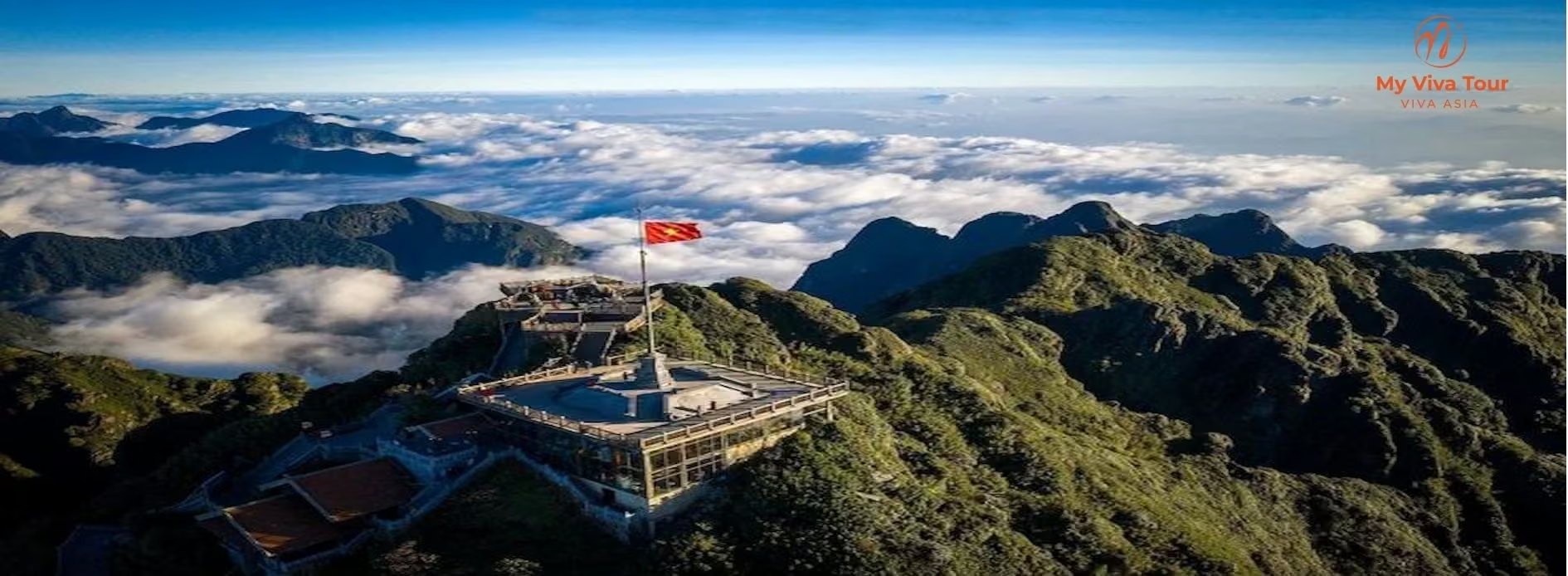
Visitors stepping off the train or bus in early morning are often greeted by a magical mist shrouding the town. By noon, the mist clears, revealing valleys dotted with traditional villages and the imposing peak of Fansipan—known as the “Roof of Indochina” at 3,143 metres.
Exploring the Cultural Heartland
Exploring the Cultural Heartland
Unlike typical Vietnam holidays all inclusive packages focusing on coastal resorts, a trip to Sapa invites cultural immersion. Home to several ethnic minority communities—including the Hmong, Red Dao, and Tay—Sapa offers travellers a rare opportunity to witness traditional ways of life that remain largely unchanged.
Vietnam holidays all inclusive
A trek through the villages of Cat Cat, Lao Chai, and Ta Van brings visitors face-to-face with local life. Vibrantly dressed women craft intricate textiles, children play along winding paths, and rice terraces cascade down mountainsides like works of art. Each village tells its own story, welcoming visitors with warmth and authenticity that few destinations offer.
Fansipan: A Challenge Worth the Climb
Fansipan: A Challenge Worth the Climb
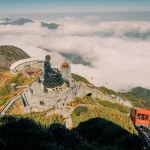
For adventurous souls, Sapa’s Fansipan Mountain presents an irresistible challenge. Whether trekking the demanding trails or ascending comfortably via cable car, travellers are rewarded with panoramic views stretching across Viet Nam‘s mountainous north. The sense of accomplishment atop Fansipan is unforgettable—standing above the clouds, absorbing the vast beauty of the surrounding valleys and peaks.
Sustainable Tourism in Sapa
Sustainable Tourism in Sapa
With growing popularity comes responsibility. Sustainable tourism initiatives are increasingly crucial to preserving Sapa’s natural environment and cultural heritage. Visitors today are encouraged to book through responsible tour operators, ensuring their journey positively impacts local communities.
Many carefully planned itineraries—such as those offered in comprehensive packages like “10 days in Vietnam“—now emphasize sustainability, aiming to protect Sapa’s pristine environment for future generations.
10 days in Vietnam10 days in Vietnam
When to Visit Sapa
When to Visit Sapa
The best time to visit Sapa varies depending on travellers’ interests. March to May offers clear skies, blooming flowers, and ideal trekking conditions. The harvest season (September to November) transforms the rice terraces into stunning gold fields—a photographer’s dream. Winter months can even bring occasional snowfall, creating surreal landscapes uncommon in Southeast Asia.
Sapa: A Memorable Highlight of Any Viet Nam Journey
Sapa: A Memorable Highlight of Any Viet Nam Journey
For travellers building their itineraries, spending 10 days in Vietnam often provides the ideal timeframe to experience Viet Nam’s rich diversity—from vibrant cities to beaches and mountains. Incorporating Sapa into a travel plan ensures visitors see another side of Viet Nam, where beauty is measured in quiet moments, cultural interactions, and majestic vistas rather than luxury beachfronts.
10 days in Vietnam
In essence, Sapa captures the heart not by flashy resorts or bustling nightlife, but through its simplicity, cultural depth, and natural grandeur. It’s a place that inspires reflection, discovery, and a deeper appreciation for Viet Nam’s remarkable diversity.
As the mist descends again in the evening, gently covering the rice terraces and villages, travellers leave with memories of tranquil beauty, genuine human connections, and the lingering desire to return once more to Sapa’s magical embrace.
Sapa travel FAQs
What is the best time to visit Sapa?
March to May brings clear skies, blooming flowers and ideal trekking conditions. The harvest season from September to November turns the rice terraces golden. Winter months are cold and can even bring occasional snowfall.
How many days do you need in Sapa?
Two to three days is enough to trek the surrounding villages and reach Fansipan. Sapa is often built into a longer northern Vietnam itinerary that also takes in Hanoi and Ha Long Bay.
Is Sapa worth visiting?
Yes. Sapa shows a very different side of Vietnam, trading beaches and cities for cool mountain air, terraced landscapes and rich hill-tribe culture. Its appeal lies in quiet moments and cultural connection rather than resorts.
How do you get to Sapa?
Most travellers reach Sapa from Hanoi by road or by train, arriving into the town’s characteristic early-morning mist. From there, villages and Fansipan are explored on foot or by cable car.
How high is Fansipan?
Fansipan stands 3,143 metres tall and is known as the “Roof of Indochina”, the highest peak in Vietnam. You can reach the summit either by trekking the demanding trails or by taking the cable car.