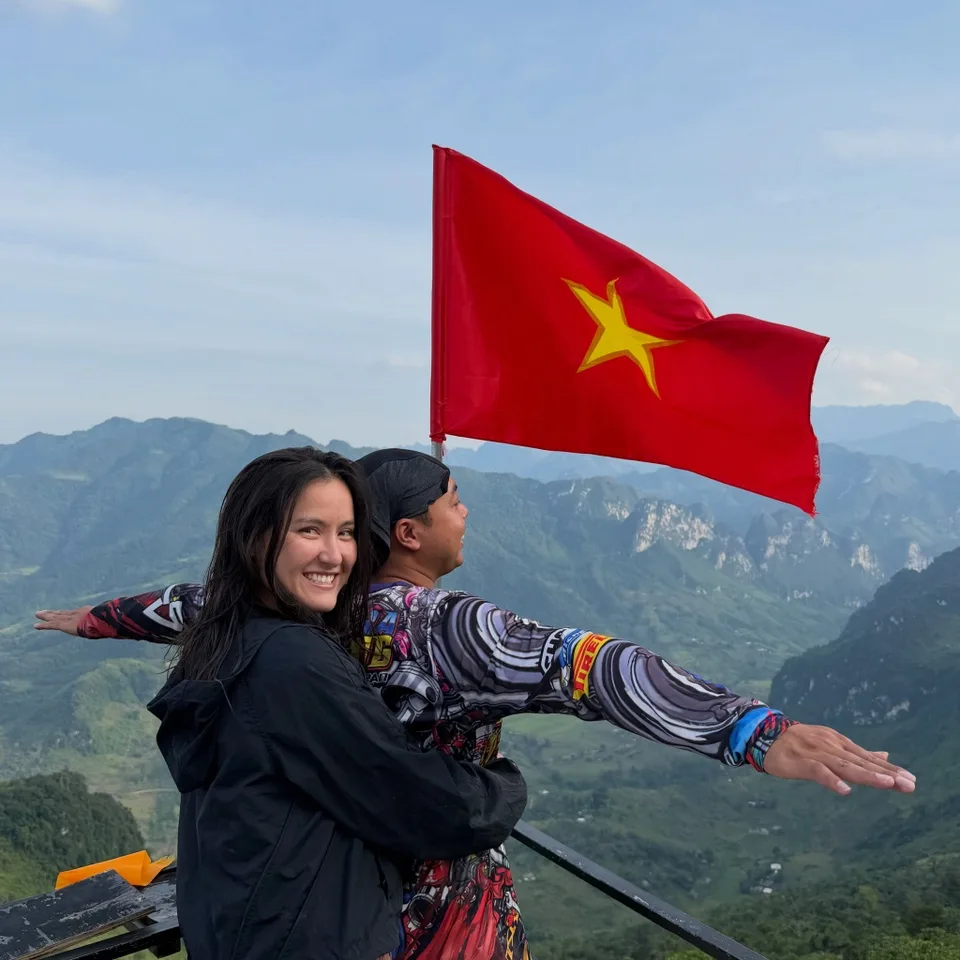
Vietnam Weather Guide: What to Expect in Every Region
Last updated: October 19, 2026

Vietnam’s weather is far more varied than many first-time visitors expect. Because the country stretches more than 1,000 miles (1,600 km) from north to south, you can experience crisp mountain air in the north, sunny coastal beaches in central regions, and tropical heat in the south—all during a single trip.
Understanding this regional weather variation is essential when planning your itinerary. There is no single, nationwide weather forecast for Vietnam. Northern, Central, and Southern Vietnam each follow distinct climate patterns, and conditions can vary significantly even within the same region depending on elevation, coastal exposure, and season.
This comprehensive guide explains what to expect across Vietnam, including regional climate patterns, wet and dry seasons, and real-world conditions for popular destinations.
| Planning your travel dates? Read our companion guide: Best Time to Visit Vietnam. |
Vietnam Climate Overview
Vietnam’s long, narrow geography creates several distinct climate zones stretching from mountainous northern topography to southern tropical lowlands.
In brief:
- Northern Vietnam: Experiences four distinct seasonal shifts throughout the year.
- Central Vietnam: Features hot summers with a rainy season that arrives later than elsewhere in the country.
- Southern Vietnam: Stays consistently warm year-round, split simply into wet and dry seasons.
Vietnam’s official tourism authority notes that the country spans both tropical and temperate climate zones, meaning conditions can differ dramatically between cities on any given day (Vietnam Travel).
As a result, a traveler visiting Hanoi, Hoi An, and Ho Chi Minh City on the same itinerary will likely need clothing for multiple weather scenarios.
Weather in Northern Vietnam
Northern Vietnam experiences the most pronounced seasonal changes in the country. Key destinations include Hanoi, Ha Long Bay, Ninh Binh, Sapa, Ha Giang, Cao Bang, and Mai Chau. Mountain conditions differ noticeably from lowlands and coastal areas.
Winter: December to February
Northern winters are surprisingly chilly. In Hanoi and surrounding lowlands, mild temperatures feel much colder due to high humidity, overcast skies, and damp air.
Highland regions like Sapa and Ha Giang see sharp temperature drops, especially at night and elevated passes. Travelers visiting in winter should not expect tropical warmth everywhere and should pack warm layers.
Spring: March to April
Spring brings warming temperatures and pleasant sightseeing weather, though humidity and occasional drizzly rain increase as summer approaches.
Summer: May to August
Northern summers are hot, humid, and rainy, with occasional tropical storms. Peak rainfall occurs between June and August (Vietnam Travel). Heavy downpours typically arrive in short, intense bursts rather than continuous all-day rain, though severe weather can occasionally disrupt transit or outdoor activities.
Autumn: September to November
Autumn offers lower humidity, comfortable temperatures, clear skies, and excellent sightseeing conditions. It is widely considered one of the most picturesque times to visit the north.
Hanoi Weather
Hanoi mirrors the distinct seasonal character of Northern Vietnam:
- December–February: Cool, damp, often cloudy or misty.
- March–April: Warm and pleasant with increasing humidity.
- May–August: Hot, humid, and rain-heavy.
- September–November: Mild, dry, and comfortable.
| Pro Tip: Do not pack for Hanoi based on Ho Chi Minh City weather. Temperatures in the two cities can be completely different in the exact same week. |
Ha Long Bay Weather
Ha Long Bay’s coastal climate follows a distinct pattern: December–March brings cool, misty, and overcast conditions; April–June is warm and sunny; June–August is hot, humid, and storm-prone; while September–November features pleasant warmth with mixed sunshine.
Winter mist adds dramatic flair to limestone karsts but can reduce visibility. Tropical storms in summer may cause cruise cancellations or route alterations. If a bay cruise is central to your trip, build flexible buffers into your schedule.
Sapa and Northern Mountain Weather
Highland destinations like Sapa, Ha Giang, and Cao Bang are significantly cooler than Hanoi. Elevation strongly influences fog, rain, visibility, and nighttime temperatures. Mountain conditions shift rapidly even during warmer months, making warm layers and reliable rain gear essential for trekkers.
Weather in Central Vietnam
Central Vietnam—including Hue, Da Nang, Hoi An, Phong Nha, Nha Trang, and Quy Nhon—follows a weather cycle distinct from the north and south. While it enjoys extended sunny periods during spring and summer, rain and typhoons drench parts of the region in late autumn and early winter.
Hue Weather
Hue experiences heavier, more prolonged seasonal rain than neighboring coastal towns. During wetter months (October–December), maintain a flexible itinerary centered around indoor historic landmarks, imperial palaces, and culinary experiences.
Da Nang and Hoi An Weather
Da Nang and Hoi An feature warm, sunny beach weather throughout spring and summer. However, late-season rainfall increases dramatically from October to December, occasionally bringing tropical storms or street flooding (Vietnam Travel). Beachgoers should account for sea conditions when scheduling late-year trips.
Nha Trang and the South-Central Coast
The south-central coastline around Nha Trang and Quy Nhon operates on a slightly different cycle, remaining sunnier and drier longer into autumn than northern parts of Central Vietnam.
Weather in Southern Vietnam
Southern Vietnam—encompassing Ho Chi Minh City, the Mekong Delta, Can Tho, Phu Quoc, and Con Dao—enjoys a stable tropical climate with warm temperatures year-round. Seasons are split into wet (May–November) and dry (December–April) (Vietnam Travel).
Ho Chi Minh City Weather
Warm year-round, Ho Chi Minh City’s wet season brings brief, heavy afternoon downpours rather than full-day rainouts. Carrying an umbrella and allowing extra travel time for traffic slowdowns keeps city exploration hassle-free.
Mekong Delta Weather
The Mekong Delta shares Saigon’s warm climate. The wet season swells waterways and turns vegetation lush, creating vivid landscapes for river tours despite afternoon rain bursts.
Phu Quoc Weather
Phu Quoc island is sunniest from October to June. July through September brings heavy rain and rough seas, which can occasionally disrupt ferry operations and beach excursions.
Vietnam’s Rainy Season: When Is It?
There is no single nationwide rainy season. Northern Vietnam sees peak rain in summer (June–August); Central Vietnam gets rain in late autumn/winter (October–December); Southern Vietnam experiences rain from May to November. Generalizations like ‘Vietnam’s rainy season is May to October’ fail to capture regional realities.
Does Rainy Season Mean Constant All-Day Rain?
Rarely. Tropical rain typically arrives in intense 1-to-2-hour afternoon bursts preceded and followed by sunshine. While tropical storms can bring multi-day rain, flexible scheduling keeps most wet-season trips enjoyable.
Vietnam’s Dry Season
Dry season timing also varies by region. While dry weather brings clear skies for sightseeing, it can also bring intense heat, high humidity, and heavier tourist crowds. ‘Dry season’ does not automatically mean ‘best season’ for every travel style.
Tropical Storms and Typhoons
Coastal Vietnam can be affected by typhoons during late summer and autumn. Severe weather can lead to flight delays, flooded roads, or boat cancellations. Always follow local advisory warnings and maintain travel insurance.
Quick Guide: Vietnam Weather by Destination
| Destination | General Weather Pattern | Key Considerations |
| Hanoi | Pronounced 4-season climate | Cold winters, hot/humid summers |
| Ha Long Bay | Coastal & seasonal | Winter mist, summer storm disruptions |
| Sapa | Cool mountain climate | Chilly nights, rapid fog/weather shifts |
| Ha Giang | Highland mountain climate | Temperatures drop significantly with elevation |
| Ninh Binh | Northern lowland climate | Hot/wet summers, mild/cool winters |
| Hue | Central climate zone | Heavy, prolonged rain late in the year |
| Da Nang | Warm coastal climate | Hot summers; wet/stormy late autumn |
| Hoi An | Warm coastal climate | Seasonal street flooding possible in late autumn |
| Nha Trang | South-central coast | Sunnier autumns than Hue/Hoi An |
| Ho Chi Minh City | Consistently tropical | Defined wet and dry seasons; afternoon showers |
| Mekong Delta | Warm & humid tropical | Lush green scenery; frequent wet-season showers |
| Phu Quoc | Tropical island climate | Rough seas & heavy rain July–September |
What to Pack for Vietnam’s Weather
Pack for your specific itinerary, not for a generic climate label:
- Warm Weather: Lightweight, breathable clothing, sun protection, hat, sunglasses, reusable water bottle.
- Rainy Weather: Light waterproof shell, compact umbrella, quick-dry fabrics, waterproof bag cover.
- Northern Winter / Mountains: Thermal layers, fleece jacket, long pants, sturdy walking shoes.
- Beach Destinations: Swimwear, high-SPF sunscreen, light cover-ups, sandals.
How Weather Should Shape Your Vietnam Itinerary
Use weather forecasts as a planning tool, not a dealbreaker:
- Focus on regional zones: If Central Vietnam is wet, Northern or Southern regions may be pristine.
- Match activities to seasons: Rain matters far more for trekking and cruises than for city tours, cooking classes, or museums.
- Build in schedule buffers: Avoid booking weather-sensitive outdoor activities immediately prior to international long-haul flights.
- Check short-term forecasts: Long-term historical averages guide initial planning, but real-time forecasts dictate daily choices.
Frequently Asked Questions About Vietnam Weather
What is the weather like in Vietnam?
Vietnam features multiple climate zones. Northern Vietnam has four distinct seasons, Central Vietnam has a delayed rainfall cycle, and Southern Vietnam remains warm year-round with clear wet and dry seasons.
Does Vietnam have four seasons?
Yes, in Northern Vietnam. Southern Vietnam is best understood through wet and dry seasons.
When is Vietnam’s rainy season?
It depends on the region. North and South see peak rain during summer/autumn, while Central Vietnam experiences heavy rain in late autumn/winter.
Does it rain all day during the rainy season?
Usually no. Tropical rain comes in heavy, brief afternoon downpours rather than day-long drizzles.
Is Vietnam hot year-round?
Southern Vietnam stays warm year-round, but Northern Vietnam can get cold in winter, especially in mountain areas like Sapa.
Does Vietnam experience typhoons?
Yes, coastal areas can be affected by tropical storms and typhoons during wet seasons.
Can I visit Vietnam during the rainy season?
Absolutely. Rainy season travel offers lush scenery, fewer crowds, and lower prices if you keep your schedule flexible.
Plan Your Vietnam Trip Around the Weather
Vietnam’s diverse regional weather is not a reason to avoid travel—it is an opportunity to plan smarter. A well-crafted itinerary aligns your dates with the regions best suited to your preferences.
At MyVivaTour, we help international travelers design custom Vietnam journeys tailored to travel dates, regional weather patterns, favorite activities, and personal travel style.