11 Places That Reveal Vietnam at Its Most Beautiful
Last updated: September 24, 2026

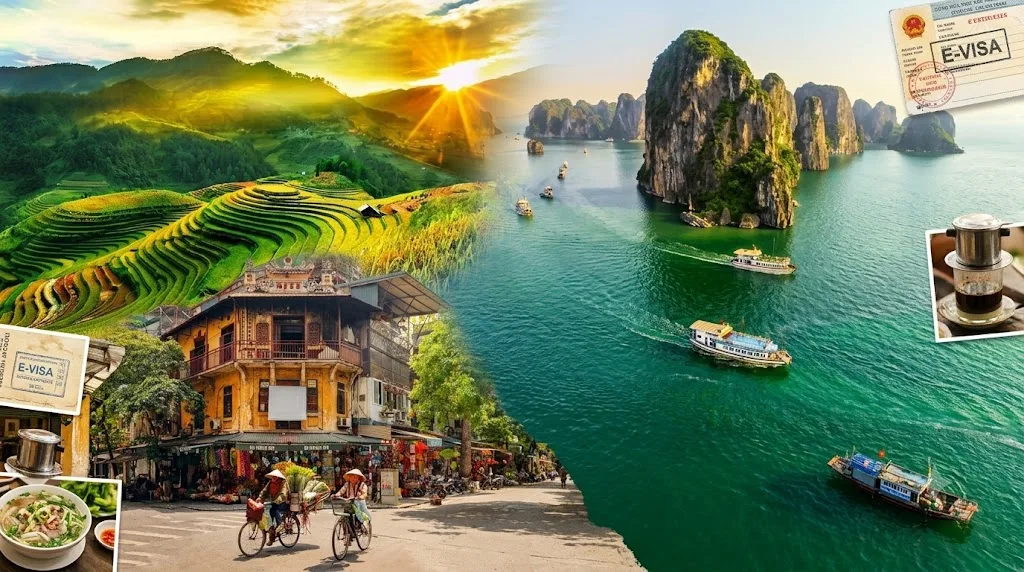
From the historic streets of Hanoi and the imperial heritage of Hue to the vast caves of Phong Nha, mountain terraces in the north and islands where forests still reach the sea, travel writer Joshua Zukas has highlighted 11 places that capture Vietnam’s remarkable diversity. For international travelers, the list offers something more than beautiful scenery — it reveals just how many different journeys are possible within one country.
Vietnam rarely reveals itself in a single landscape.
Travel north and mountains rise above terraced fields and remote villages. Follow the coastline south and the scenery shifts to fishing communities, quiet bays and tropical islands. In between are imperial cities, ancient temple complexes, caves hidden beneath limestone mountains and forests where wildlife still thrives.
That diversity is at the heart of a recent selection by travel writer Joshua Zukas for British newspaper The Times.
Zukas first arrived in Vietnam nearly two decades ago and spent more than ten years living in Hanoi. Drawing on years of traveling around the country, he selected 11 places that, in different ways, represent some of Vietnam’s most memorable landscapes and experiences.
Some are already familiar to international travelers. Others remain well outside the typical first-time Vietnam itinerary.
Together, they offer an intriguing starting point for anyone wondering where to go next.
Hue — Where Vietnam’s Imperial Past Still Shapes the City
Zukas places Hue at the top of his selection.
Once the imperial capital of the Nguyen Dynasty, Hue has a character that feels noticeably different from Vietnam’s larger cities.
The Perfume River runs through the center, tree-lined streets provide pockets of shade, and historic monuments remain woven into the modern city rather than separated from it.
At its heart stands the Imperial City, part of the Complex of Hue Monuments recognized by UNESCO as a World Heritage Site.
Yet Hue deserves more than a quick visit to the Citadel.
Beyond its walls are the elaborate royal tombs of the Nguyen emperors, Thien Mu Pagoda, traditional garden houses and a food culture with deep connections to the former royal court.
Travelers moving between Hanoi and Hoi An sometimes treat Hue as an overnight stop. Spending two or three days here allows the city to unfold at a more appropriate pace.
Best for: history, architecture, food and slow travel.
Hanoi Old Quarter — Beauty Hidden in the Details
Hanoi can be overwhelming at first.
Motorbikes stream through intersections, vendors occupy the sidewalks, cooking fires appear beside shopfronts and the sound of the city rarely seems to disappear completely.
But that intensity is also part of its character.
The Old Quarter is a maze of narrow streets whose history stretches back centuries to neighborhoods associated with different trades and guilds.
Today, daily life continues at street level.
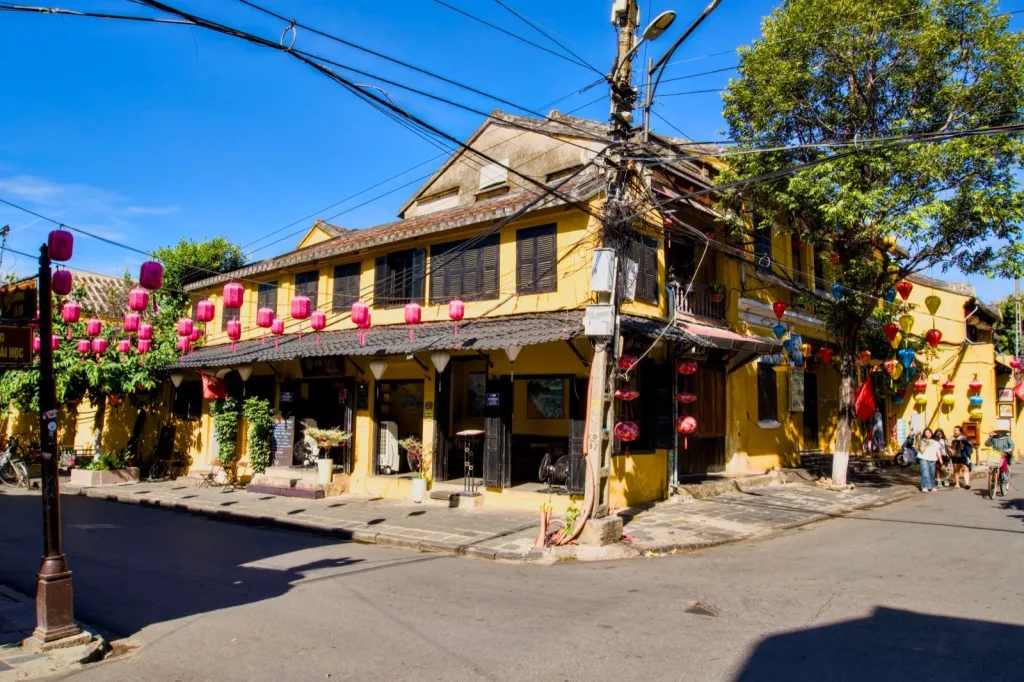
Walk slowly and another Hanoi begins to emerge: small temples hidden behind busy streets, quiet courtyards, aging French-influenced villas, traditional shophouses and cafés occupying buildings that have been adapted repeatedly over generations.
The Old Quarter rewards curiosity more than a checklist.
Have a bowl of noodles, stop for Vietnamese coffee and spend some time simply watching the city move around you.
Best for: food, photography, urban culture and first-time visitors.
Phong Nha — A World Beneath the Mountains
Central Vietnam holds some of the country’s most extraordinary landscapes underground.
Phong Nha–Ke Bang National Park is known for its limestone mountains, underground rivers and extensive cave systems. The area is recognized by UNESCO as a World Heritage Site.
Its most famous natural wonder is Son Doong, a cave of such enormous scale that sections contain their own forests and weather systems.
Exploring Son Doong, however, is only one way to experience Phong Nha.
The region offers cave adventures at very different levels of difficulty, from relatively accessible excursions to multi-day expeditions involving trekking, river crossings and nights spent inside or near cave systems.
Above ground, visitors can cycle through rural villages, kayak, explore the Son River or simply enjoy the slower pace of the surrounding countryside.
This range makes Phong Nha accessible not only to serious adventurers but also to travelers who want to spend a few days surrounded by nature.
Best for: adventure travel, caves, trekking and nature.
Son Tra Peninsula — Wilderness on Da Nang’s Doorstep
One of the surprises of Da Nang is how quickly the city gives way to wilderness.
Just beyond its urban beaches, the Son Tra Peninsula rises above the sea under a canopy of tropical forest.
Roads wind around the peninsula, occasionally opening onto views across the coastline and the city below. Small bays sit between forested slopes, while Linh Ung Pagoda and its towering Lady Buddha statue have become familiar landmarks.
Son Tra is also an important habitat for the red-shanked douc langur, an endangered primate known for its unusually colorful appearance.
For travelers following the popular Hue–Da Nang–Hoi An route, Son Tra provides an easy way to add wildlife and forest scenery without making a major detour.
Best for: nature, wildlife, coastal scenery and Central Vietnam itineraries.
Sa Pa — Mountains Shaped by Presentation
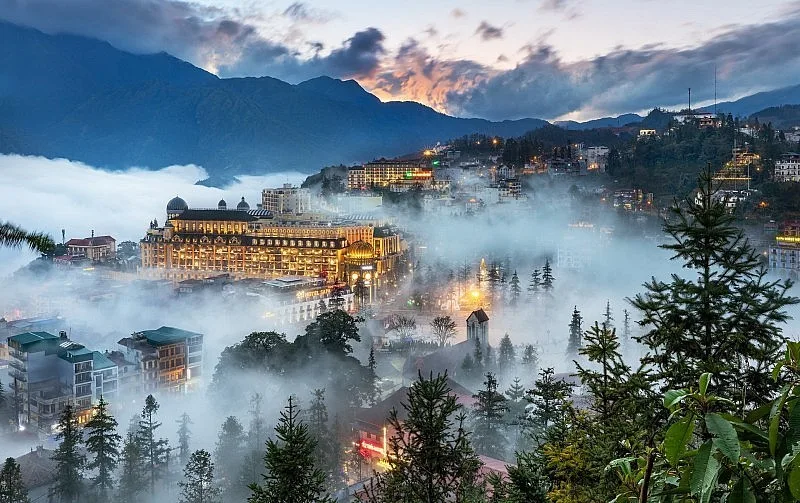
The first thing many travelers notice in Sa Pa is the sheer scale of the landscape.
Mountains extend toward the horizon while steep valleys descend between them. Across the slopes, terraced rice fields follow the contours of the land in patterns created over generations.
But the experience of Sa Pa depends greatly on how you travel.
The town itself has developed rapidly. To see another side of the region, travelers can trek through surrounding valleys, stay in rural homestays or mountain lodges, and spend time in communities beyond the urban center.
Multi-day walks reveal landscapes that change with the weather and seasons — from mist moving through the valleys to green or golden rice terraces depending on the time of year.
Sa Pa is also home to several ethnic minority communities, making respectful, community-based travel an important consideration when visiting the region.
Best for: trekking, mountain scenery, photography and cultural experiences.
My Son Sanctuary — Ancient Champa in a Forested Valley
My Son may not have the enormous scale of some archaeological sites elsewhere in Southeast Asia, but atmosphere is one of its strengths.
Red-brick towers rise from a green valley surrounded by forested hills. Some structures remain remarkably detailed, while others bear visible traces of age and wartime damage.
For centuries, My Son served as an important religious and political center of the Champa Kingdom.
The sanctuary was inscribed as a UNESCO World Heritage Site in 1999 and today offers travelers a window into a civilization that played a major role in the history of central Vietnam.
My Son is easily incorporated into a stay in Hoi An or Da Nang and can usually be visited as a half- or full-day excursion.
It also adds important historical context to a Central Vietnam itinerary that might otherwise focus primarily on beaches and the heritage architecture of Hoi An.
Best for: archaeology, history, architecture and Cham culture.
Vietnam’s South-Central Coast — Where the Road Becomes the Destination
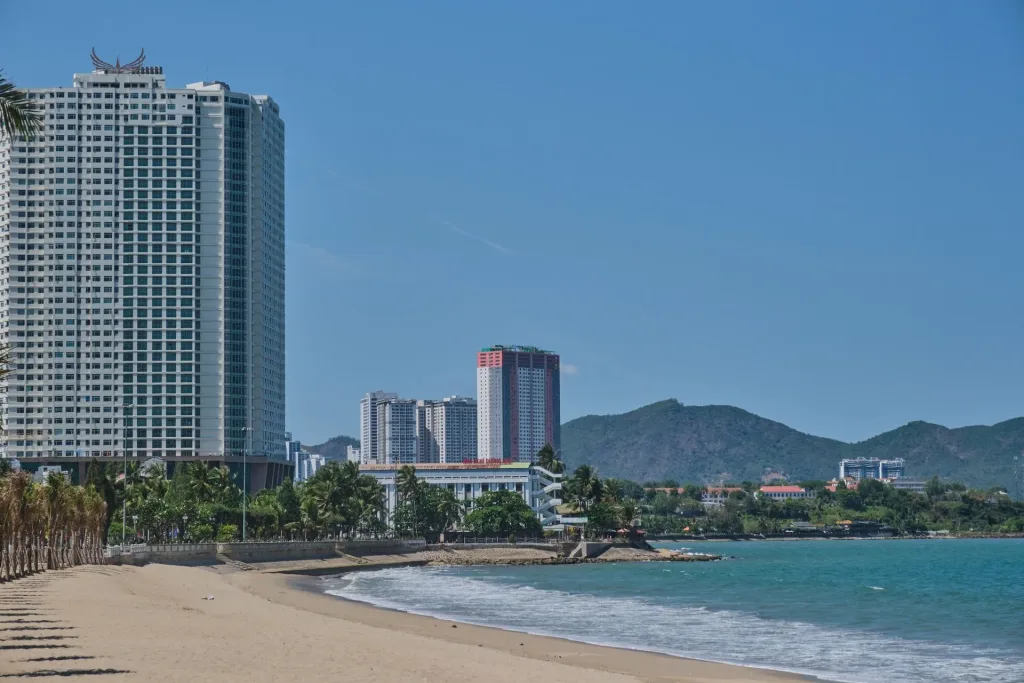
Vietnam has no shortage of famous beaches, but the coastline between Quy Nhon and Phan Rang offers a different kind of journey.
Here, rocky headlands extend into the sea, roads curve around hillsides and crescent-shaped bays appear between fishing villages and long stretches of open coastline.
Some of the best moments come from the road itself.
Rather than flying directly between major destinations, travelers with more time can turn the journey south into part of the experience, stopping at beaches, fishing communities and smaller coastal towns along the way.
The region also includes secluded resorts designed around their natural surroundings, providing opportunities to combine a road trip with several days of relaxation.
For travelers who have already experienced Vietnam’s best-known coastal destinations, this stretch of the country offers a quieter alternative.
Best for: road trips, beach holidays, couples and slow travel.
Hoang Su Phi — A Quieter Side of Northern Vietnam
As the Ha Giang Loop becomes increasingly familiar to international travelers, Hoang Su Phi offers another perspective on Vietnam’s northern mountains.
Its defining landscape is a vast network of rice terraces carved into steep hillsides.
Villages are scattered through valleys and mountains, while roads remain noticeably quieter than some of the increasingly popular motorbike routes elsewhere in the north.
Hoang Su Phi particularly rewards travelers willing to explore on foot.
Trekking routes cross rice terraces and connect rural communities, making the journey less about moving quickly between famous viewpoints and more about spending time within the landscape.
It can also form part of a longer northern Vietnam journey for travelers who want to venture beyond the most established routes.
Best for: trekking, rice terraces, photography and off-the-beaten-path travel.
Cat Tien National Park — Vietnam on the Wild Side
Not every Vietnam itinerary needs to revolve around cities, beaches and cultural monuments.
Cat Tien National Park provides a very different experience.
The park protects one of southern Vietnam’s significant remaining areas of lowland tropical forest. Towering trees, bamboo, wetlands and dense vegetation support a remarkable variety of wildlife.
Travel here is as much about listening as looking.
Early mornings may bring the calls of gibbons through the forest. Depending on the route and conditions, visitors may encounter birds, butterflies and other wildlife while exploring by foot, bicycle or guided excursion.
For travelers passing through Ho Chi Minh City, Cat Tien can provide several days in nature before continuing toward the coast or the Mekong Delta.
It is a reminder that some of Vietnam’s most rewarding experiences happen far from its famous urban landmarks.
Best for: wildlife, birdwatching, forest trekking and ecotourism.
Con Dao — Beaches, Forests and Layers of History
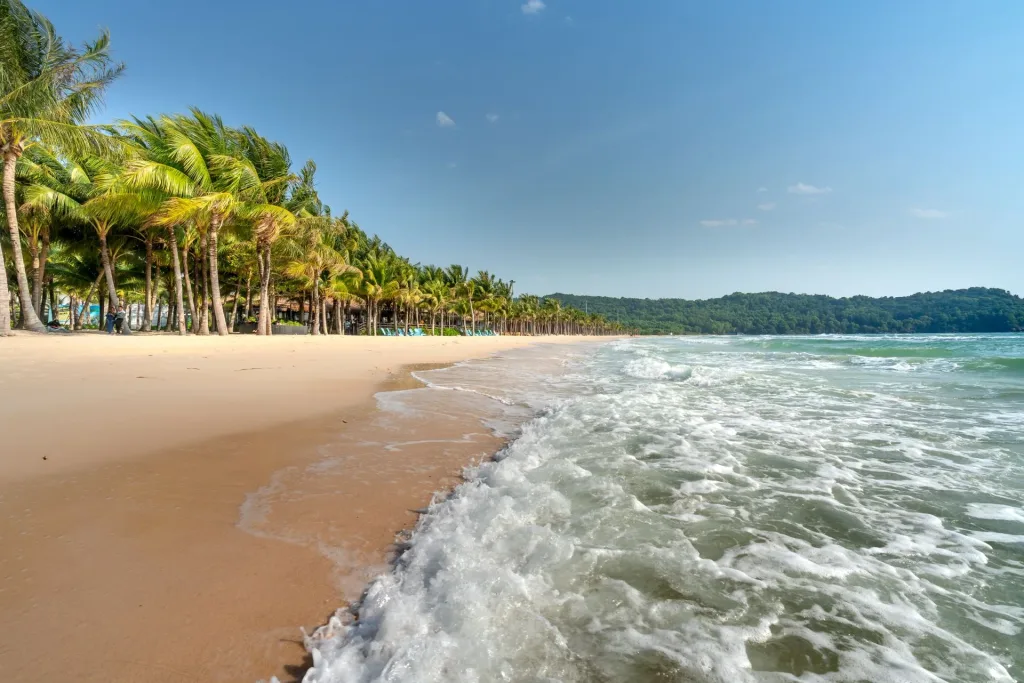
Vietnam’s long coastline offers countless beaches, but Con Dao feels different from many of the country’s better-known seaside destinations.
On this remote archipelago, white-sand beaches meet clear water while tropical forest reaches close to the shoreline.
Large-scale development remains more limited than in many established resort areas, helping parts of the islands retain a sense of isolation.
The surrounding waters offer opportunities for swimming, snorkeling and diving. Con Dao is also an important area for sea turtle conservation, with green turtles nesting on the islands during the breeding season.
But Con Dao has another, much more somber dimension.
Its former prison system and historical sites preserve memories of one of the most difficult chapters in modern Vietnamese history.
That combination gives a visit unusual depth: mornings might be spent exploring the coast, while another part of the day is devoted to understanding the island’s past.
Best for: beaches, diving, nature, history and couples.
Cao Bang — Waterfalls and Limestone Landscapes
In Vietnam’s northeast, Cao Bang is shaped by limestone mountains, rivers, valleys and winding rural roads.
Its best-known natural landmark is Ban Gioc Waterfall, where water cascades across multiple tiers in a landscape along the Vietnam–China border.
Yet Ban Gioc is only part of the experience.
Travelers can combine the waterfall with scenic drives through the countryside, local villages and other geological landscapes such as Nui Thung, often known as Angel Eye Mountain.
The wider region is also part of the UNESCO-recognized Non Nuoc Cao Bang Global Geopark.
Cao Bang works particularly well for travelers who want to extend a northern Vietnam itinerary beyond Hanoi and other more established destinations.
The distances involved mean it deserves time rather than a rushed visit.
Best for: road trips, landscape photography, nature and slow travel.
11 Places — But Not a Checklist
Perhaps the most interesting thing about Joshua Zukas’s selection is not which destination comes first.
It is how different the 11 places are from one another.
Travelers drawn to history might spend more time in Hue and My Son.
Those looking for mountains can choose between Sa Pa, Hoang Su Phi and Cao Bang, each offering a noticeably different experience.
Phong Nha provides a natural fit for adventure travelers.
For a coastal escape, Con Dao and the South-Central Coast offer two very different versions of a Vietnam beach journey.
And Hanoi demonstrates that beauty does not always require mountains, forests or empty beaches. Sometimes it can be found down a narrow street, behind an old doorway or at a tiny café while everyday life unfolds around you.
Trying to fit all 11 destinations into a single trip would miss the point.
Vietnam rewards travelers who choose a pace and route that match the experiences they care about most.
So rather than asking how many of these places you can fit into one itinerary, a better question may be:
What kind of Vietnam do you want to experience?
The answer can help determine where your journey begins.