Vietnam Ranks Among the World’s Top Autumn Travel Destinations for 2026
Last updated: October 21, 2026

From golden rice terraces in the northern mountains to the atmospheric streets of Hanoi and the limestone islands of Ha Long Bay, Vietnam has earned fourth place on Lonely Planet’s list of 15 standout travel destinations for autumn 2026. But beyond the ranking, what makes this season such a rewarding time to explore the country?
There is a moment in northern Vietnam when the landscape begins to change.
High in the mountains, rice terraces turn from green to gold. In Hanoi, the intense heat of summer gradually gives way to gentler mornings. Across Ha Long Bay, the limestone islands rise above the water beneath skies that can offer clearer views than during the wetter summer months.
For travelers who prefer discovering a destination at a more comfortable pace, autumn can be one of the most appealing times to experience Vietnam.
That seasonal appeal has received international recognition.
In October 2026, Lonely Planet ranked Vietnam fourth among 15 standout autumn travel destinations worldwide, behind Japan, Italy and Thailand.
The list was based on sales of Lonely Planet guidebooks from late August to late September 2026, reflecting travelers’ growing interest in destinations for the season rather than serving as an independent assessment of natural beauty or tourism quality.
For Vietnam, however, the recognition highlights something travelers have long appreciated: the country offers a remarkable combination of natural scenery, cultural experiences and everyday local life.
And in autumn, some of those experiences take on a particularly memorable character.
Why Vietnam Stands Out in Autumn
Unlike destinations where autumn is defined by forests turning red and orange, Vietnam offers a different interpretation of the season.
In the northern mountains, the changing landscape is shaped by the rice harvest. In Hanoi, autumn is often associated with softer light, seasonal foods and the return of more comfortable weather. Along the northeastern coast, conditions can become more favorable for exploring Ha Long Bay.
These changes do not happen everywhere at once.
Vietnam stretches across several climate regions, and October in the north can feel very different from October in the south.
That diversity is part of the country’s appeal, but it also means travelers should plan with regional conditions in mind.
Rather than expecting one uniform autumn season, visitors can discover several distinct experiences within the same journey.
Hanoi: A City That Feels Different in Autorun
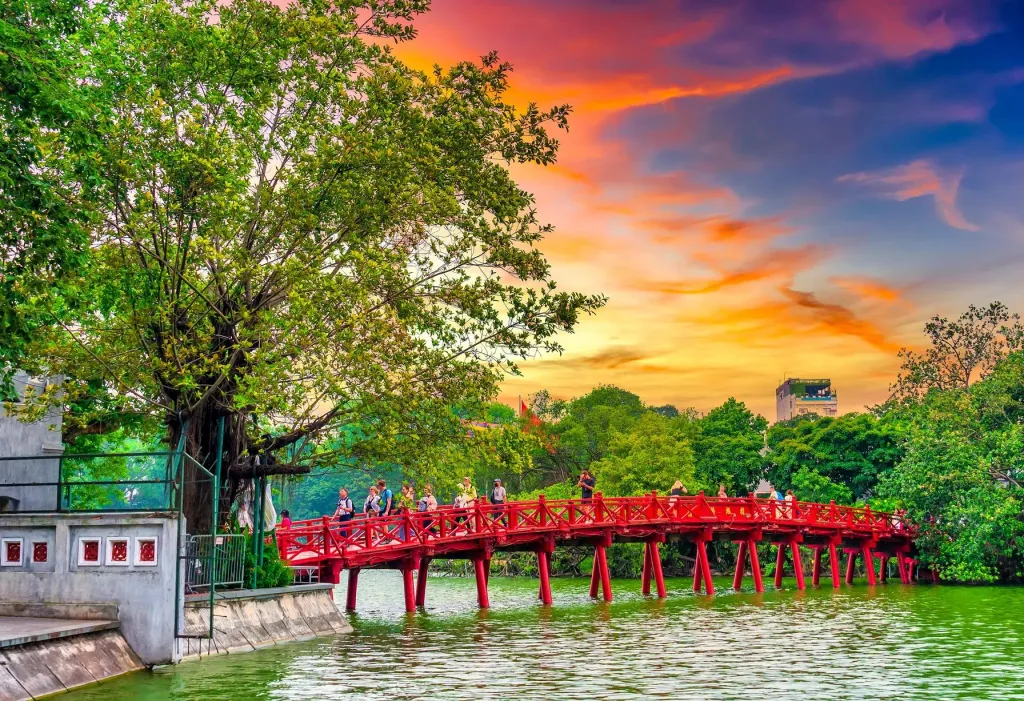
Hanoi is a city best understood through its everyday rhythms.
Early mornings bring people gathering around lakes, opening small shops and sitting on low stools beside steaming bowls of pho. Motorbikes fill the streets, while old buildings and tree-lined avenues give the capital its distinctive character.
During autumn, the city can become particularly inviting for walking and exploring.
After the intense summer heat, more comfortable temperatures make it easier to spend time outdoors, whether wandering through the Old Quarter, exploring historic neighborhoods or simply watching daily life unfold from a sidewalk café.
There is no need to rush from one attraction to another.
Some of Hanoi’s most memorable experiences are also its simplest.
A bowl of pho at a neighborhood restaurant. A morning walk beside Hoan Kiem Lake. A quiet courtyard hidden behind a busy street. An afternoon spent discovering the city’s architecture and traditional food.
For international visitors, these small moments often reveal as much about Vietnam as its famous landmarks.
Autumn offers a particularly pleasant setting in which to enjoy them.
Sa Pa: When the Rice Terraces Turn Golden
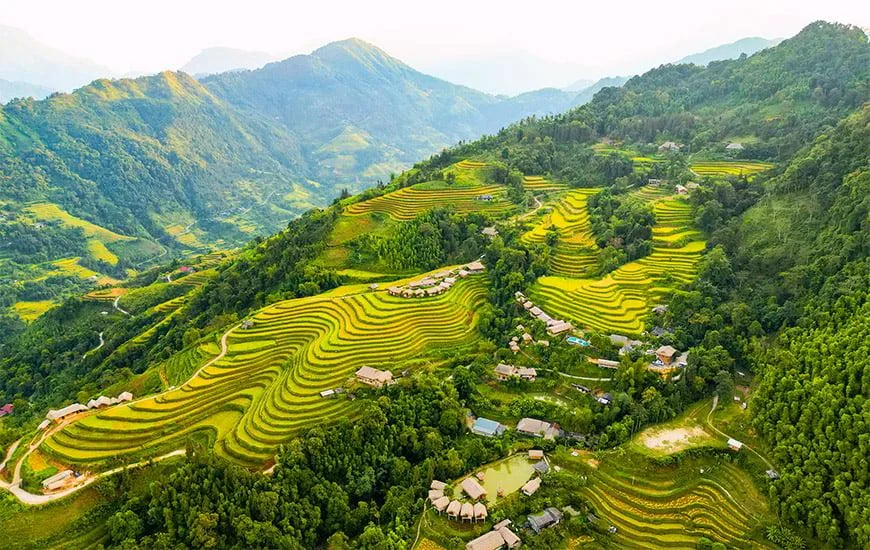
Few landscapes capture the character of northern Vietnam’s harvest season as vividly as the terraced fields around Sa Pa.
Carved into steep mountain slopes over generations, these terraces follow the natural contours of the land, creating patterns that change with the agricultural calendar.
During the rice-ripening season, the hillsides can turn extraordinary shades of yellow and gold.
From a distance, the terraces resemble long ribbons winding around the mountains. Closer up, they reveal the work of farming communities whose livelihoods remain closely connected to the land.
For photographers, the scenery can be spectacular.
For travelers interested in local culture, however, the experience offers something more.
Walking through villages and agricultural landscapes provides opportunities to learn about rural life, traditional farming and the communities that have shaped the region.
The appeal of Sa Pa is not simply the view from a mountain road.
It is the relationship between the landscape and the people who live within it.
Timing Matters in the Rice Harvest Season
One important detail is often overlooked when planning an autumn journey to northern Vietnam.
The golden rice season does not last throughout autumn.
Harvest timing varies by location, altitude, weather and farming practices. Some terraces may already have been harvested by October.
Travelers hoping to photograph golden rice fields should therefore research the conditions in their intended area rather than assume the scenery will look the same throughout the season.
The mountains remain beautiful after the harvest, but the landscape can be quite different from the golden images often seen in travel magazines.
Ha Giang: Mountain Roads and the Beauty of Rural Vietnam
If Sa Pa is famous for its rice terraces, Ha Giang is known for its dramatic mountain scenery and remarkable roads.
In this northern region, limestone mountains rise above deep valleys, winding roads cross high passes and villages appear among the hills.
Autumn can be an appealing time to explore these landscapes, particularly for travelers interested in photography, trekking and local communities.
The region also offers opportunities to encounter the traditions and everyday life of ethnic minority communities.
Yet the most memorable moments are not always found at famous viewpoints.
They may come during a stop in a mountain village, a conversation with a local guide or a quiet moment looking across fields and valleys.
For travelers arriving from major international cities, the slower pace of rural life can be one of the most striking aspects of the experience.
More Than a Scenic Road Trip
Ha Giang is frequently associated with its famous mountain loop, but reducing the region to a road journey overlooks much of its character.
The landscape is also home to communities, farms, markets and cultural traditions.
Exploring with knowledgeable local guides can help visitors better understand the places they pass through.
It also encourages a more respectful approach to photography and cultural encounters.
The mountains may draw travelers to Ha Giang, but the people and their relationship with the landscape give the journey much of its meaning.
Ha Long Bay: A Different Perspective in Autorun
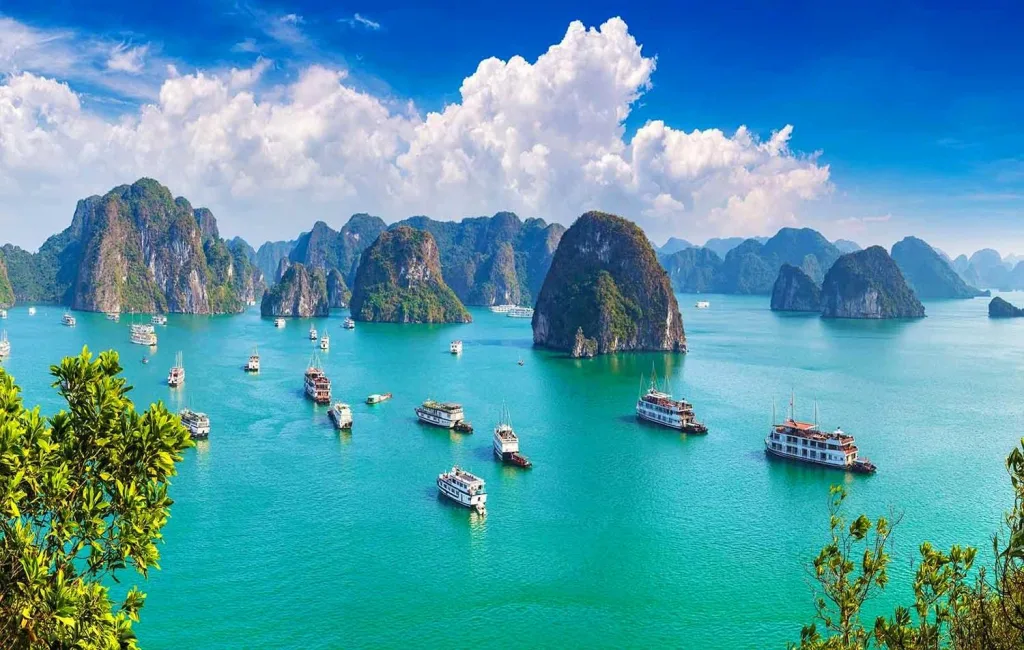
Ha Long Bay is among Vietnam’s most recognizable natural landscapes.
Thousands of limestone islands and formations rise from the water, creating a seascape that has attracted travelers from around the world.
According to Lonely Planet’s autumn destination coverage, the season can bring more favorable weather and visibility for exploring the bay.
For visitors, this can make activities such as cruising, sightseeing and enjoying the coastal scenery particularly appealing.
The experience is often as much about atmosphere as it is about the destination itself.
From the deck of a boat, the islands appear and disappear as the vessel moves across the water. Limestone cliffs rise above quiet channels, while the changing light creates new perspectives throughout the day.
The scale of the landscape becomes especially apparent when seen from the water.
Autumn conditions can make the experience rewarding, although weather remains variable and individual days may still bring rain, wind or reduced visibility.
Travelers should check local forecasts and cruise operating conditions before departure.
Hoi An: Discovering Vietnam at a Slower Pace
Autumn travel in Vietnam is not limited to the northern mountains.
For visitors continuing south through the country, Hoi An offers a different kind of experience.
The historic town is known for its architecture, traditional streets, food culture and surrounding countryside.
One of the experiences highlighted in the source coverage is cycling through rural areas around Hoi An.
Away from the busier streets, travelers can encounter agricultural landscapes, village roads and scenes of everyday life.
Cycling offers a slower perspective than traveling by car.
There is time to notice the fields, small houses and daily activities that might otherwise pass unnoticed.
However, central Vietnam’s weather requires particular attention during autumn.
October and November can bring heavy rain, flooding and storms to parts of the central coast, including the Hoi An area.
Travelers should remain flexible and avoid assuming that conditions in central Vietnam will match the generally more favorable autumn weather often experienced in the north.
Southern Vietnam: Warm Weather and a Different Seasonal Rhythm
While northern Vietnam experiences more noticeable seasonal changes, the south follows a different weather pattern.
October generally remains warm, with periods of rain.
In Ho Chi Minh City, that does not necessarily prevent travelers from enjoying the city’s food, architecture and energetic street life.
Exploring local neighborhoods, visiting markets and discovering the city’s culinary culture can all remain rewarding experiences.
Lonely Planet’s suggestions include exploring Ho Chi Minh City by motorbike, an activity that offers a close-up view of its urban character.
For international visitors unfamiliar with local traffic, traveling with an experienced, properly licensed driver or reputable guide is a more practical option than attempting to navigate the streets independently.
The important consideration in southern Vietnam is flexibility.
Rainfall can affect outdoor plans, so it is useful to balance scheduled activities with time that can be adjusted.
What Makes an Autumn Journey Through Vietnam Special?
Vietnam’s appeal in autumn is not defined by one landscape or a single seasonal event.
It comes from the contrast between regions.
A journey might begin among Hanoi’s historic streets before continuing to the rice terraces and mountain villages of the north.
From there, travelers could explore the limestone scenery of Ha Long Bay or continue south towards the historic towns and cultural landscapes of central Vietnam.
Each region offers a different perspective.
The north reveals the relationship between agriculture, mountain landscapes and local communities.
Hanoi provides a window into the country’s history, food culture and contemporary life.
Ha Long Bay introduces a natural environment unlike the mountain scenery further inland.
Central and southern Vietnam add different climates, traditions and urban experiences.
Together, they create a journey that is much richer than any single destination.
Is October the Best Month to Visit Vietnam?
There is no single month that offers perfect weather throughout Vietnam.
For many northern destinations, October can be particularly attractive, with more comfortable conditions for outdoor exploration and opportunities to experience the changing agricultural landscape.
But travelers should consider several factors before choosing their dates.
In the northern mountains, rice harvests vary from place to place. In central Vietnam, heavy rain and storms can affect travel. In the south, warm temperatures and occasional downpours remain part of the seasonal pattern.
The best travel dates therefore depend on the destinations and experiences that matter most.
Someone hoping to photograph golden rice terraces may choose a different travel window from someone planning a beach holiday or a journey focused on historic towns.
For visitors with limited time, concentrating on fewer regions can often provide a more enjoyable experience than attempting to cross the entire country in a tightly scheduled itinerary.
A Global Ranking, but a Very Personal Experience
Lonely Planet’s 2026 list places Vietnam alongside some of the world’s most recognizable travel destinations.
Japan leads the ranking with its celebrated autumn foliage, followed by Italy, known for mild weather and seasonal food experiences, and Thailand, where conditions begin to improve as the rainy season eases.
Vietnam follows in fourth place.
Other destinations on the list include Sri Lanka, India, China, Portugal, New Zealand, Australia, Norway, the Philippines and New York, along with broader regions in South America and Africa.
The ranking reflects guidebook purchasing interest during a particular period, rather than a scientific comparison of scenery or travel quality.
Still, it offers a useful reminder of how differently autumn can be experienced around the world.
In Japan, travelers may seek crimson maple leaves.
In Italy, they may be drawn to harvest-season food and quieter historic towns.
In Vietnam, the defining memories might be golden rice terraces, misty mountains, a bowl of pho on a Hanoi morning or a quiet boat journey among limestone islands.
Beyond the Ranking: Discovering Vietnam in Your Own Way
International recognition can inspire people to consider a destination.
But the most meaningful journeys rarely come from rankings alone.
They come from the experiences travelers choose, the people they meet and the time they allow themselves to spend in a place.
Vietnam’s fourth-place position on Lonely Planet’s autumn 2026 list is welcome recognition of the country’s seasonal appeal.
Yet the real attraction lies beyond the headline.
It is found in the contrast between mountain villages and lively cities, between quiet countryside and dramatic coastal landscapes, and between familiar attractions and unexpected moments.
For travelers planning a visit, autumn offers an opportunity to discover some of those contrasts at a particularly rewarding time of year.
The question is not simply whether Vietnam deserves a place among the world’s best autumn destinations.
It is which part of Vietnam’s autumn story you would most like to experience.