Koh Samui Travel Guide: Beaches, Best Time to Visit and Things to Do
Last updated: June 25, 2026
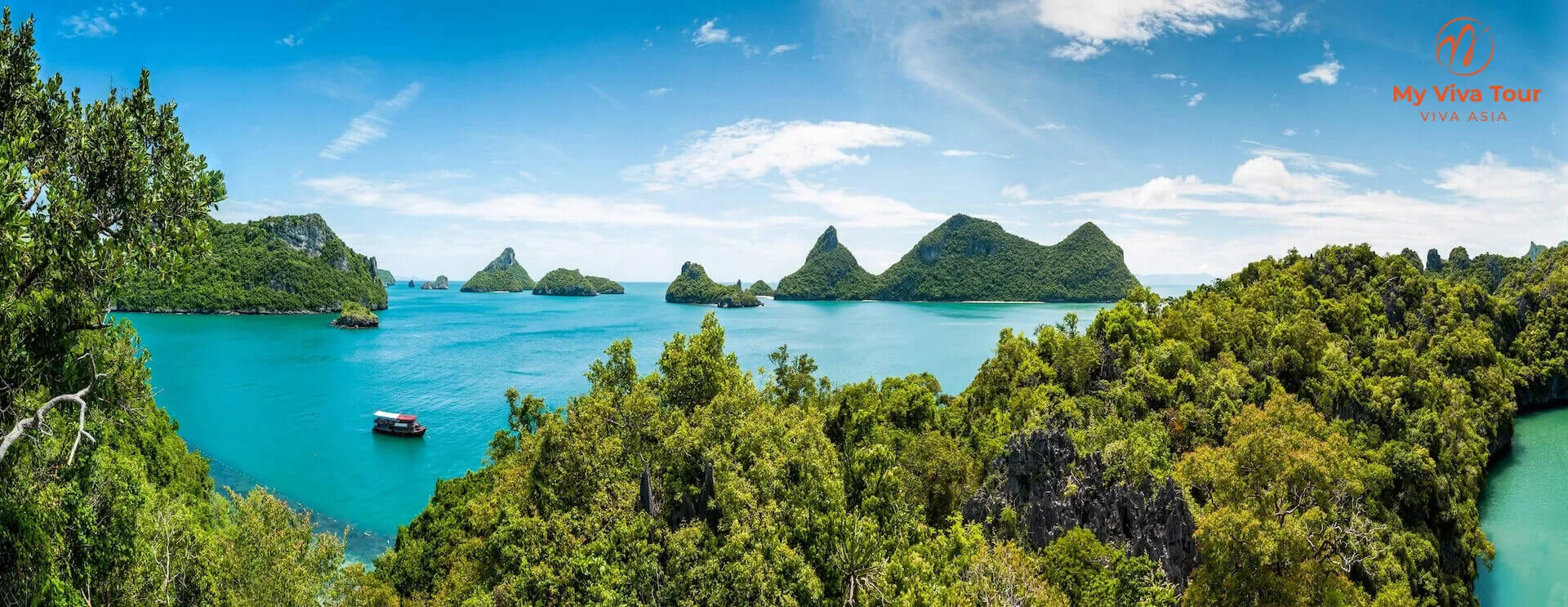
This Koh Samui travel guide is for travellers who want the easy side of island Thailand: warm swimming bays, a golden Big Buddha on the hill, jungle waterfalls a short drive inland, and a day trip out to one of the prettiest marine parks in the Gulf. Samui rewards a slow pace more than a checklist. Give it a few days and it settles into a rhythm of beach mornings, late lunches and sunset markets.
Quick answer: Koh Samui is best for travellers who want palm-fringed beaches, a relaxed island pace and an easy boat trip to Ang Thong Marine Park. The best time to visit Koh Samui is December to March, when the island is at its driest and the sea is calm and clear. First-time visitors should make room for Chaweng or Lamai beach, the Big Buddha temple, and a full-day Ang Thong tour.
- Country: Thailand (Gulf of Thailand, Surat Thani Province)
- Best time: December–March for the driest, calmest weather (driest of all in February–March)
- Known for: Chaweng & Lamai beaches, the Big Buddha, Ang Thong Marine Park, coconut groves
- Good for: beach holidays, couples, families, first-time island travellers
In this guide: Things to do · Best time · Culture · Food · Tips · FAQs
What are the best things to do in Koh Samui?
Most trips start at the beaches, and the two big names sit on the east coast. Chaweng is the longest and liveliest, a wide ribbon of white sand backed by cafes, bars and hotels. A little south, Lamai is its quieter cousin: still plenty of swimming and life, but the pace eases off a notch. If you want calm, shallow water for kids, look at the north-coast bays around Bophut and Maenam instead.
The island’s signpost landmark is the Big Buddha at Wat Phra Yai, a roughly 12-metre golden statue built in 1972 on a small island joined to Samui by a causeway. Entry is free; climb the staircase to the base for a long look down the coast. A short hop away, Wat Plai Laem adds a striking white 18-armed Guanyin figure standing over a lake.
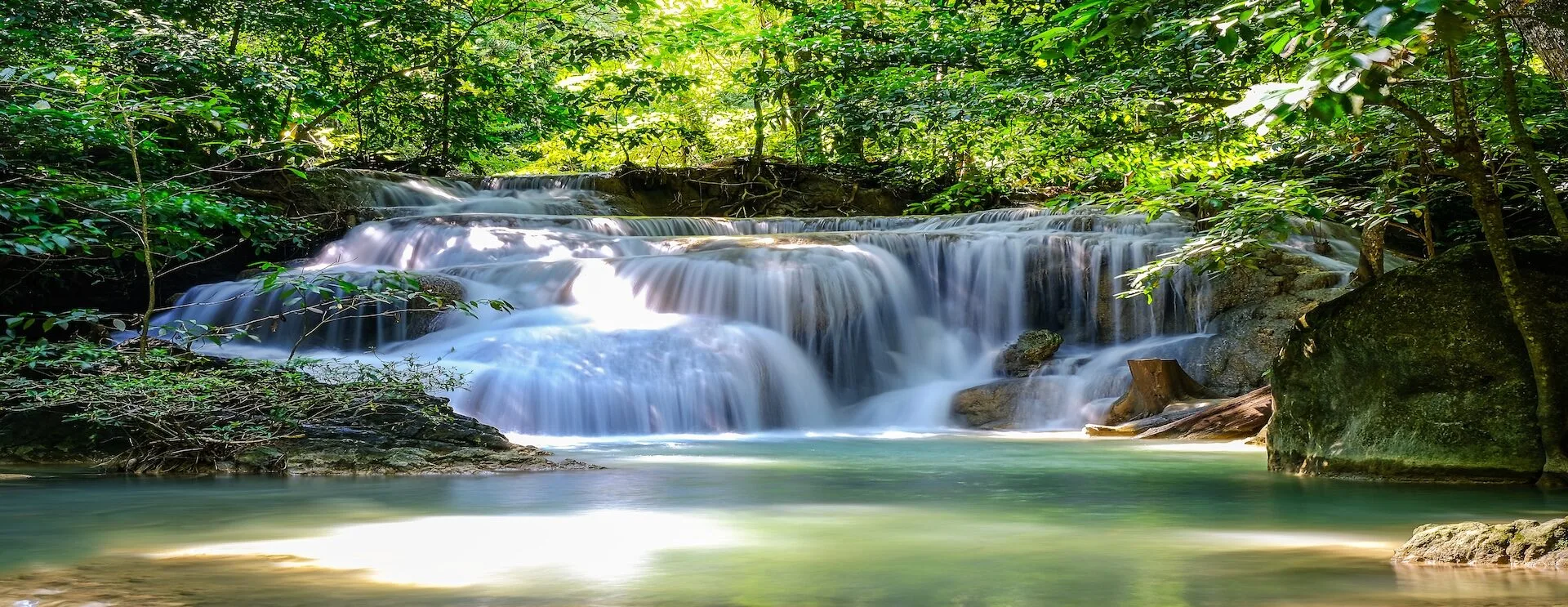
For a day on the water, the standout is Ang Thong National Marine Park — a cluster of 42 islands of emerald lagoons, limestone cliffs and quiet beaches, reached by an organised boat trip with snorkelling, kayaking and a viewpoint hike. Back on land, you can swap salt for fresh water at the Na Muang Waterfalls in the jungle-covered centre of the island, or wander the granite quirks of the Hin Ta and Hin Yai rocks near Lamai.
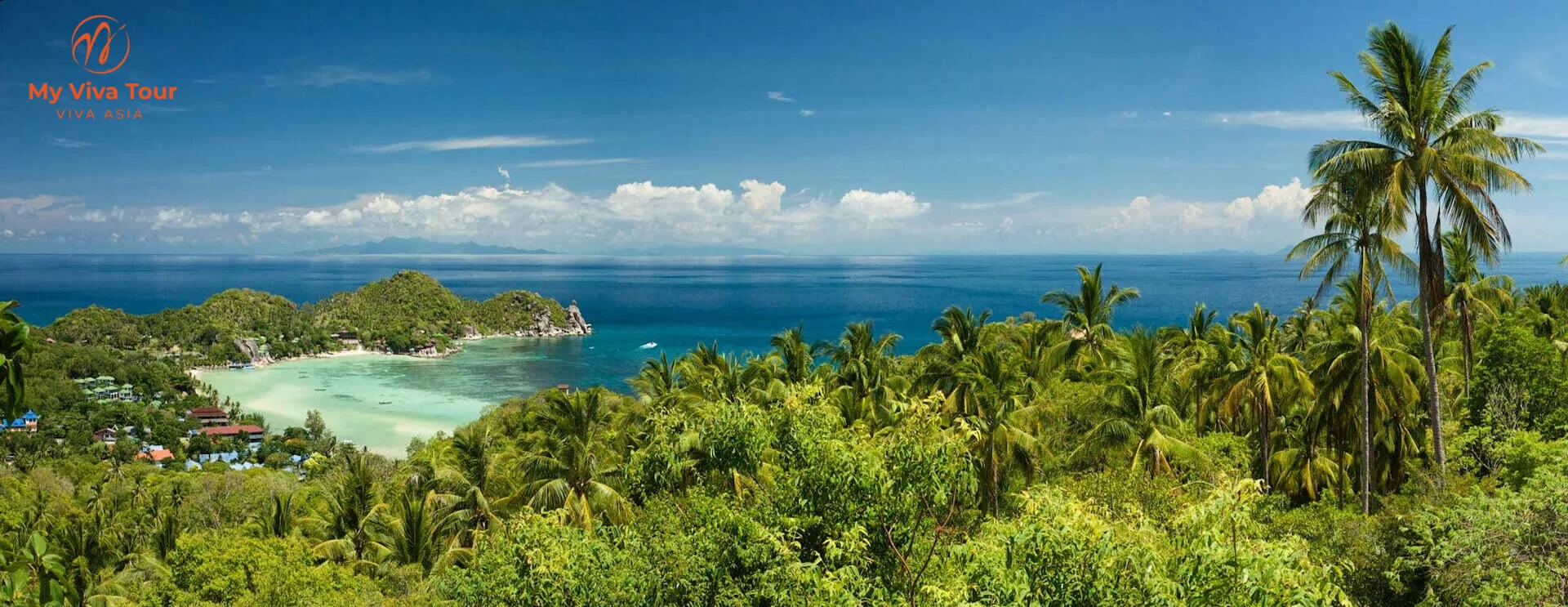
Ideal pacing: Day 1 — settle into Chaweng or Lamai, sunset at Fisherman’s Village · Day 2 — Big Buddha, Wat Plai Laem and Na Muang Waterfalls by car · Day 3 — full-day Ang Thong Marine Park boat trip.
A little history: from coconut island to Gulf escape
For most of its life Samui was a quiet fishing and farming island, and you still see why locals call it the coconut island — the groves run right up the hillsides, and coconut has long been the island’s bread and butter. Travellers only really found it in the 1970s, when backpackers began island-hopping across from the mainland and word spread about the beaches. The airport opened in 1989, and from there the change came quickly. Today Samui is one of Thailand’s best-known island holidays, yet step inland past the resorts and the older, slower island is still very much there.
When is the best time to visit Koh Samui?
Here is the thing that catches a lot of first-timers out: Samui runs on a different weather clock to the Andaman coast. While places like Phuket and the west-coast islands get their wet weather mid-year, the Gulf of Thailand stays comparatively warm and dry through May to September. That makes Samui a smart pick for a Southern Thailand summer escape when the other coast is grey.
The clearest, calmest stretch overall is December to March, with February and March the driest of all — blue skies, gentle seas and easy boat days. The season to plan around is the other end of the year: the northeast monsoon brings the island’s heaviest rain in October and November, and November is the wettest month by a wide margin. It rarely rains all day even then, but seas get choppy and some boat trips pause, so if you are set on Ang Thong, give the late-year weeks a miss.
Most travellers reach Samui by a short flight from Bangkok — roughly an hour and a bit — or by combining a mainland flight to Surat Thani with a ferry across. Whichever way you come, it pairs neatly with a few days first in Bangkok before you slow right down on the island.
People, culture & etiquette in Koh Samui
Samui is laid-back and used to visitors, but it is still a Thai island with Buddhism at its centre, and a little courtesy goes a long way. At temples like the Big Buddha, cover your shoulders and knees, slip your shoes off where signs ask, and keep your voice down near people who are praying. Always treat images of the Buddha with respect — don’t climb on them for photos.
A couple of everyday habits smooth things over: a small bow with your palms together (the wai) is a warm way to greet or thank someone, and the head is considered the most sacred part of the body, so avoid touching anyone’s, even a child’s. Beachwear is fine on the sand, but cover up a touch when you head into shops, temples or local restaurants away from the resorts.
What food should you try in Koh Samui?
Being a Gulf island, Samui does seafood beautifully — grilled fish, prawns and squid pulled in that day, often served simply with lime, chilli and garlic at the beachside spots. Southern Thai cooking leans richer and spicier than the north, so look for a proper massaman curry and the punchy yellow southern curries. And because this is the coconut island, coconut finds its way into everything from curries to the cool drink you crack open straight from the husk.
The most enjoyable place to graze is the Friday night market at Fisherman’s Village in Bophut, where the old wooden shophouses fill with food stalls, mango sticky rice and live music by the water. For the genuinely good local kitchens away from the tourist strips, ask your My Viva Tour guide — that is exactly the kind of tip that turns a nice meal into a memorable one.
Koh Samui travel guide: know before you go
- Best time: December–March for dry, calm weather; May–September is a good-value drier window when the Andaman coast is wet; avoid October–November rains if you can.
- What to wear: light, breathable clothes and swimmers, plus one set of shoulder-and-knee cover for temples; reef-safe sunscreen and a hat.
- Getting around: the island has one main ring road; songthaew shared trucks, metered-ish taxis and hotel transfers are easiest. Be cautious with scooters if you are not experienced.
- Etiquette: dress modestly at temples, remove shoes where asked, and keep beachwear for the beach.
Koh Samui travel guide FAQs
Is Koh Samui worth visiting?
Yes. Koh Samui blends easy, swimmable beaches with real island character — temples, jungle waterfalls and a famous marine park day trip — and it is simple to reach from Bangkok. It suits couples, families and first-time island travellers who want comfort without giving up things to see.
How many days do you need in Koh Samui?
Three to four days is a comfortable first visit: enough for beach time, the Big Buddha and inland sights, and a full day out at Ang Thong Marine Park. Stretch to five or more if you want to truly unwind or add a side trip to neighbouring Koh Phangan or Koh Tao.
When is the best time to visit Koh Samui?
December to March brings the driest, calmest weather, with February and March the driest of all. Unusually for Thailand, Samui also stays fairly dry from May to September, so it is a good mid-year option. The wettest, choppiest months are October and November.
Do you need to cover up at Koh Samui’s temples?
Yes. At temples such as the Big Buddha, cover your shoulders and knees and remove your shoes where signs indicate. Beachwear is fine on the sand but not at temples, and you should always treat Buddha images respectfully.
What food is Koh Samui known for?
Fresh Gulf seafood, rich southern Thai curries like massaman, and anything made with the island’s coconut. The Friday night market at Fisherman’s Village in Bophut is the best spot to try a wide spread in one evening.
Why Koh Samui stays with me
What I love about planning a Samui trip is how little it asks of you once you arrive. The first morning always sets the tone — coffee somewhere with the sea in view, no rush, the day loosely shaped rather than scheduled. My own favourite afternoon was the long boat back from Ang Thong, salty and sun-tired, the limestone islands going gold behind us. It is the kind of place where the gaps between the sights end up being the bit you remember.
If you have been to Samui, I would love to hear which beach or bay won you over — drop it in the comments below so the next traveller reading this gets your tip too.
See Koh Samui with My Viva Tour
Samui slots easily into a wider Thailand trip, whether you have a week or a fortnight. Browse the full Koh Samui travel guide and updates, then see how the island fits a longer route on our week-long Thailand itinerary or the more in-depth 18-day Amazing Thailand tour. Chasing more beaches and limestone scenery? Pair it with our Krabi travel guide on the Andaman side. Tell our team your dates and we will shape a relaxed island stretch around them.
Travel notes fact-checked: June 2026.