Phnom Penh Travel Guide: Royal Palace, Best Time to Visit & Tips
Last updated: June 26, 2026
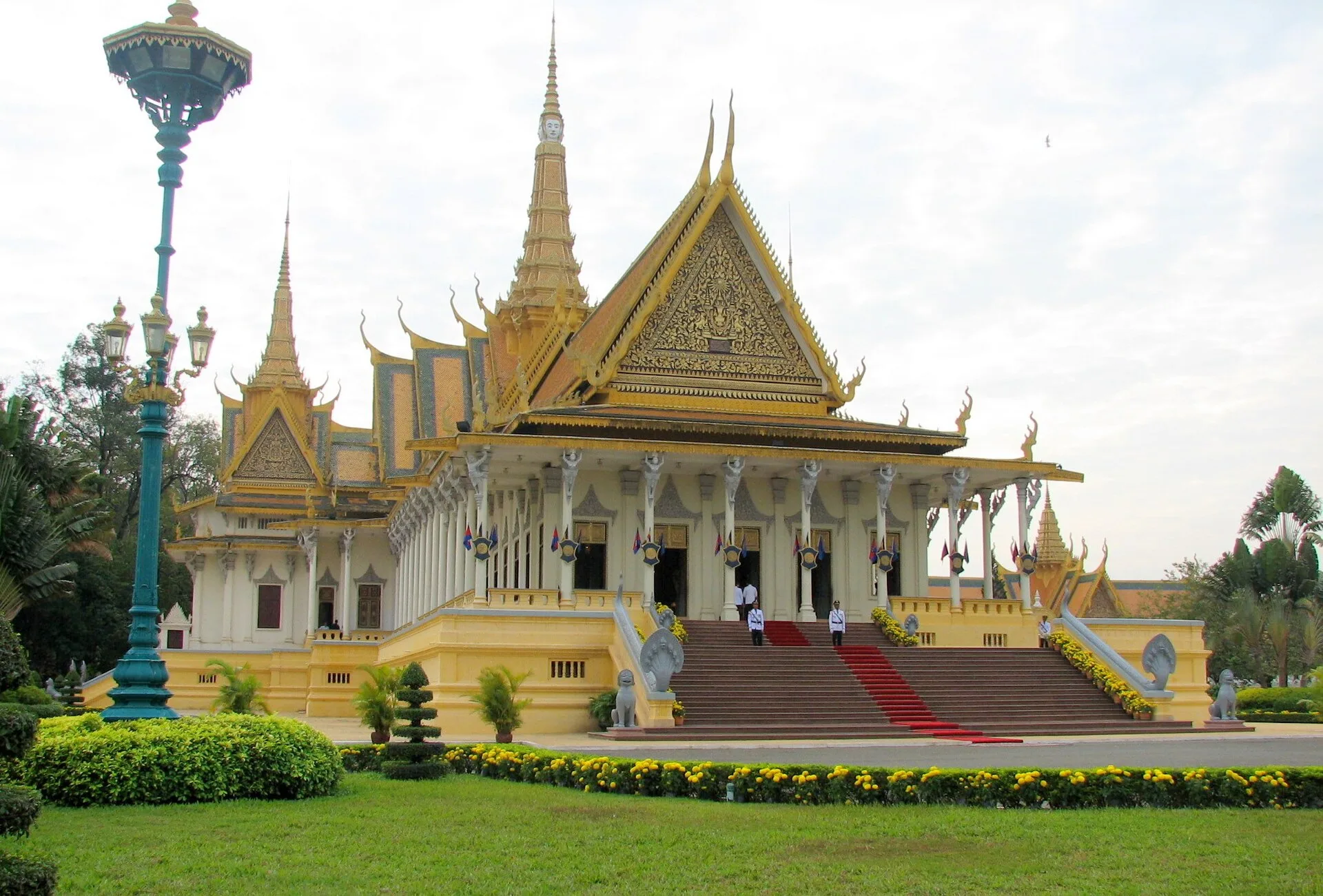
This Phnom Penh travel guide is for travellers who want Cambodia’s capital made simple — what to see, when to come, and how to take it gently in the heat. Phnom Penh sits where three rivers meet, and it holds both the gilded Royal Palace and the country’s most sobering history within a short tuk-tuk ride of each other. Give it two unhurried days and it rewards you.
Quick answer: Phnom Penh is best for travellers who want riverfront strolls, the golden Royal Palace and Silver Pagoda, and an honest reckoning with Cambodia’s recent history at Tuol Sleng and the Killing Fields. The best time to visit Phnom Penh is the cool, dry stretch from November to February. First-timers should allow time for the Royal Palace, the National Museum, a Sisowath Quay sunset and the Choeung Ek and Tuol Sleng memorials.
- Country: Cambodia (the capital and largest city)
- Best time: November–February — dry, and as cool as it gets
- Known for: the Royal Palace & Silver Pagoda, Wat Phnom, the riverfront, Tuol Sleng & Choeung Ek, fish amok
- Good for: first-time Cambodia travellers, history-minded visitors, easy city stays, a gateway to Siem Reap
In this guide: Things to do · History · Best time · Culture · Food · Tips · FAQs
What are the best things to do in Phnom Penh?
Start where the city began — the Royal Palace, still the official home of Cambodia’s king. The Throne Hall’s golden spire is the photo everyone takes, but the quiet star is the Silver Pagoda next door, named for its floor of around 5,000 gleaming silver tiles. Dress modestly here (shoulders and knees covered) and you’ll glide straight in.
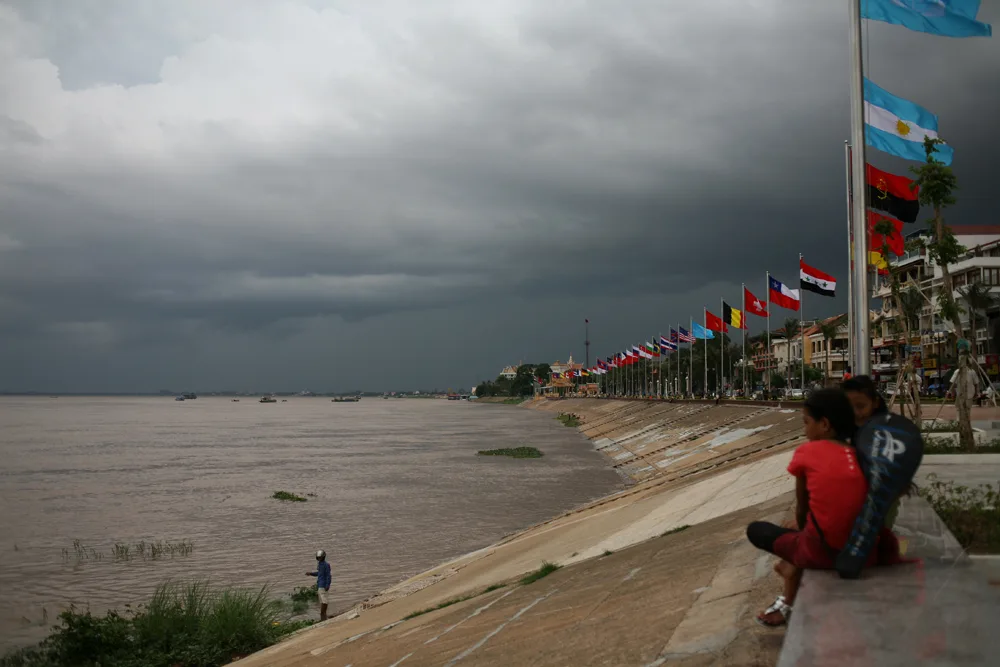
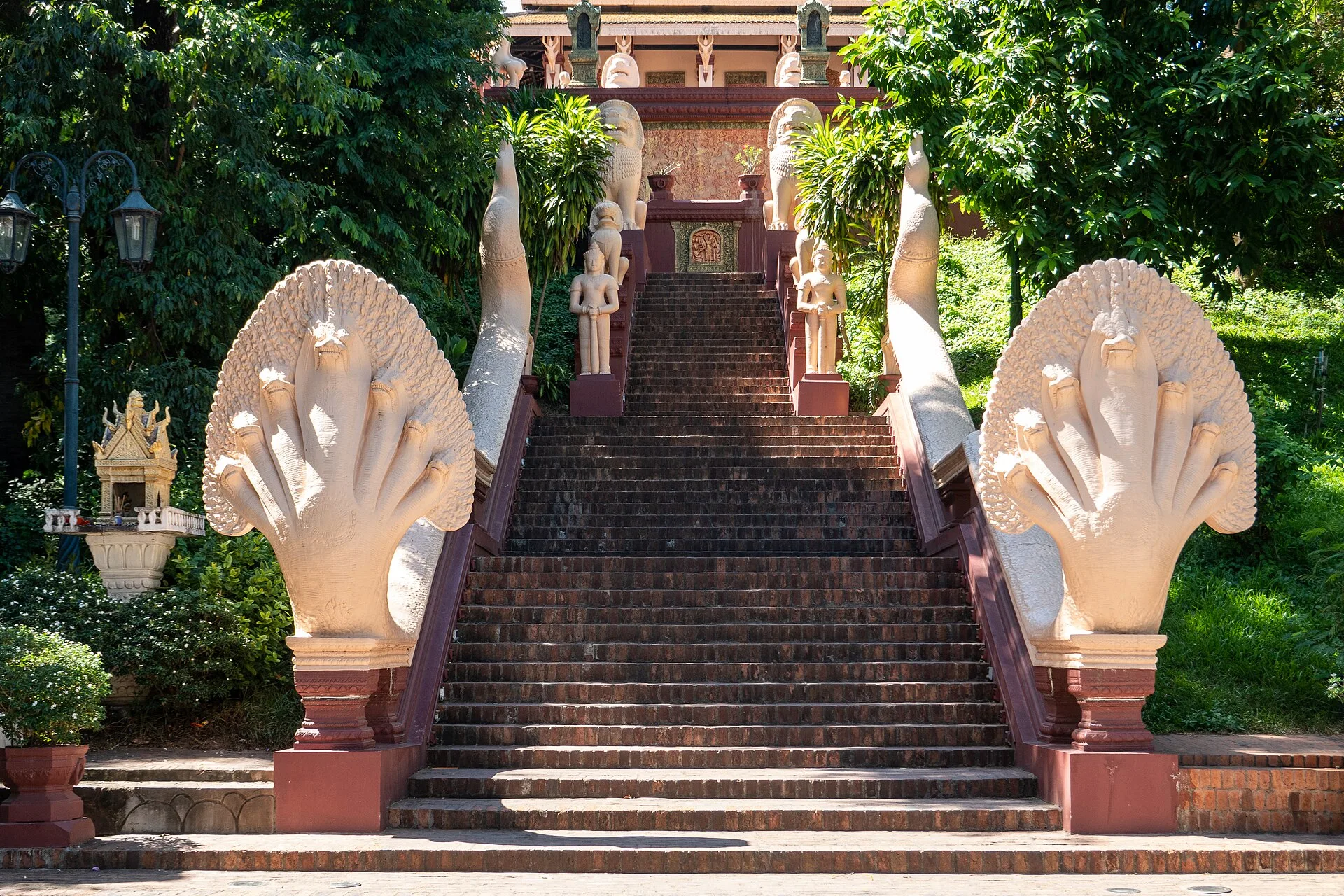
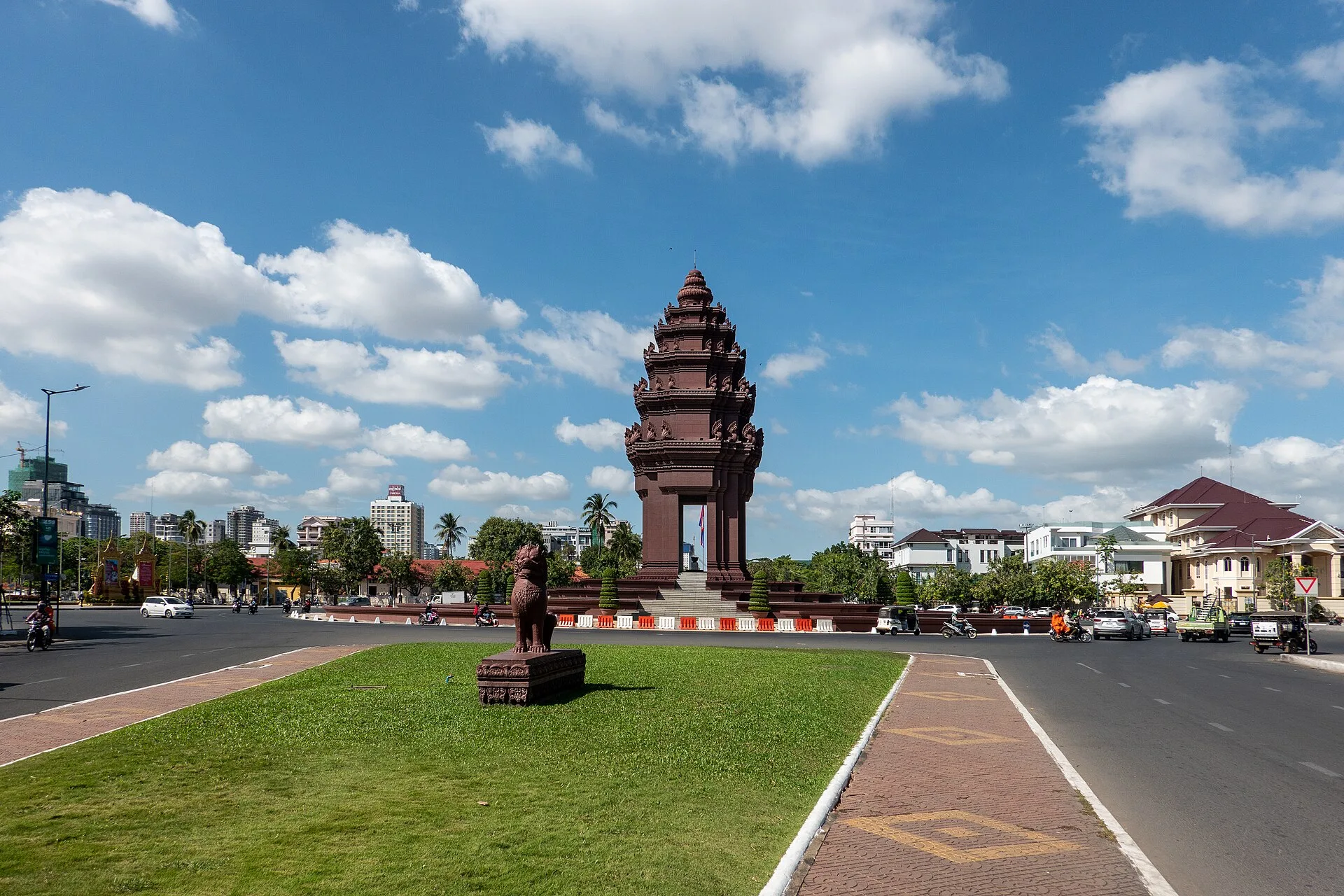
A short walk away, the National Museum of Cambodia holds one of the world’s great collections of Khmer art — the terracotta building alone is worth the entry. For a calmer hour, climb the little hill to Wat Phnom, the temple that gave the city its name, then spend the late afternoon along Sisowath Quay, the riverside promenade where the day cools and locals come out to walk. The Independence Monument, a deep-red lotus tower from 1958, anchors the boulevards in between.
Two places ask for your respect rather than your camera. Tuol Sleng — the S-21 prison, once a high school — and the Choeung Ek Killing Fields about 15 kilometres south. They’re hard. But they explain modern Cambodia better than anything else you’ll see here, and the audio guides are worth every minute.
Comfort tip: Pair the two hardest visits — Tuol Sleng and Choeung Ek — into one early morning while it’s cooler, then keep the afternoon gentle with the river and a long iced coffee. Your head and your feet will both thank you.
A little history: from river legend to capital
The city’s name comes from a legend. The story goes that a wealthy widow named Penh found sacred statues in a koki tree by the river in the late 1300s and raised a small hill — phnom — to house them. That hill is Wat Phnom, and the city grew around it.
Phnom Penh became Cambodia’s capital in 1865 under King Norodom, who moved the royal seat here from Oudong. The French colonial decades left the wide boulevards and shophouses you still walk today. Then came the darkest chapter. On 17 April 1975 the Khmer Rouge captured the city and emptied it, marching residents into the countryside. The regime led by Pol Pot is estimated to have caused the deaths of between 1.5 and 2 million Cambodians before Vietnamese forces took the city in January 1979. Understanding this is part of why a visit here matters.
When is the best time to visit Phnom Penh?
Cambodia has a tropical monsoon climate, so it’s really two seasons. The dry season runs roughly November to April, and the wet season May to October. For sightseeing, the sweet spot is November to February — still warm, but the most comfortable, with lower humidity and bright skies.
March to May is the hottest stretch, when the midday heat can be punishing for temple-hopping. The wet-season months bring short, heavy afternoon downpours rather than all-day rain, and the city looks lush and green — just carry a poncho and plan indoor visits for the afternoons. Coming from Sydney or Melbourne, you’ll find even the “cool” season warm, so pack light, breathable clothes whenever you travel.
Comfort tip: Whatever the month, do your big walking and your museums before about 11am, rest through the fierce midday sun, then head back out after 4pm when the riverfront comes alive. It’s how locals pace their day, too.
People, culture & etiquette in Phnom Penh
Khmer is the official language, and Theravada Buddhism shapes daily life for the overwhelming majority of Cambodians — you’ll see saffron-robed monks at dawn and small offerings at shopfront shrines. People are warm and unhurried, and a little courtesy goes a long way.
The traditional greeting is the sampeah — palms pressed together with a slight bow. At temples and the Royal Palace, cover your shoulders and knees, remove your shoes where asked, and keep your voice down. It’s polite to ask before photographing monks or people. At the genocide memorials, dress and behave as you would at any place of mourning.
What food should you try in Phnom Penh?
Khmer food is gentler and less fiery than its Thai neighbour, built on fresh herbs, lime and fish. The dish to try first is fish amok — a mild, fragrant coconut curry steamed soft in a banana leaf. Ask your MyVivaTour guide for the best local spots; the version at a good Khmer kitchen is a world away from the tourist-strip one.
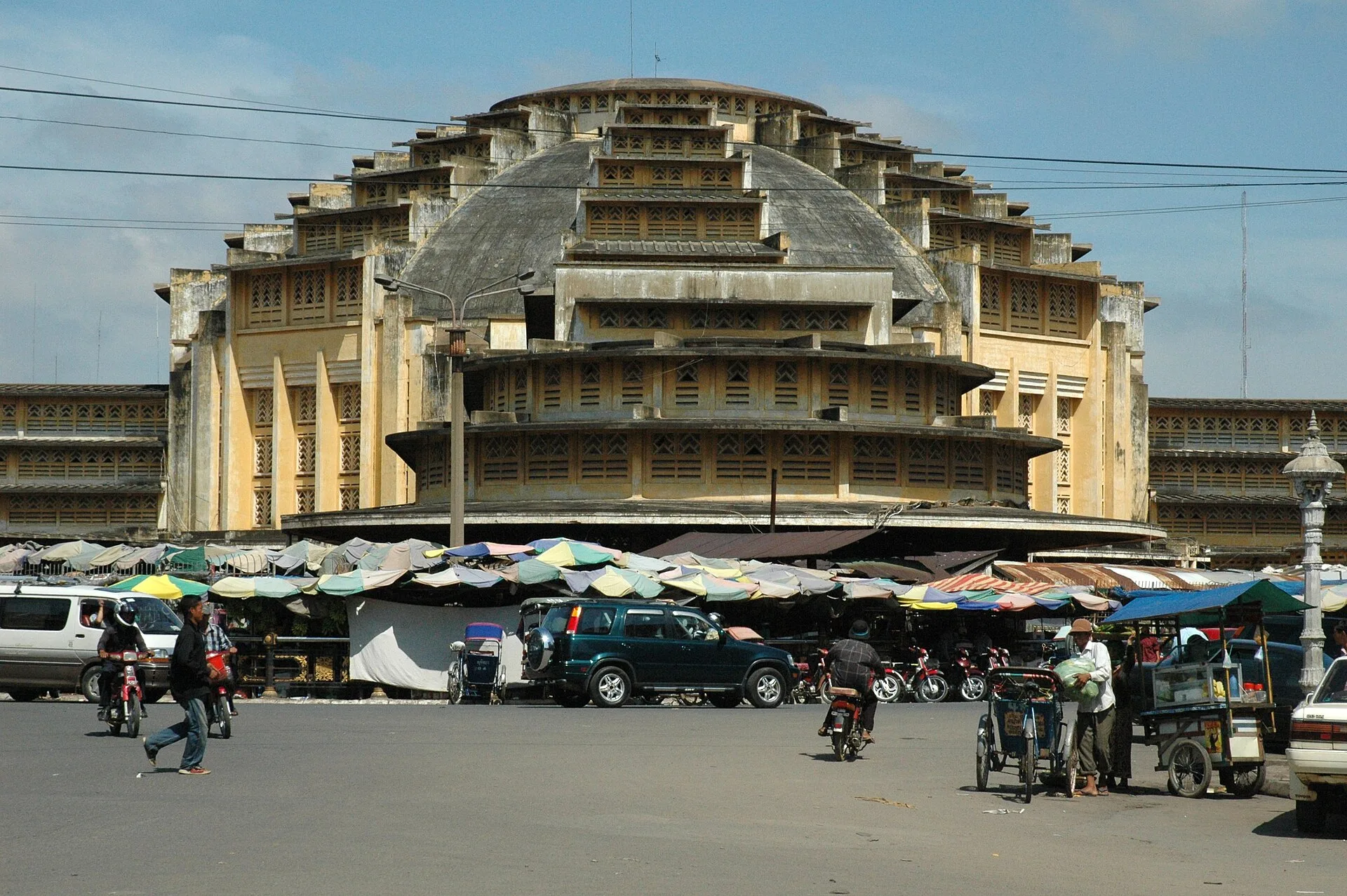
Beyond amok, look for kuy teav, the morning rice-noodle soup that locals queue for, and a warming Khmer red curry. The markets are half the fun — wander the stalls around the Art Deco Central Market (Phsar Thmei) for tropical fruit, grilled snacks and an iced Khmer coffee. As ever, eat where it’s busy and freshly cooked, and your guide can point you to the stalls worth the detour.
Phnom Penh travel guide: know before you go
- Best time: November–February for cool, dry days; avoid the March–May peak heat if you can.
- What to wear: light, breathable clothes, plus a scarf or shirt to cover shoulders and knees for temples and the Royal Palace.
- Getting around: tuk-tuks and ride-hailing apps cover the city cheaply; the centre is walkable in the cooler hours.
- Money: the currency is the Cambodian riel, but US dollars are accepted almost everywhere — carry small notes, and you’ll often get riel as change.
- Etiquette: dress and act respectfully at Tuol Sleng and Choeung Ek; ask before photographing people or monks.
Phnom Penh travel guide FAQs
Is Phnom Penh worth visiting?
Yes. It pairs Cambodia’s grandest sights — the Royal Palace and Silver Pagoda — with its most important history at Tuol Sleng and the Killing Fields, plus an easy riverfront to wind down on. Two days is enough to do it justice.
How many days do you need in Phnom Penh?
Two full days suits most travellers: one for the Royal Palace, National Museum and riverfront, and one for Tuol Sleng and Choeung Ek with time to reflect. Add a third day if you want a slower pace or a market morning.
What is the best time to visit Phnom Penh?
November to February — the cool, dry months with bright skies and lower humidity. March to May is the hottest, and May to October brings short, heavy afternoon rains but lush green scenery.
How far is Phnom Penh from Siem Reap?
Siem Reap and the temples of Angkor are roughly 315 kilometres north — about a five-to-six-hour drive, or a short domestic flight of under an hour. Many travellers pair the two cities into one Cambodia trip.
What food is Phnom Penh known for?
Fish amok — a mild coconut curry steamed in banana leaf — is the signature dish. You’ll also find kuy teav noodle soup, Khmer red curry, and busy market food around Phsar Thmei. Khmer cooking is fresh and milder than Thai.
Why Phnom Penh stays with me
What stayed with me wasn’t the gold of the palace — it was the riverfront at dusk. The heat finally eases, families drift down to Sisowath Quay, and the whole city seems to exhale together. After a morning at the memorials, that quiet hour by the water felt like the city gently catching its breath, and me with it.
Over to you: what about you? If Phnom Penh is already part of your travel story, tell me in the comments below — I’d love to hear what stayed with you.
See Phnom Penh with My Viva Tour
Most travellers fold Phnom Penh into a wider Cambodia trip — and that’s where it shines. Our Cambodia Major Sites 5-day tour links the capital with Angkor, while the longer Explore Cambodia 9-day tour gives the country room to breathe. Temple lovers can add our Explore Angkor Complex 4-day tour up north. For the other half of the journey, read our Siem Reap travel guide, or browse everything tagged in our Phnom Penh destination collection. Tell us how you like to travel and we’ll shape the pace around you.
Travel notes fact-checked: June 2026.