Phu Quoc Travel Guide: Beaches, Best Time and Things to Do
Last updated: August 15, 2026

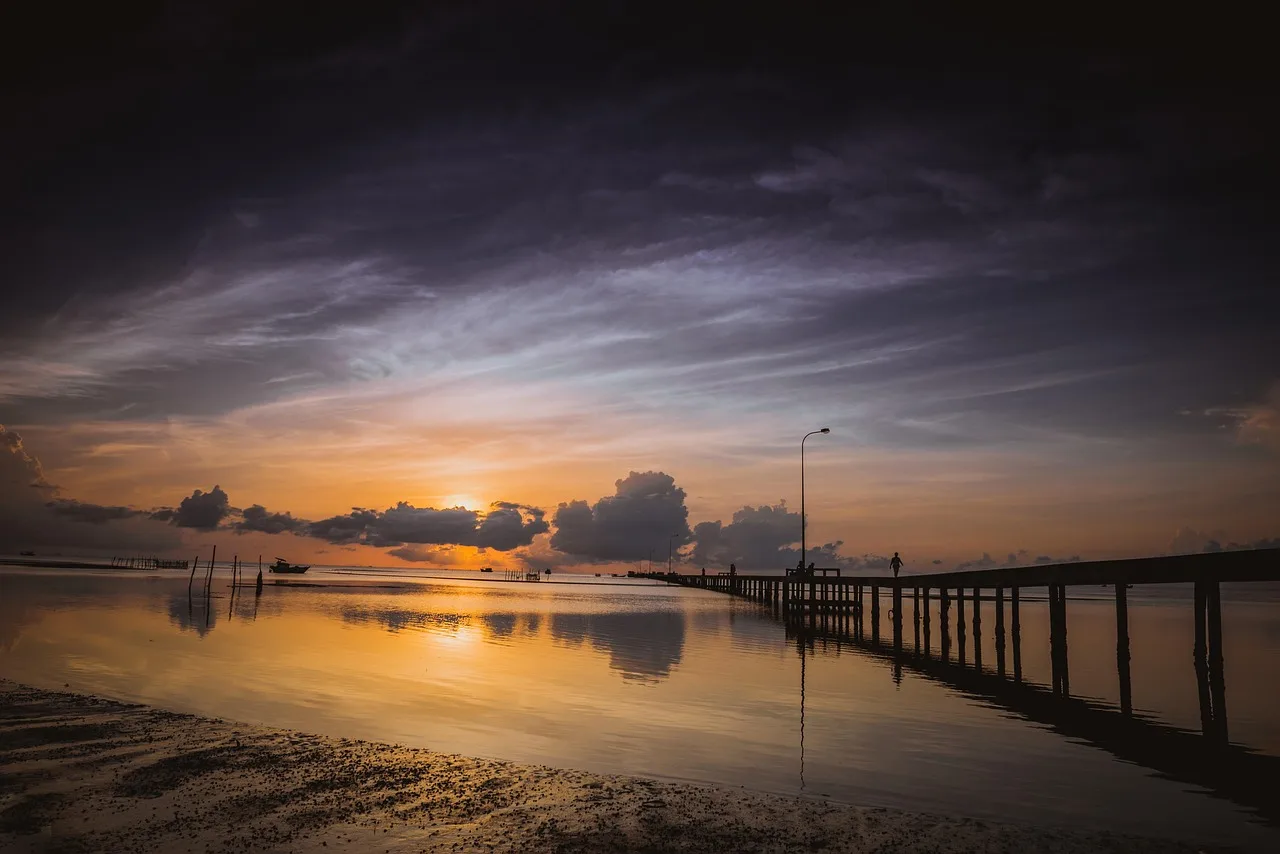
The boats switch their lamps on at dusk, and the whole west coast turns the colour of a ripe mango.
This Phu Quoc travel guide is for anyone who wants Vietnam with the volume turned down. The island sits in the Gulf of Thailand off the country’s south-west corner: long golden beaches down one side, forested hills through the middle, fishing jetties and pepper vines everywhere in between. It is the easiest beach week Vietnam offers Australian travellers — and the one most people wish they had given a few more nights.
Quick answer: Phu Quoc suits travellers who want warm, calm swimming beaches, easy island-hopping and very good seafood without a long overland journey. The best time to visit Phu Quoc is the dry season, roughly November to April, when the sea is calm and rain is rare. First-time visitors should allow time for Sao Beach, a snorkelling run through the An Thoi islands, and the cable car across to Hon Thom. Four or five nights is the usual stay; a week lets you reach the forested north as well.
- Country: Vietnam — an island in the Gulf of Thailand, off the south-west coast
- Best time: November to April, for calm seas and reliable sunshine
- Known for: Sao Beach, Long Beach sunsets, the Hon Thom cable car, fish sauce and black pepper
- Good for: Beach holidays, families, snorkellers, couples, anyone travelling slowly
In this guide: Things to do · History · Best time · Culture · Food · Tips · FAQs
What are the best things to do in Phu Quoc?
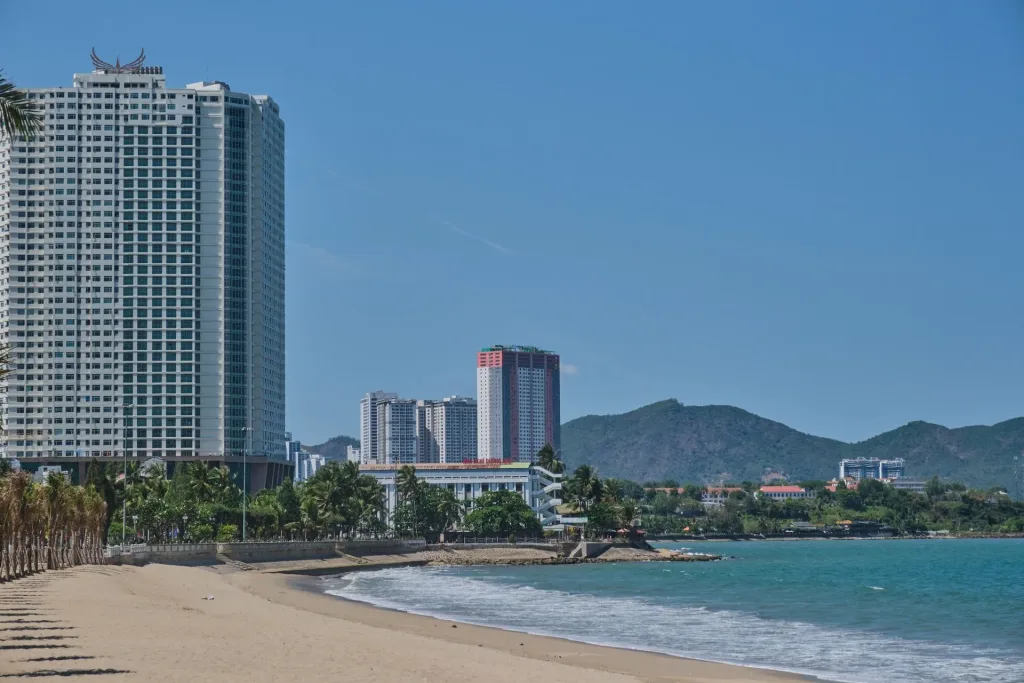
Start with the beaches, because they are genuinely different from one another. Sao Beach, on the south-east coast, is the one that turns up on postcards — fine white sand and shallow, clear water that stays warm all day. Long Beach runs about twenty kilometres down the west coast, with softer golden sand and the island’s best sunsets. If you only have a couple of days, split them: mornings on the east, evenings on the west.
Out beyond the southern tip, the An Thoi archipelago scatters roughly eighteen small islands across the water. Boat trips run out most dry-season mornings for snorkelling, swimming and a lunch cooked on deck. That is the day people tell us about afterwards.
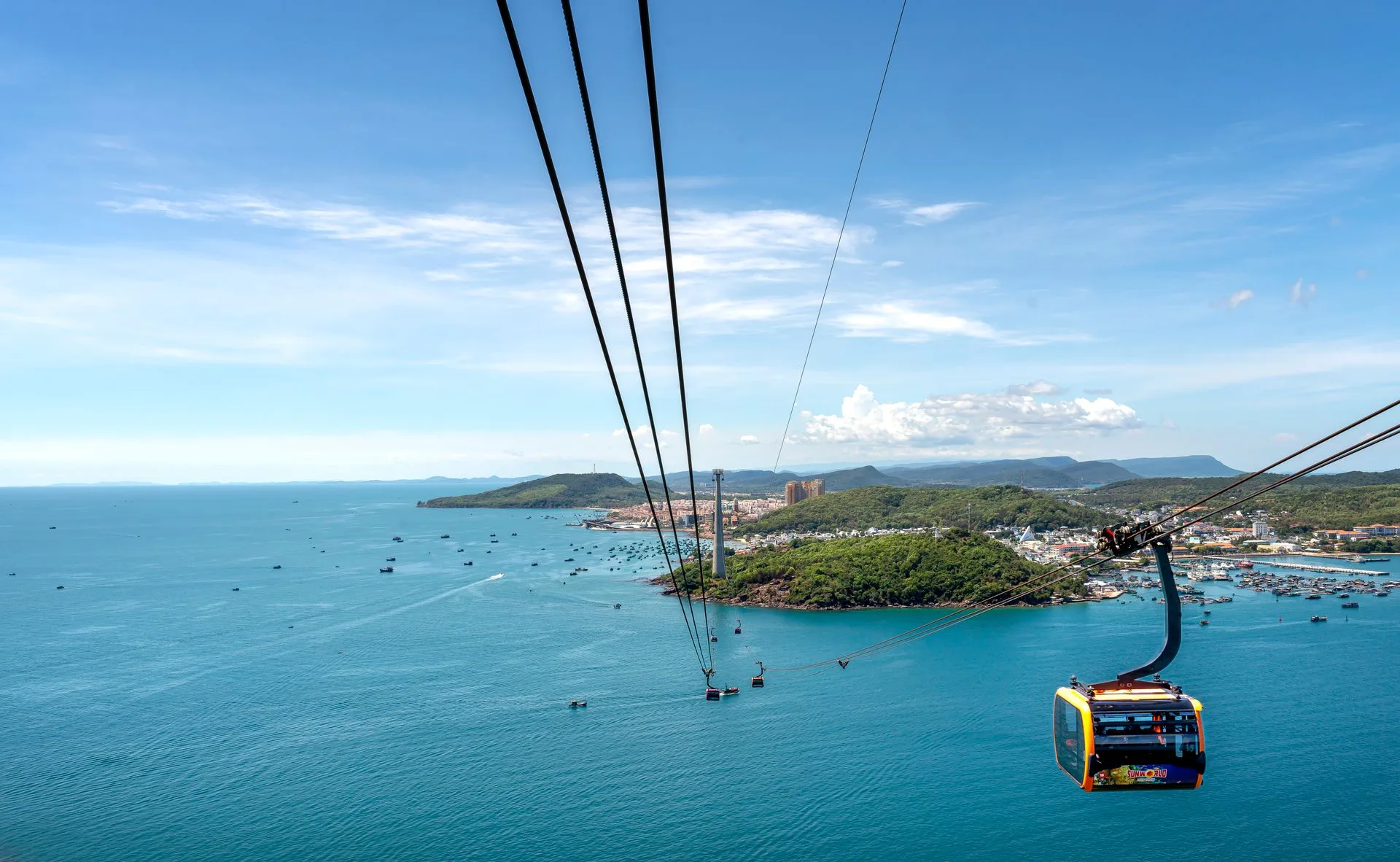
The other headline is the Hon Thom cable car. At 7,899.9 metres it holds the Guinness World Record as the longest non-stop three-rope cable car, and it has been running since February 2018. The crossing takes around fifteen minutes from An Thoi, drifting over Hon Roi and Hon Dua and a working harbour full of fishing boats. Sit on the left going out.
Inland, Phu Quoc National Park covers more than 31,000 hectares — over half the island — across the north and north-east, with dipterocarp forest, mangroves and quiet dirt roads worth a half-day. Back in Duong Dong, the Dinh Cau shrine sits on the rocks at the river mouth and fills up in the last hour before sunset, and the night market on Bach Dang Street starts trading in the early evening. Add a working fish sauce house and a pepper farm if you want to understand what the island actually lives on, and the Coconut Tree Prison museum if you want the harder history.
A little history: an island of refuge, pepper and hard years
Phu Quoc spent centuries as a frontier — close enough to the mainland to matter, far enough out to be a place people ran to. The settler Mac Cuu opened up the Ha Tien region in the late 1600s and brought the island into his domain; in 1708 he acknowledged the authority of Vietnam’s Nguyen lords, and Phu Quoc has been Vietnamese ever since.
In 1777 the island sheltered Prince Nguyen Anh, hunted during the Tay Son uprising and later crowned Emperor Gia Long. Under French rule the mineral-rich soil was planted out with pepper, which is still growing in tidy rows today.
The harder chapter is at Cay Dua, in the island’s south. The French built a prison camp there in 1946; it was later expanded and held roughly 32,000 prisoners between 1967 and 1973. It was recognised as a National Historic Relic in 1995 and now runs as a museum. It is a confronting hour, and worth it.
When is the best time to visit Phu Quoc?
Phu Quoc has two seasons and they behave predictably. The dry season runs roughly November to April: light winds, flat water, and day after day of sun. The wet season runs about May to October, with the heaviest rain from July to September — usually short, hard afternoon downpours rather than all-day grey.
Heat is steady rather than extreme. Daytime highs sit around 30–32°C for most of the year, climbing towards 33–35°C on the hottest April and May afternoons. Bring reef-safe sunscreen and expect to be in the water a lot.
| Season | Weather | Good for | Crowds |
|---|---|---|---|
| Peak dry (Nov–Feb) | Highs around 30–31°C, very little rain, calm sea | Swimming, snorkelling, island-hopping, the cable car | Busiest — book well ahead |
| Late dry (Mar–Apr) | Bright and hot, highs pushing 33–35°C by late April | Early starts, long beach afternoons, clear water | Easing off — March is the sweet spot |
| Early wet (May–Jul) | Warm and humid with short, heavy afternoon rain | Green forest, emptier sand, better room rates | Light |
| Peak wet (Aug–Oct) | Wettest stretch; the west coast can get choppy | Resort time, spas, long lunches, island food | Quietest of the year |
Planning tip: if you want the island at its calmest, aim for the shoulder weeks in early November or March — dry-season water, without the December-to-February crowd. Tell us your dates and we will build the rest around them.
People, culture and etiquette on Phu Quoc
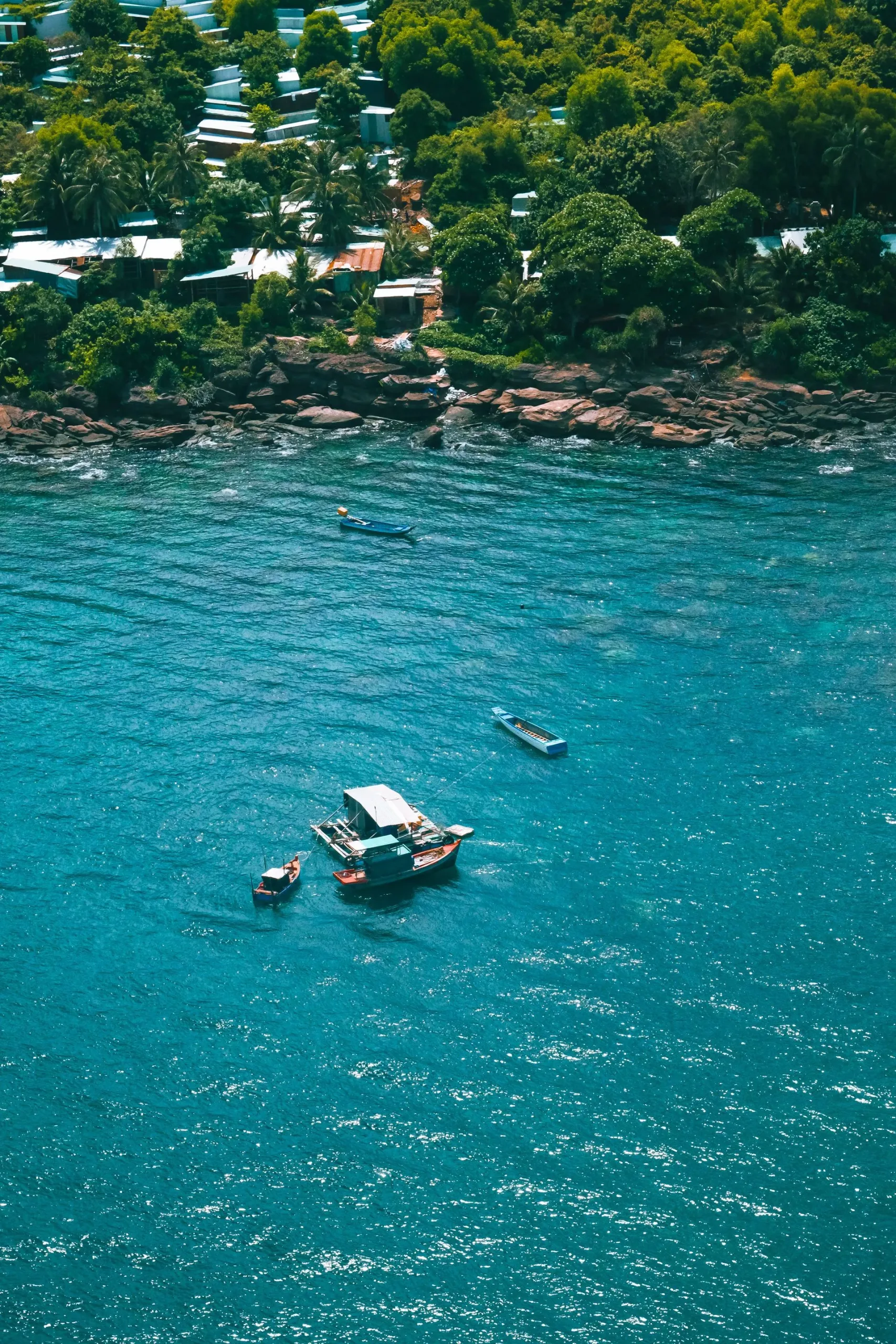
For all the new resorts, this is still a fishing island. Boats go out before light, the harbours smell of anchovy, and a lot of families work in fish sauce, pepper or pearls. Islanders mix Buddhism with Vietnamese folk belief and ancestor worship, and the fishing community keeps the whale-worship tradition alive at Lang Ong Nam Hai in Duong Dong, where the Nghinh Ong festival is held each year to honour the sea spirits that look after the fleet.
Etiquette here is not complicated. Cover your shoulders and knees at shrines, take your shoes off where you see others doing it, and keep swimwear for the beach rather than the town. Ask before you photograph people at work. A smile and a gesture at the camera is usually all it takes. And if you meet a lean, muscular dog with a stripe of hair growing the wrong way up its spine, that is the Phu Quoc Ridgeback, a local breed and a genuine island point of pride.
What food should you try in Phu Quoc?
The dish to order first is goi ca trich — raw herring cured in lime juice, tossed with shredded coconut, onion, chilli and herbs, then rolled into rice paper and dipped in fermented anchovy sauce. It is fresh, sharp and completely of this place.
After that: Ham Ninh crab, the blue swimmer crab landed at the old fishing village on the east coast and usually steamed and served with salt, pepper and lime. Grilled scallops, sea urchin and snails come out of the charcoal at the night market. And the island’s fish sauce deserves its reputation — made from anchovies caught in the surrounding waters, aged in wooden vats, and the first Vietnamese product ever granted Protected Designation of Origin status by the European Union, in 2013.
Round it off with sim wine, a sweet ruby-coloured drink pressed from rose myrtle berries that grow wild across the island, and take home a bag of Phu Quoc black pepper, hand-picked between November and February. For the small family kitchens that never make it onto a map, ask your My Viva Tour guide for the best local spots — that is where the good crab is.
Phu Quoc travel guide: know before you go
- Best time: November to April for calm, clear water; March is the value pick.
- Getting there: there is no non-stop service from Sydney or Melbourne — Australians connect through Ho Chi Minh City or Hanoi, then take a short domestic hop to Phu Quoc International Airport.
- Visas: visitors of all nationalities may stay up to 30 days on Phu Quoc without a visa if they arrive directly from an international destination and remain on the island. Since 1 June 2026 an online pre-arrival declaration is also required. Rules change — confirm with your airline or the Vietnamese embassy before you fly, and we will check it with you when we book.
- What to wear: light cotton and linen, a hat, reef-safe sunscreen, a rain shell between May and October, and something with sleeves for shrine visits.
- Getting around: the island is bigger than it looks. Most travellers use a private car with a driver for day trips, and taxis or ride apps around Duong Dong.
- Money and manners: carry some cash for markets and small kitchens, and greet shopkeepers before you start bargaining — it changes the whole exchange.
Phu Quoc travel guide FAQs
Is Phu Quoc worth visiting?
Yes, if you want beach time rather than sightseeing. Phu Quoc has the warmest, calmest swimming water in Vietnam, good snorkelling in the An Thoi islands, and enough forest, food and history to fill the days you are not on the sand. It pairs well with a few days in Ho Chi Minh City.
How many days do you need in Phu Quoc?
Four or five nights is the usual stay and covers the main beaches, an island-hopping day and the cable car. A full week is better if you also want the national park in the north, the pepper farms and a slow day or two doing nothing at all.
When is the best time to visit Phu Quoc?
The dry season, roughly November to April. Seas are calm, rain is rare and boat trips run reliably. November and March are the quieter ends of that window. The wet season, May to October, is warm and green with short heavy afternoon downpours and much lower rates.
Do Australians need a visa for Phu Quoc?
Travellers of all nationalities can stay on Phu Quoc for up to 30 days without a visa, provided they arrive directly from an international destination and stay only on the island. An online pre-arrival declaration has been required since 1 June 2026. If you plan to continue to the mainland you will need a visa or e-visa, so check the current rules with your airline or the Vietnamese embassy before travelling.
What food is Phu Quoc known for?
Goi ca trich, a lime-cured raw herring salad rolled in rice paper; Ham Ninh blue swimmer crab; grilled seafood at the Duong Dong night market; sim wine made from rose myrtle berries; and the island’s famous anchovy fish sauce and hand-picked black pepper.
Why Phu Quoc stays with me
What stayed with me was not Sao Beach, lovely as it is. It was the last twenty minutes on the cable car coming back from Hon Thom, when the light drops and the whole harbour below turns into lamps and moving water. Nobody on board says much. You just watch the fleet go out.
I have been to plenty of islands that photograph better than they feel. Phu Quoc is the other way around.
Over to you: what about you? If Phu Quoc is already part of your travel story, tell me in the comments below — I would love to hear what stayed with you.
See Phu Quoc with My Viva Tour
Our five-day Pearl Island Phu Quoc tour puts the whole trip on the island — the four-island speedboat run, the Hon Thom cable car and enough unscheduled beach time to matter. If you would rather see more of the country, the 12-day beach-relaxing holiday works Phu Quoc in after Hanoi and Ha Long Bay.
For a sense of how it goes in practice, read Teresa Bellis’s 13-day anniversary trip by the sea or Mrs Kim Cuc’s family return to Vietnam after 40 years. More island writing sits on our Phu Quoc destination page.
Tell us your dates and how much of the week you want planned, and we will do the rest.
Travel notes fact-checked: August 2026.