Ha Noi Travel Guide: Old Quarter, Temples & Best Time to Go
Last updated: July 26, 2026
Quick answer: This Ha Noi travel guide is for travellers who want centuries of history, lakeside temples and some of the best street food in Vietnam, all inside a compact, walkable Old Quarter. The best time to visit Ha Noi is generally autumn (September to November) or spring (March to April), when the heat and humidity ease off. First-time visitors should allow at least two to three days for the Old Quarter, Hoan Kiem Lake and the Temple of Literature before heading on to Ha Long Bay or Sapa.
If you’re building a first trip to northern Vietnam, this Ha Noi travel guide is where to start — the city’s Old Quarter, lakeside temples and street-corner pho stalls set the tone for everything that follows. Ha Noi has been a seat of power here for a thousand years, and it still feels like it: French villas lean over motorbike-filled lanes, incense drifts out of pagoda doorways, and every second corner has a plastic stool worth stopping at.
- Country: Vietnam
- Best time: September–November or March–April, for cooler, drier weather
- Known for: the Old Quarter, Hoan Kiem Lake, the Temple of Literature, pho and egg coffee
- Good for: history lovers, food travellers, and anyone starting a Ha Long Bay or Sapa trip
In this guide: Things to do · A little history · Best time to visit · Culture & etiquette · Food · Know before you go · FAQs
What are the best things to do in Ha Noi?
Ideal pacing: Day 1 — Old Quarter lanes and Hoan Kiem Lake at your own pace. Day 2 — the Temple of Literature in the morning, then the Ho Chi Minh Mausoleum complex before it gets hot. Day 3 — a day trip or the start of your onward route toward Ha Long Bay or Sapa. Three days lets you settle into the city instead of rushing it.
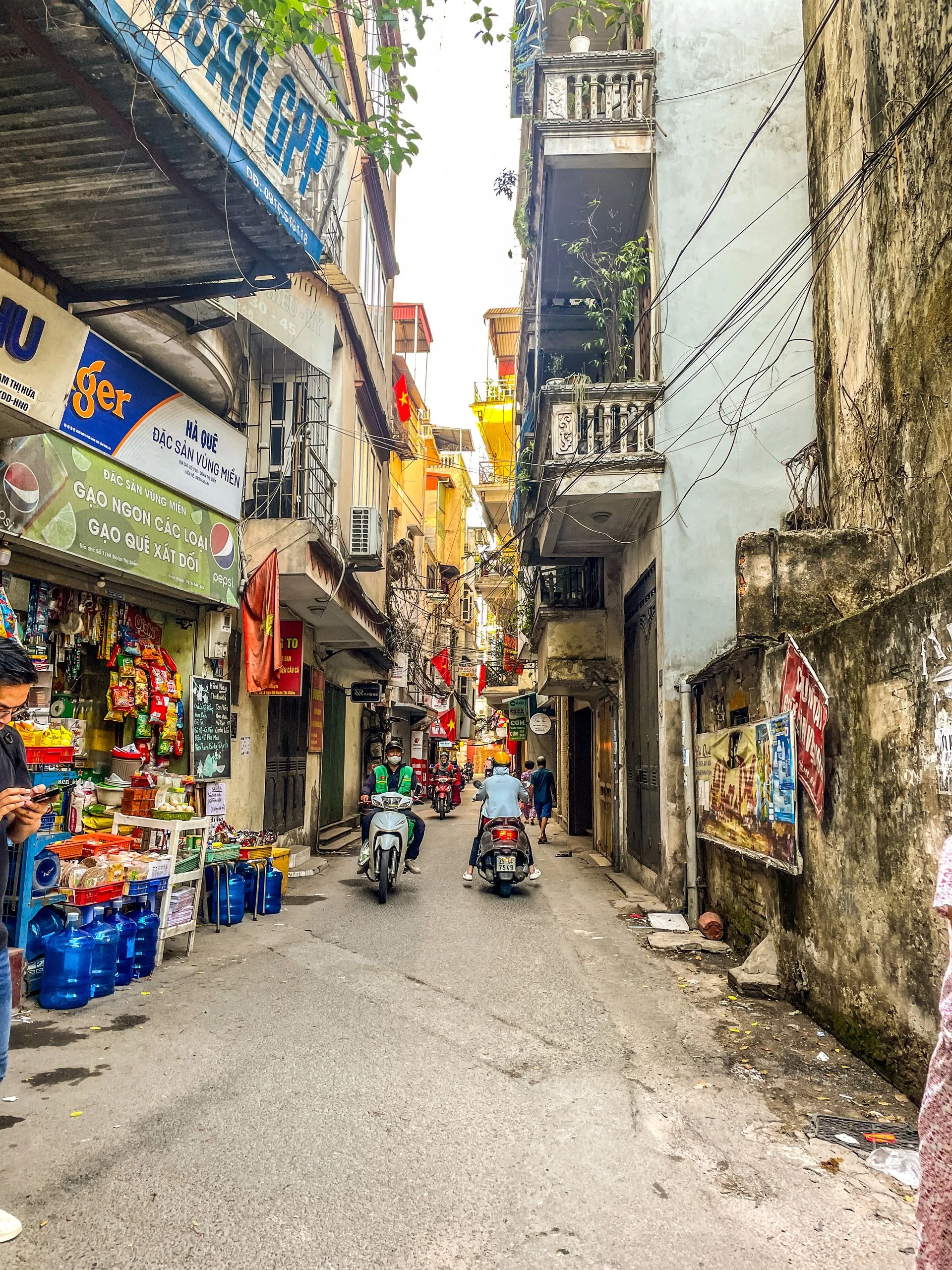
Start in the Old Quarter, the tangle of roughly 36 streets just north of Hoan Kiem Lake where, for centuries, each lane specialised in a single trade — you’ll still find a “Silk Street” and a “Silver Street” among the newer shopfronts. Don’t rush it. Duck into a courtyard café, or just let the scooter traffic wash past while you drink coffee at footpath level.
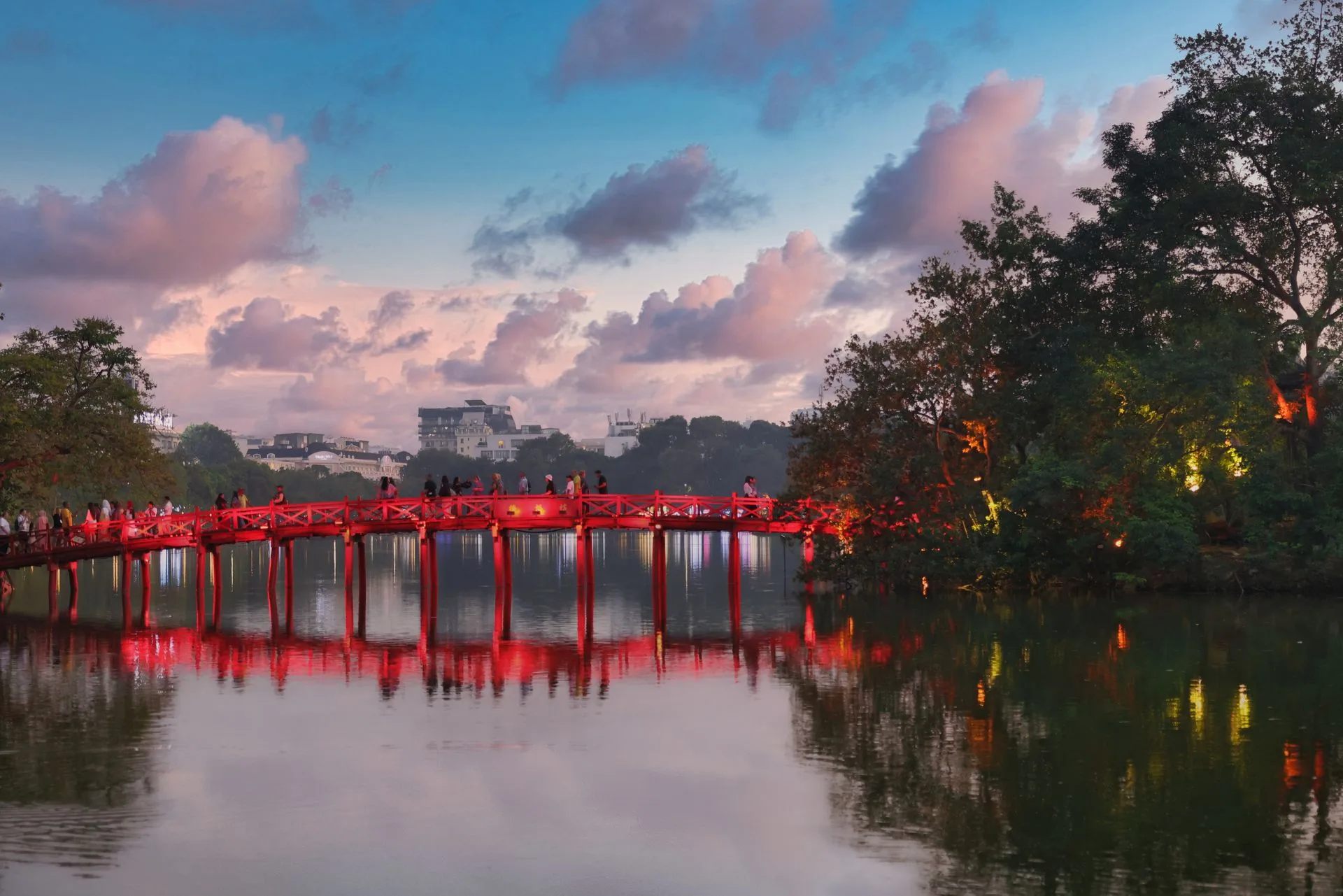
Hoan Kiem Lake sits right at the edge of the Old Quarter and is the easiest place to get your bearings. The red Huc Bridge arcs out to Ngoc Son Temple on a small island, and the lake becomes a gathering place for morning walkers before the day heats up. From here it’s a short walk to the Temple of Literature, Vietnam’s oldest centre of learning, or further out to the Ho Chi Minh Mausoleum and the One Pillar Pagoda beside it. In the evening, a traditional water puppet show is a genuinely local hour out — puppets perform standing in a pool of water, narrating folk tales to live music.
A little history: how Ha Noi became Ha Noi
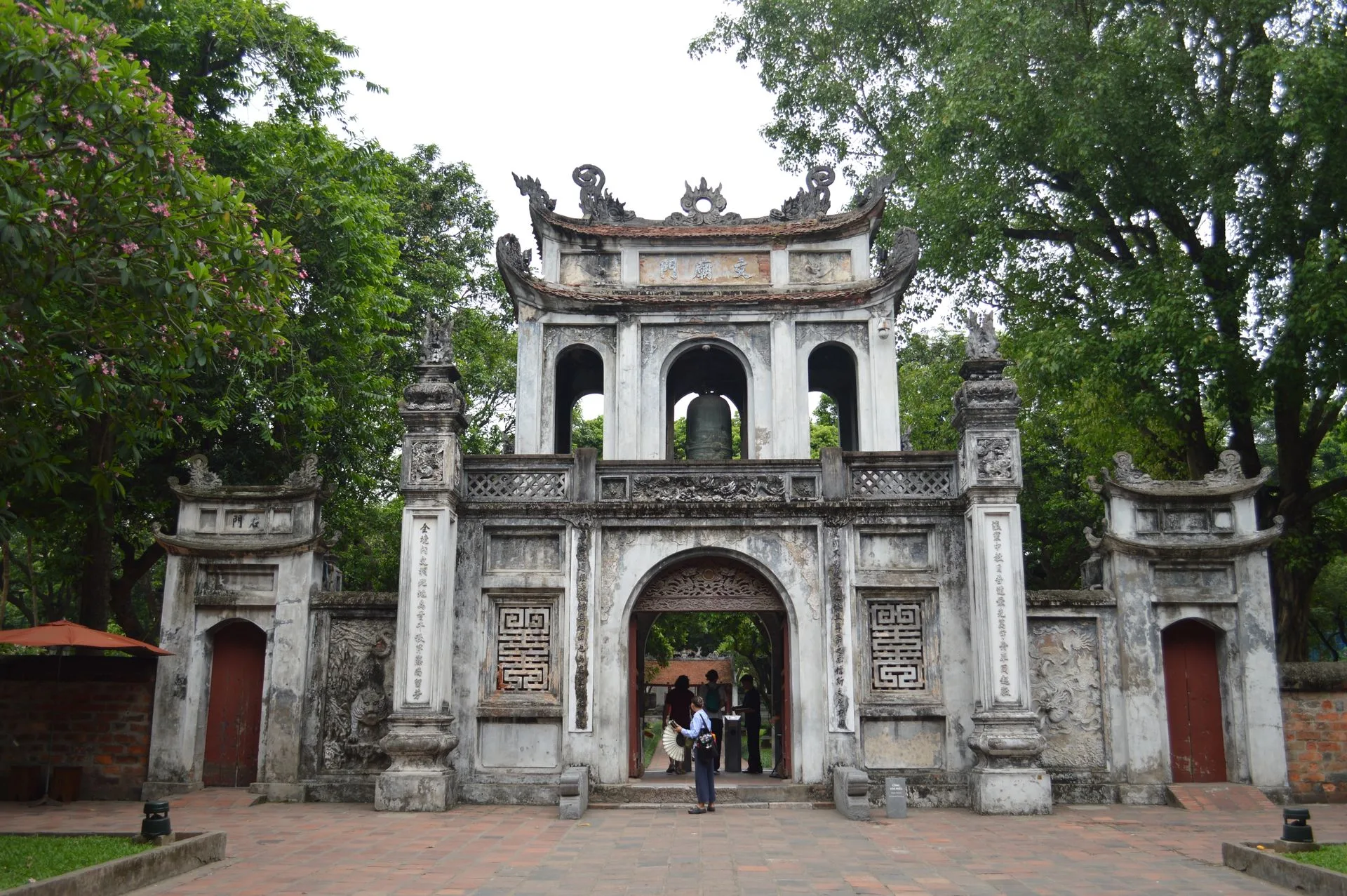
The story most locals will tell you starts in 1010, when Emperor Ly Thai To moved his capital here and, according to legend, saw a golden dragon rising into the sky above the river — he named the new capital Thang Long, “Ascending Dragon”. Sixty years later, in 1070, the Temple of Literature was founded as a place of Confucian learning, and in 1076 it became Quoc Tu Giam, Vietnam’s first national university, training students for royal exams for the best part of 700 years.
The city proved hard to take: it repelled three separate Mongol invasions in the 13th century (1258, 1285 and 1288), a point of real local pride. Centuries later, on 2 September 1945, Ho Chi Minh stood in Ba Dinh Square and read the Declaration of Independence that founded the modern Vietnamese state — the square and mausoleum complex there are still the city’s civic heart. Walk the Old Quarter or the French Quarter today and that layered history is genuinely visible, from temple gates to colonial-era villas, within a few streets of each other.
When is the best time to visit Ha Noi?
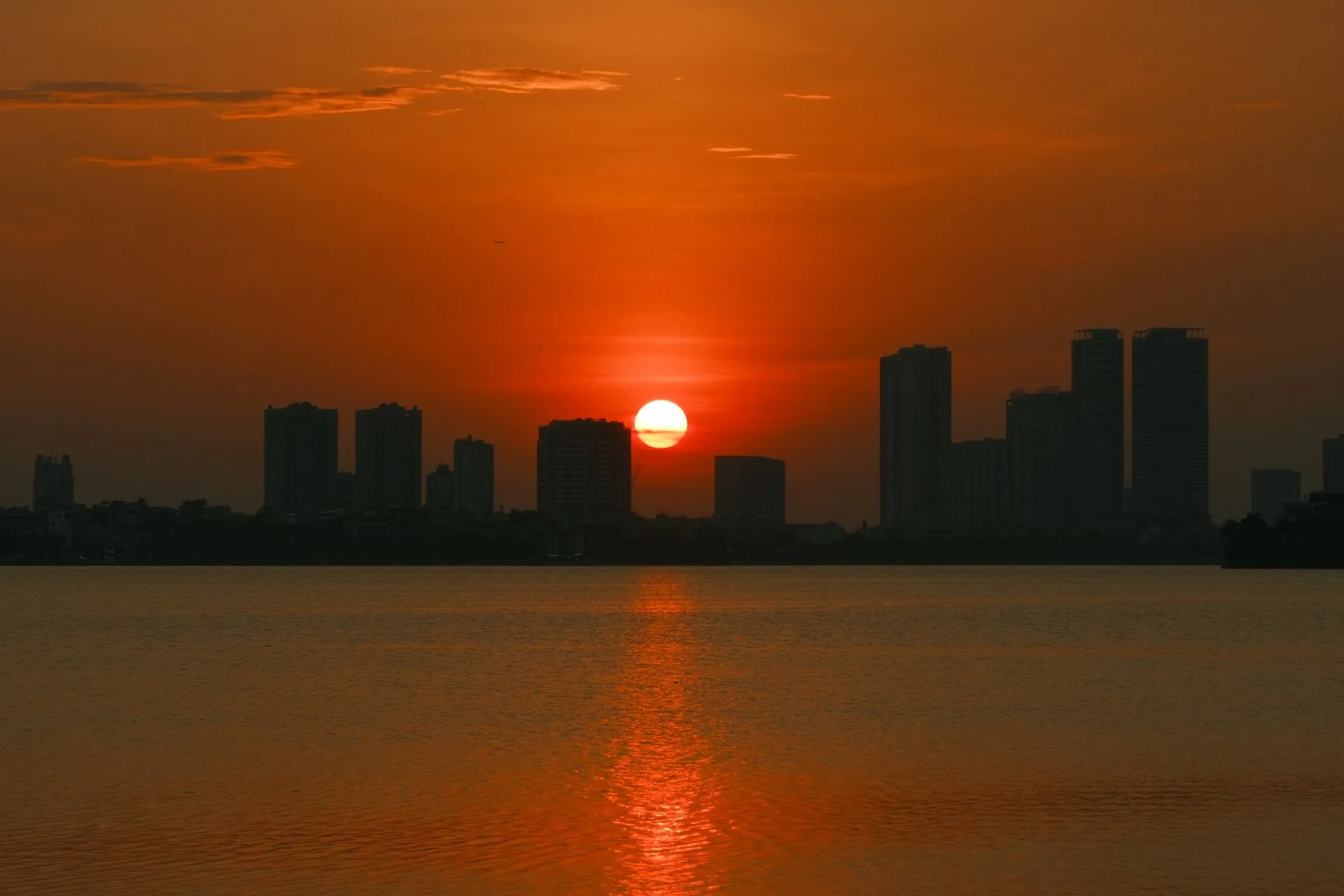
Ha Noi has a tropical monsoon climate, broadly split into a cooler, drier season from November to April and a hotter, wetter season from May to October. Most travellers get the best experience in autumn (September to November) or spring (March to April), when temperatures are milder and humidity backs off. Winter (December to February) is genuinely cool by Vietnam standards — pack a light jacket, since it can feel damp rather than tropical. Summer (June to August) is the toughest stretch: hot, very humid, with August typically bringing the heaviest rain.
| Season | Weather | Good for | Crowds |
|---|---|---|---|
| Autumn (Sep–Nov) | Mild, breezy, low humidity, around 24–27°C | Walking the Old Quarter, day trips, sightseeing | Busiest of the year |
| Winter (Dec–Feb) | Cool and often damp, roughly 16–23°C | Food touring, museums, cosy café days | Moderate, busier around Tet |
| Spring (Mar–Apr) | Mild, around 19–25°C, occasional drizzle | Sightseeing, temple visits | Moderate |
| Summer (May–Aug) | Hot and humid, highs of 32–35°C; August is wettest | Early starts, indoor sights, cooking classes | Lighter |
Enquire with My Viva Tour and we’ll help you time a Ha Noi stop around the rest of your Vietnam route, especially if you’re pairing it with a Ha Long Bay cruise.
People, culture and etiquette in Ha Noi
Vietnamese spiritual life blends Buddhism, Confucianism, Taoism and ancestor worship into daily routine rather than treating them as separate, competing faiths — you’ll see this at a single altar carrying a Buddha statue, a spirit tablet and an incense bowl together. Buddhism is the largest organised religion, and small altars turn up everywhere, in homes, shopfronts and hotel lobbies, always worth leaving undisturbed.
At temples and pagodas, cover your shoulders and knees, and be ready to remove your shoes before an inner sanctuary. Avoid pointing your feet toward an altar or a Buddha image — sit with legs tucked to the side if unsure. Ha Noi life runs largely on the street: locals eat, work and socialise on tiny plastic stools at all hours, and a smile and some patience go a long way if there’s a language gap.
What food should you try in Ha Noi?
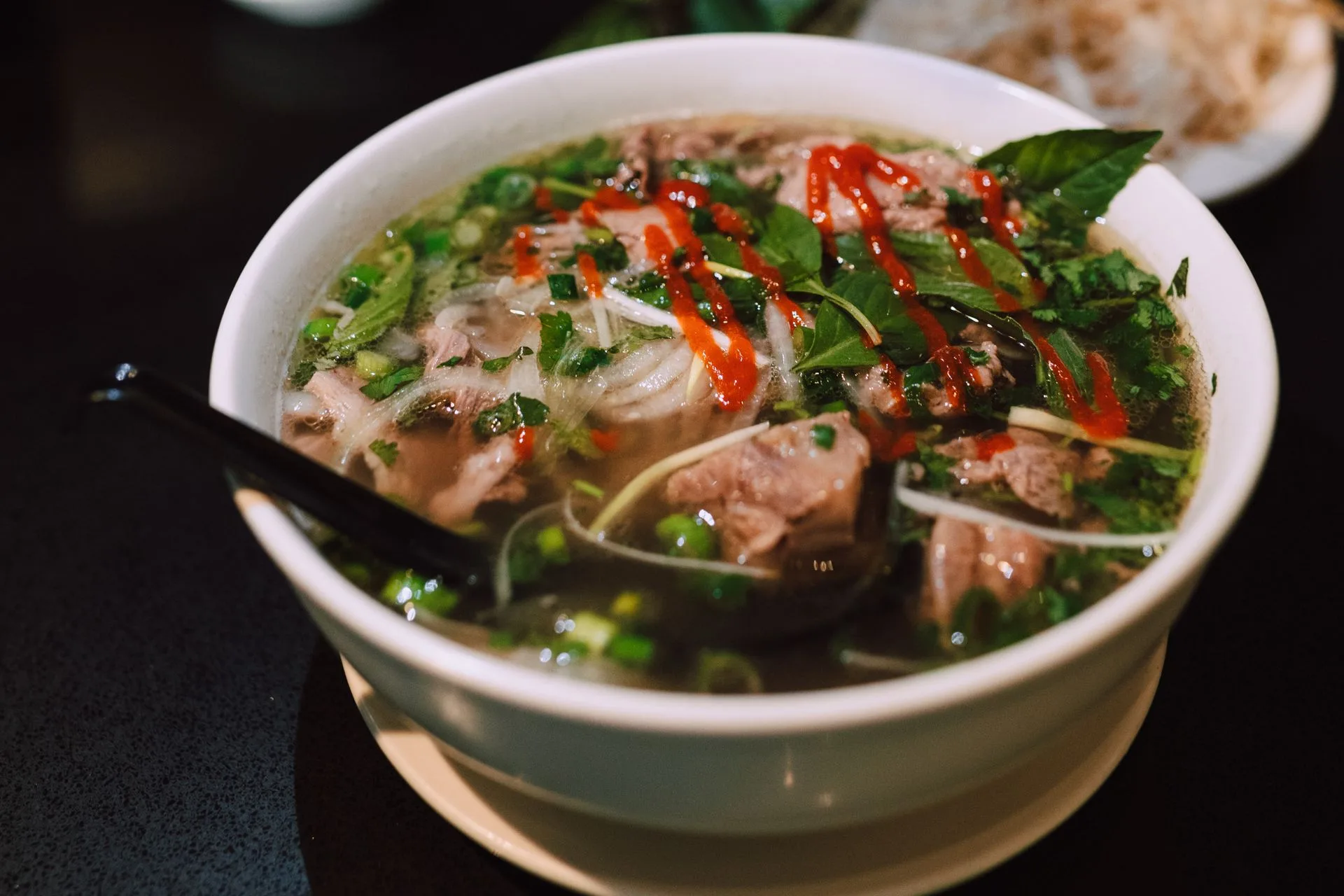
Ha Noi is where pho comes from, and the northern style is worth comparing to versions you might have had elsewhere: a clear, restrained beef or chicken broth, rice noodles, and a lighter hand with the herbs than you’ll find further south.
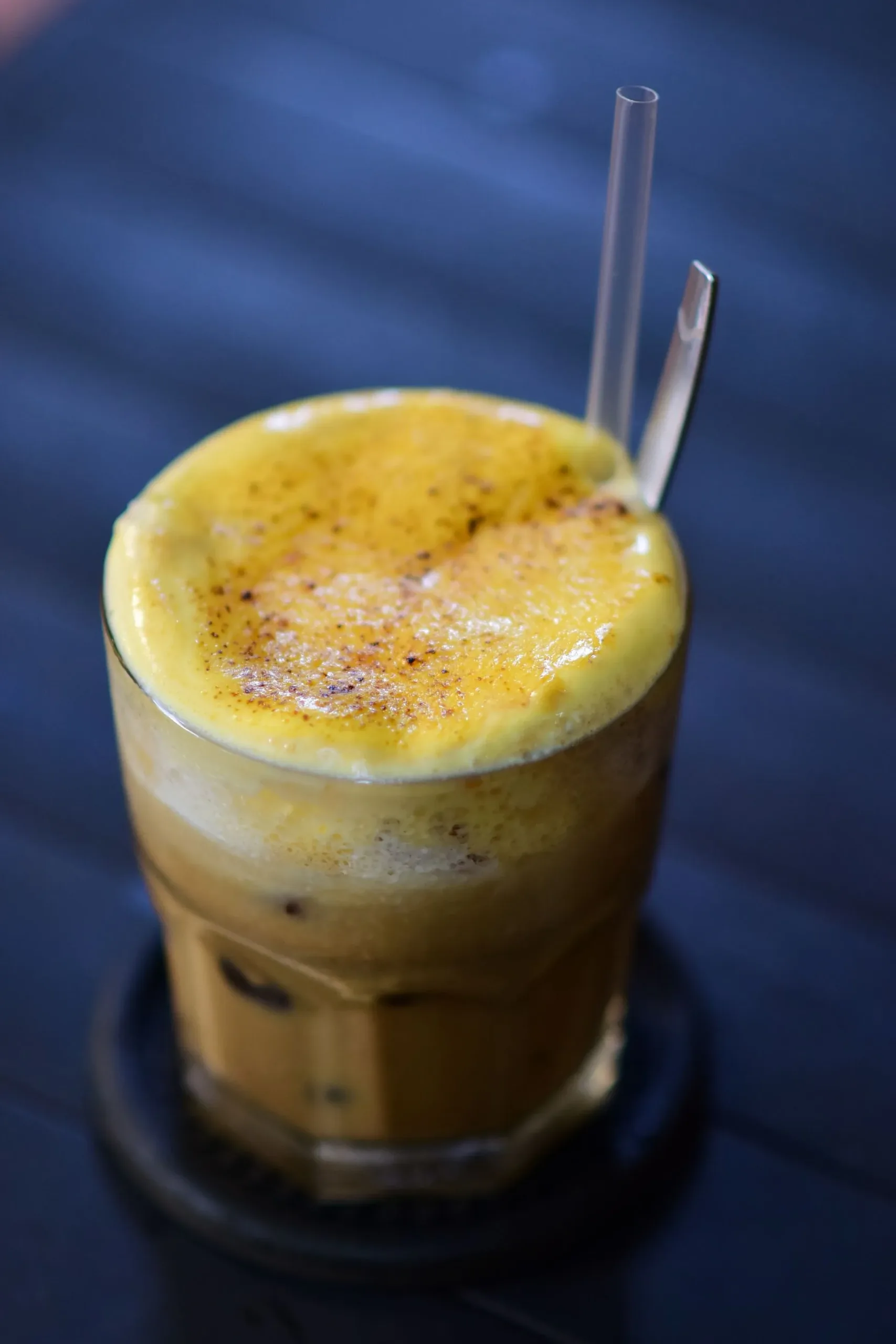
Bun cha — grilled pork patties and pork belly in a sweet, tangy dipping broth with herbs and rice noodles — is arguably the city’s signature dish, and cha ca La Vong (turmeric-marinated fish grilled tableside with dill and rice noodles) has been served in the same corner of the Old Quarter since the late 1800s. For something sweeter, egg coffee was invented here in 1946, whipped from egg yolk and condensed milk during a milk shortage — now a full-blown local institution.
Ask your MyVivaTour guide for the best local spots — the standout stalls are rarely the ones with an English menu out front, and a local recommendation will get you to the good ones faster.
Ha Noi travel guide: know before you go
- Best time: September–November or March–April for the mildest weather.
- What to wear: light layers for most of the year, a jacket for winter mornings, and shoulders/knees covered for temple visits.
- Getting around: the Old Quarter and lake area are walkable; taxis and ride-hailing apps cover longer distances around the city.
- Etiquette: remove shoes where asked, don’t point your feet at altars, and ask before photographing people or ceremonies.
Ha Noi travel guide FAQs
Is Ha Noi worth visiting?
Yes — Vietnam’s oldest capital has a walkable Old Quarter, centuries-old temples and some of the country’s best street food, and most northern Vietnam itineraries start here.
How many days do you need in Ha Noi?
Two to three days covers the Old Quarter, Hoan Kiem Lake and the Temple of Literature at a comfortable pace, with room for a water puppet show or an extra café stop.
When is the best time to visit Ha Noi?
Autumn (September–November) and spring (March–April) bring the mildest, driest weather. Summer is hot and humid with the heaviest rain, and winter is cool and often damp.
What should you wear at Ha Noi’s temples and pagodas?
Cover your shoulders and knees, and be ready to remove your shoes before entering an inner sanctuary. Avoid pointing your feet toward an altar or Buddha image.
What food is Ha Noi known for?
Northern-style pho, bun cha, cha ca La Vong and Vietnamese egg coffee all trace back to Ha Noi, and the city’s street-food scene is one of the best reasons to linger a few extra days.
Why Ha Noi stays with me
What I keep coming back to isn’t the Temple of Literature or the lake, though I love both. It’s the pacing — how the Old Quarter forces you to slow down whether you plan to or not. I’ve built plenty of itineraries that try to squeeze Ha Noi into a single day between flights. It never works. Give it the two days it asks for, spend one morning just walking without a destination, and the city opens up in a way no checklist gets you to.
Over to you: if Ha Noi is already part of your travel story, tell me in the comments below — I’d love to hear what stayed with you.
See Ha Noi with My Viva Tour
Ha Noi is also the natural jumping-off point for the rest of northern Vietnam — many travellers pair it with our Ha Long Bay travel guide or head northwest with our Sapa travel guide. If you’d rather have the route planned for you, our Surrounding Capital Vietnam tour covers Ha Noi and Ha Long/Lan Ha Bay in four days, while the Best of Northern Vietnam tour gives you a full week to add Sapa or Ninh Binh. Browse more of our Ha Noi coverage for trip stories from past guests, and enquire with My Viva Tour to plan your own trip.
Travel notes fact-checked: July 2026.