Pu Luong Travel Guide: Rice Terraces, Best Time to Visit & Things to Do
Last updated: July 6, 2026
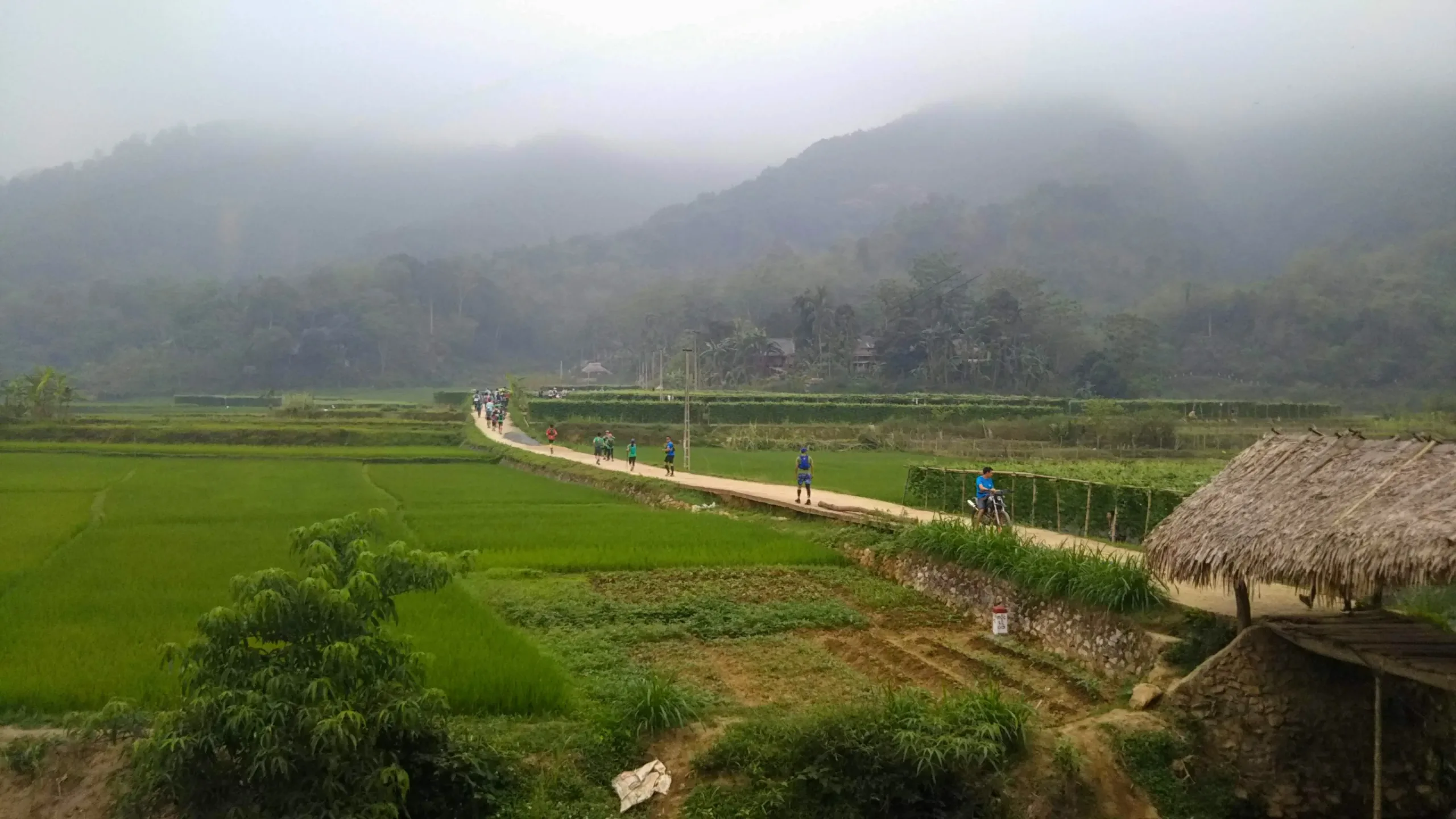
This Pu Luong travel guide is for anyone who wants the terraced-rice-and-limestone scenery of northern Vietnam without the crowds that fill Sapa. Pu Luong Nature Reserve sits in the hills of Thanh Hoa province, roughly a four-hour drive from Hanoi, and it hands you green valleys, stilt-house villages and slow, walkable days. Here’s what to see, when to go, and how to slot it into a bigger trip.
Quick answer: Pu Luong suits travellers who want quiet terraced-rice scenery, gentle trekking and a night or two in a stilt-house homestay, all within a half-day’s drive of Hanoi. The best time to visit Pu Luong is the cooler, drier stretch from about September to May, with the golden rice ripening in late September and early October and the greenest paddies around late May and June. Allow two to three days to walk between villages, see Hieu Waterfall and slow right down.
- Country: Vietnam — Thanh Hoa province, northern Vietnam
- Best time: roughly September–May for cool, dry weather; golden rice late September to early October; greenest paddies late May–June
- Known for: terraced rice, bamboo waterwheels, Thai and Muong stilt-house villages, Hieu Waterfall, Kho Muong cave
- Good for: trekkers, cyclists, photographers, and couples or families after a slow nature escape
In this guide: Things to do · Best time · Food · Tips · FAQs
What are the best things to do in Pu Luong?
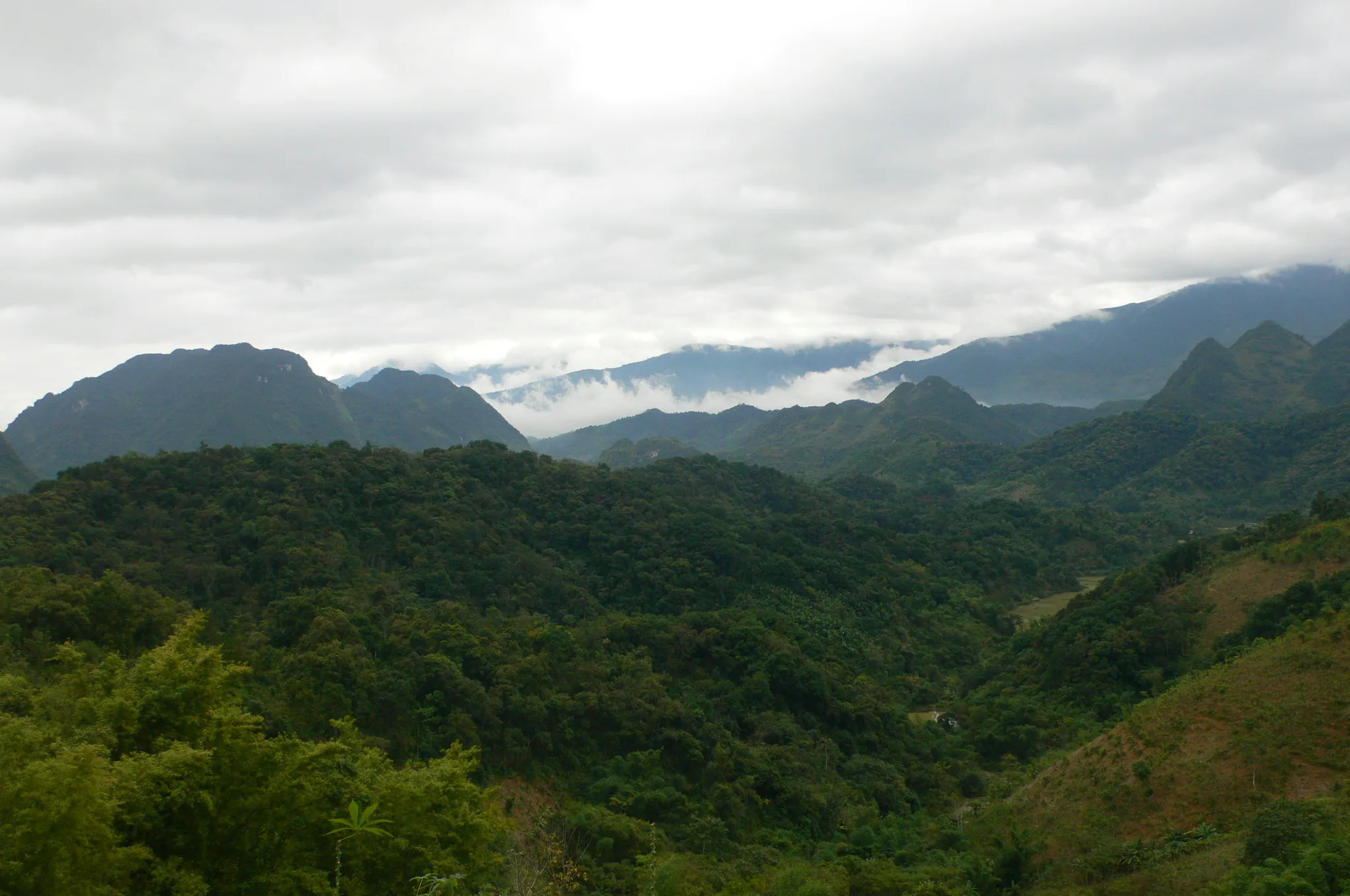
Pu Luong Nature Reserve covers around 17,600 hectares of limestone mountains, tropical forest and terraced paddies across the Ba Thuoc and Quan Hoa districts. It is a place you move through slowly. The best days here are spent on foot, walking village to village on paths that thread between rice terraces and past the wooden waterwheels turning on the streams.
Hieu Waterfall, near Hieu village, drops in tiers over pale rock and has pools you can cool off in on a warm afternoon. Over at Kho Muong, a Thai village tucked into a side valley, a large cave runs deep into the hillside — locals call it the Bat Cave. Keen walkers can aim for the Pu Luong summit at about 1,700 metres; everyone else can happily cycle the flatter valley floor between homestays.
If you like a plan to hang the days on, here’s how I’d pace a first visit.
Ideal pacing: Day 1 — drive in from Hanoi, settle into a stilt-house homestay and walk the paddy paths at golden hour. Day 2 — trek village to village past the bamboo waterwheels, then cool off at Hieu Waterfall. Day 3 — cycle the valley floor or explore Kho Muong’s cave before the road back. Want it built out fully? Our Best of Northern Vietnam 7-day tour weaves days like these into a larger loop.
A little history: villages built for the valley
Long before the first homestay opened, Thai and Muong families were farming these valleys and shaping the terraces you walk today. The stilt houses answer the land: raised floors keep living space above damp ground and let air move underneath. The waterwheels answer it too — tall bamboo wheels that lift stream water up to paddies the stream can’t reach. They still creak round day and night, and they are the sound people remember most.
Pu Luong was later protected as a nature reserve to keep this belt of limestone forest and its wildlife intact. That protection is part of why the valleys feel so unhurried now.
When is the best time to visit Pu Luong?
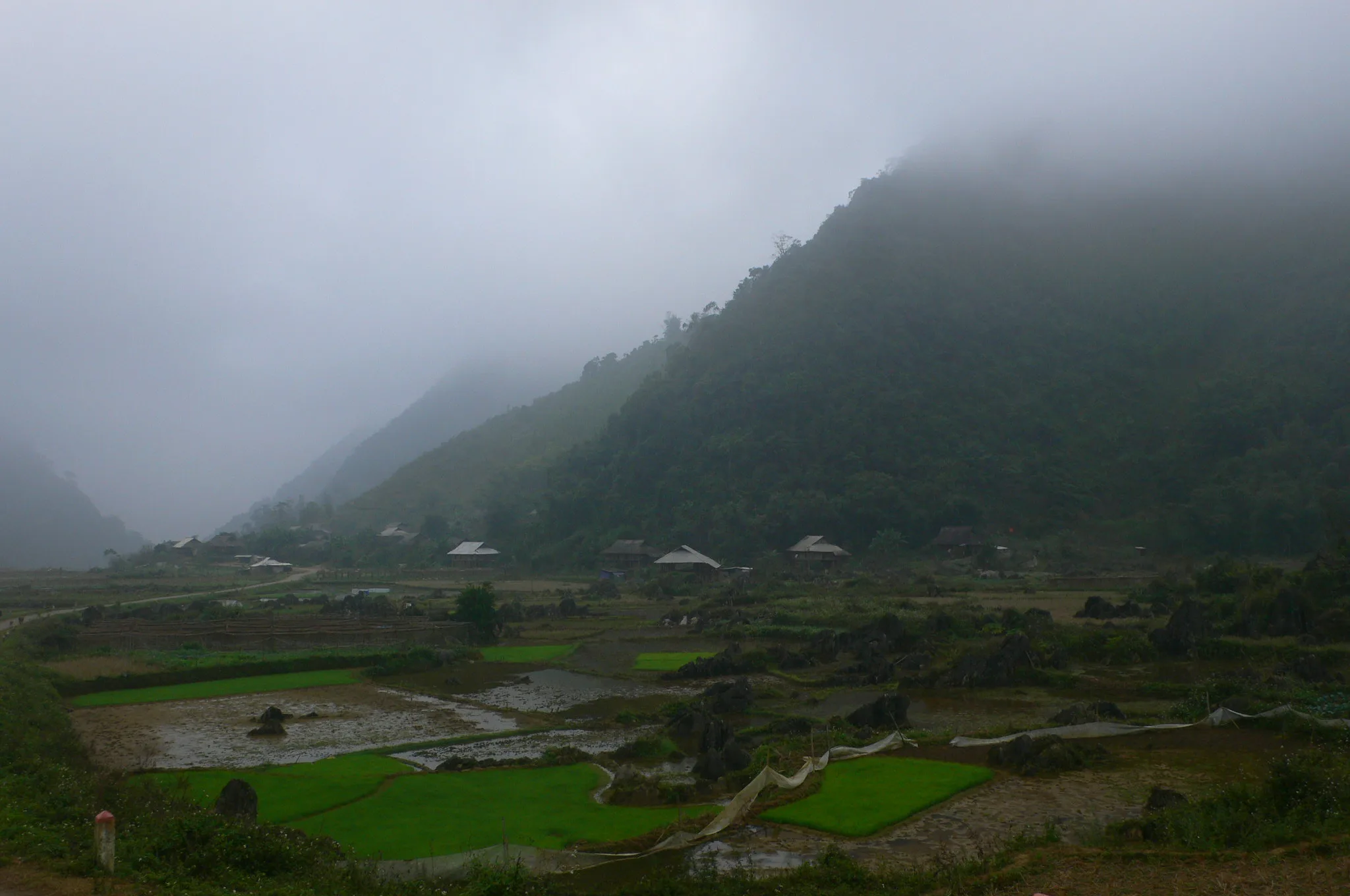
Pu Luong has a cooler, subtropical highland feel, so it rarely gets as sticky as the lowlands. The drier, more comfortable months run from about September through to May. June to August is the hottest and wettest stretch — the waterfalls run full, but the trails turn muddy and mornings can wash out.
Two windows draw photographers. The paddies are at their greenest in late May and June, and the terraces turn gold for harvest in late September and early October. Pick your season by the picture you want.
| Season | Weather | Good for | Crowds |
|---|---|---|---|
| Cool & dry (Nov–Feb) | Cool, misty mornings, little rain; chilly after dark | Trekking, clear valley views, quiet homestays | Light |
| Green rice (Mar–early Jun) | Warming up, mostly dry; greenest paddies late May–June | Lush scenery and photography | Moderate |
| Hot & wet (Jun–Aug) | Hottest and wettest, heavy afternoon rain; full waterfalls | Waterfalls, fewer visitors — but muddy trails | Light |
| Golden harvest (late Sep–Oct) | Warm, drying out; ripe golden terraces | The famous golden-rice scenery | Busiest local window |
Still weighing up dates for the whole country? Our month-by-month guide to when to visit Vietnam puts Pu Luong’s seasons next to the coast and the south.
People, culture and etiquette in Pu Luong
The valleys are mostly Thai and Muong communities, and daily life still turns on the farming calendar — planting, tending, harvest. Most homestays are family stilt houses, which means you’ll often eat with your hosts and sleep under the same roof. Ancestor and spirit worship runs quietly through village life.
A few small courtesies go a long way. Slip your shoes off before you step up into a stilt house. Ask before you photograph someone, especially older people. Dress modestly away from your room, and a smile and a few words of Vietnamese are always welcome. Nothing complicated — just travel as a guest, because you are one.
What food should you try in Pu Luong?
Homestay cooking here is honest hill food. The dish to look for is Co Lung duck, the free-range breed raised around Ba Thuoc — firmer and more flavoursome than lowland duck, usually grilled or steamed. Alongside it you’ll often get grilled stream fish, com lam (sticky rice cooked in bamboo tubes), foraged bamboo shoots and hill greens, finished with a small cup of local rice wine.
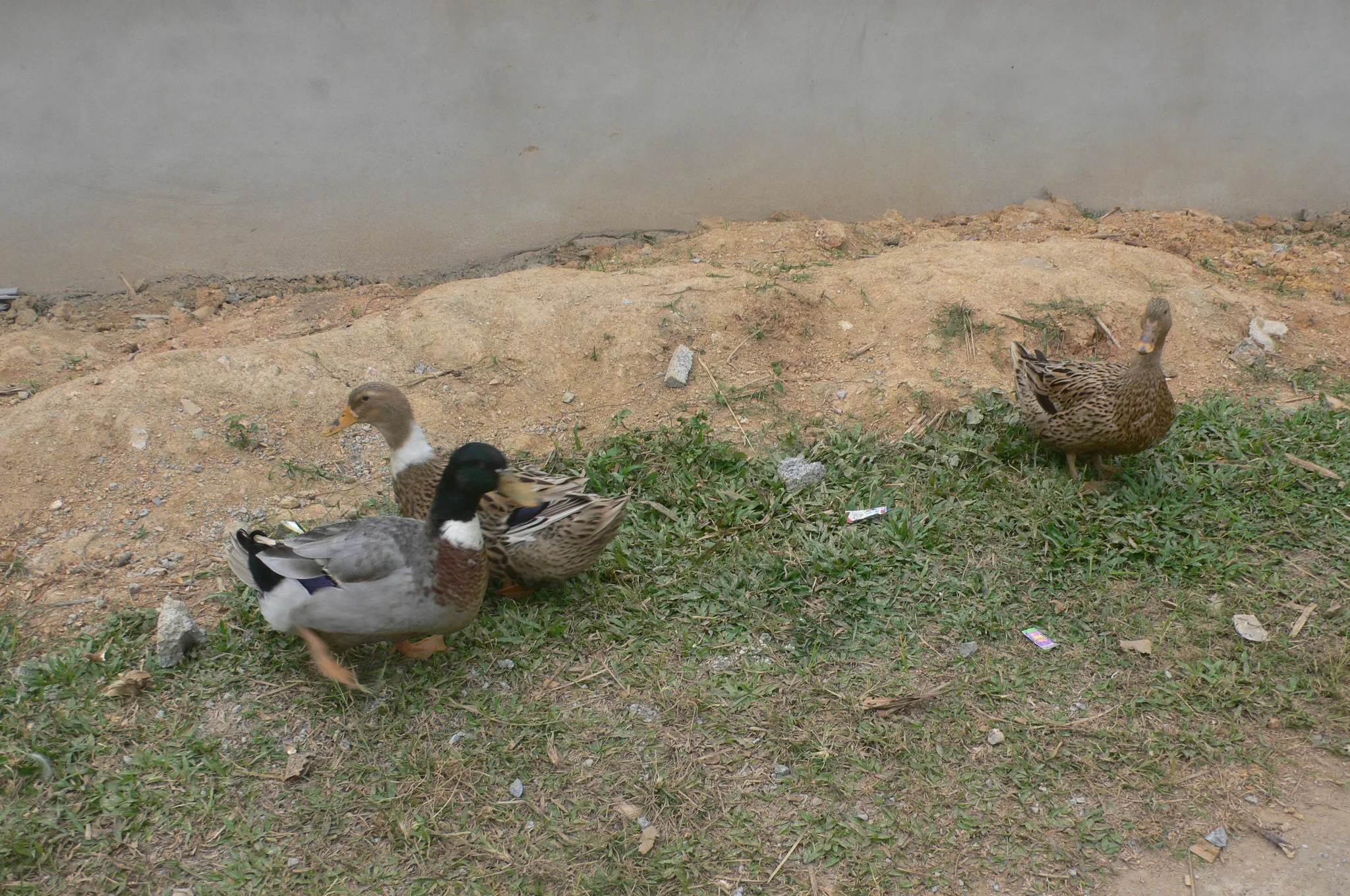
Meals move with whatever the family has that day, so tell your hosts if you’d like to try something in particular — and ask your MyVivaTour guide for the best local spots.
Pu Luong travel guide: know before you go
- Best time: September–May for dry, cool days; late September to early October for the golden terraces.
- What to wear: layers — mornings are cool in the north, genuinely cold on winter nights — plus walking shoes and a light rain shell from June to August.
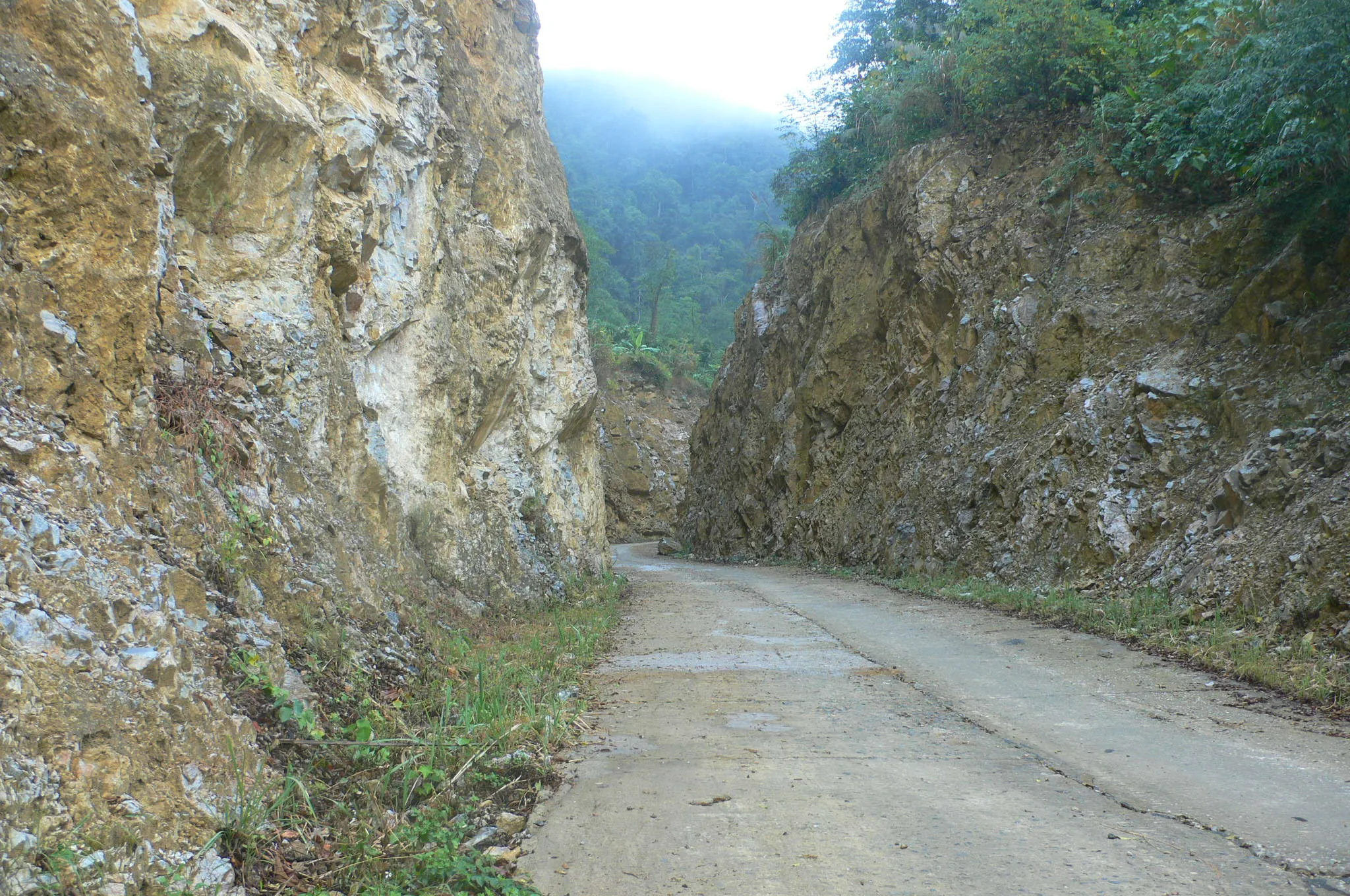
- Getting around: it’s roughly a four-hour drive from Hanoi, often combined with the Mai Chau valley on the way. Roads are narrow and winding, so most travellers arrive by private car or on a tour, then walk or cycle once they’re here.
- Etiquette & cash: shoes off in stilt houses, ask before photos, and bring enough cash — card payments and ATMs are scarce in the villages.
Coming from the far north instead? Compare the drive and the scenery with our Ha Giang travel guide, or browse all our Pu Luong tours and stories.
Pu Luong travel guide FAQs
Is Pu Luong worth visiting?
Yes, if you want terraced-rice scenery, gentle trekking and quiet village stays rather than big sights and crowds. Pu Luong Nature Reserve gives you green valleys, waterfalls and stilt-house homestays within a half-day’s drive of Hanoi.
How many days do you need in Pu Luong?
Two to three days is the sweet spot. That gives you one full day to trek between villages and reach Hieu Waterfall, plus time to cycle the valley or visit Kho Muong cave without rushing.
When is the best time to visit Pu Luong?
The cooler, drier months from about September to May are the most comfortable. For the golden rice terraces, aim for late September to early October; for the greenest paddies, come in late May or June.
How do you get to Pu Luong from Hanoi?
It’s roughly a four-hour drive from Hanoi, usually by private car. Many travellers combine it with the Mai Chau valley, which sits on the same route through the hills.
What food is Pu Luong known for?
Co Lung duck, the free-range breed raised around Ba Thuoc, is the local speciality. Homestay tables also lean on grilled stream fish, com lam (bamboo-tube sticky rice), bamboo shoots and hill greens.
Why Pu Luong stays with me
What stayed with me wasn’t a single sight. It was the pacing — that unhurried hour just after sunrise, walking a paddy path while a bamboo waterwheel creaked round somewhere below and the valley was still half asleep. You feel your shoulders drop. Pu Luong doesn’t ask you to tick anything off; it just asks you to slow down, and that turns out to be the whole point.
Over to you: what about you? If Pu Luong is already part of your travel story, tell me in the comments below — I’d love to hear which hour of the day stayed with you.
See Pu Luong with My Viva Tour
Pu Luong slots neatly into a wider northern loop with Mai Chau, Ninh Binh or the coast. Our 6-day Wonderful Northern Vietnam trip is a good starting point, and we’ll happily add homestay nights and trekking days to fit how you like to travel. For a taste of the place first, read our Pu Luong nature-escape story, then get in touch to plan your dates.
Travel notes fact-checked: July 2026.