Vang Vieng Travel Guide: Caves, Karst Scenery & Best Time to Visit
Last updated: June 30, 2026
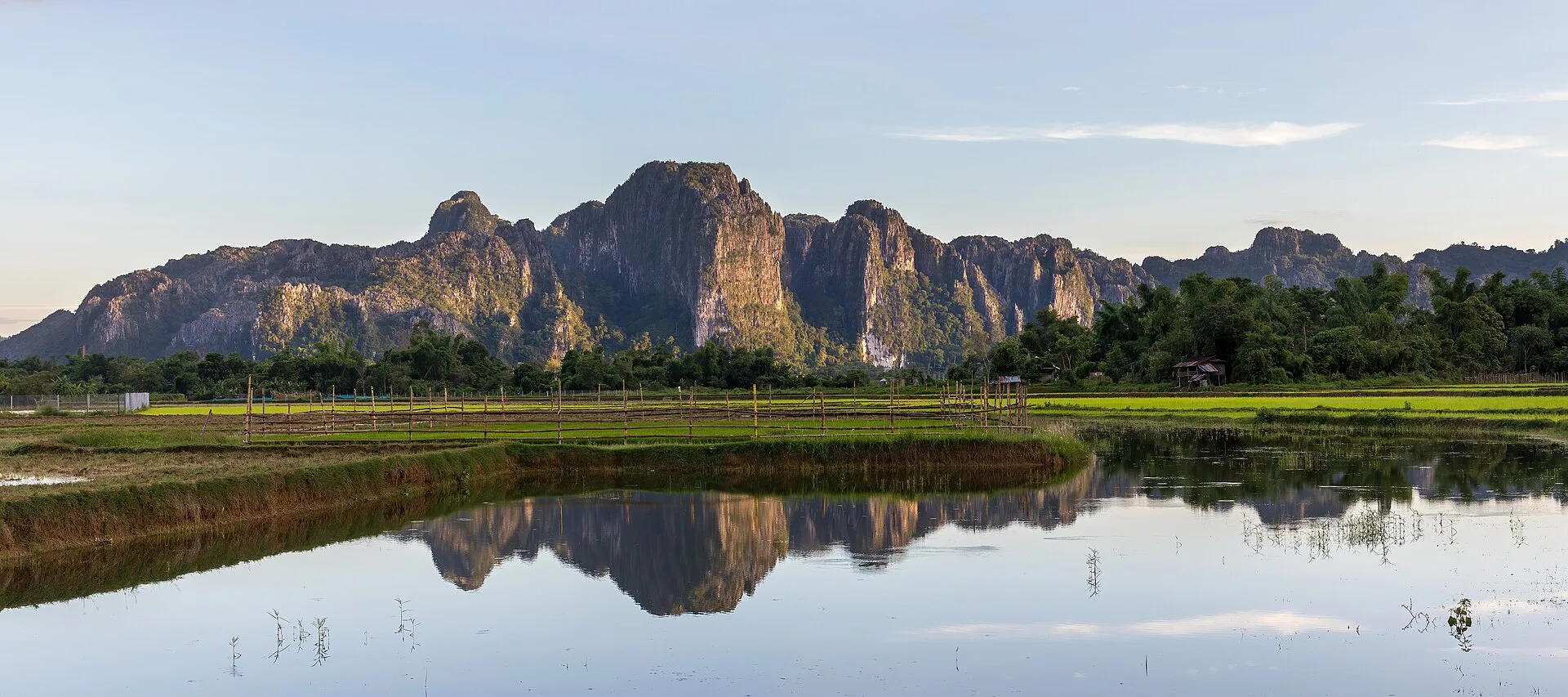
This Vang Vieng travel guide is for the traveller who wants Laos at its most scenic and easygoing — a small riverside town where limestone karst peaks rise straight out of the Nam Song valley, and the days are built around caves, lagoons, slow river paddles and dawn balloon rides rather than the rowdy reputation it once carried. Spend a couple of nights and you’ll see why people who planned one feel cheated of time.
Quick answer: Vang Vieng is best for travellers who want dramatic karst scenery, gentle outdoor adventure and a calm small-town base in central Laos. The best time to visit is the cool, dry season, roughly November to February, for clear skies and easy river days. First-time visitors should allow time for the Blue Lagoon and Tham Phu Kham cave, a sunrise hot-air balloon or viewpoint climb, and a slow kayak or float on the Nam Song.
- Country: Laos (Vientiane Province, central Laos)
- Best time: November to February — cool, dry and clear
- Known for: Nam Song river, limestone karst peaks, caves, lagoons, ballooning
- Good for: nature lovers, soft-adventure travellers, couples, families, photographers
In this guide: Things to do · History · Best time · Culture · Food · Know before you go · FAQs
What are the best things to do in Vang Vieng?
Almost everything here happens around the river and the karst. The Nam Song threads right through town, and the limestone mountains behind it are what people remember. Green, jagged, and close enough to climb before lunch.
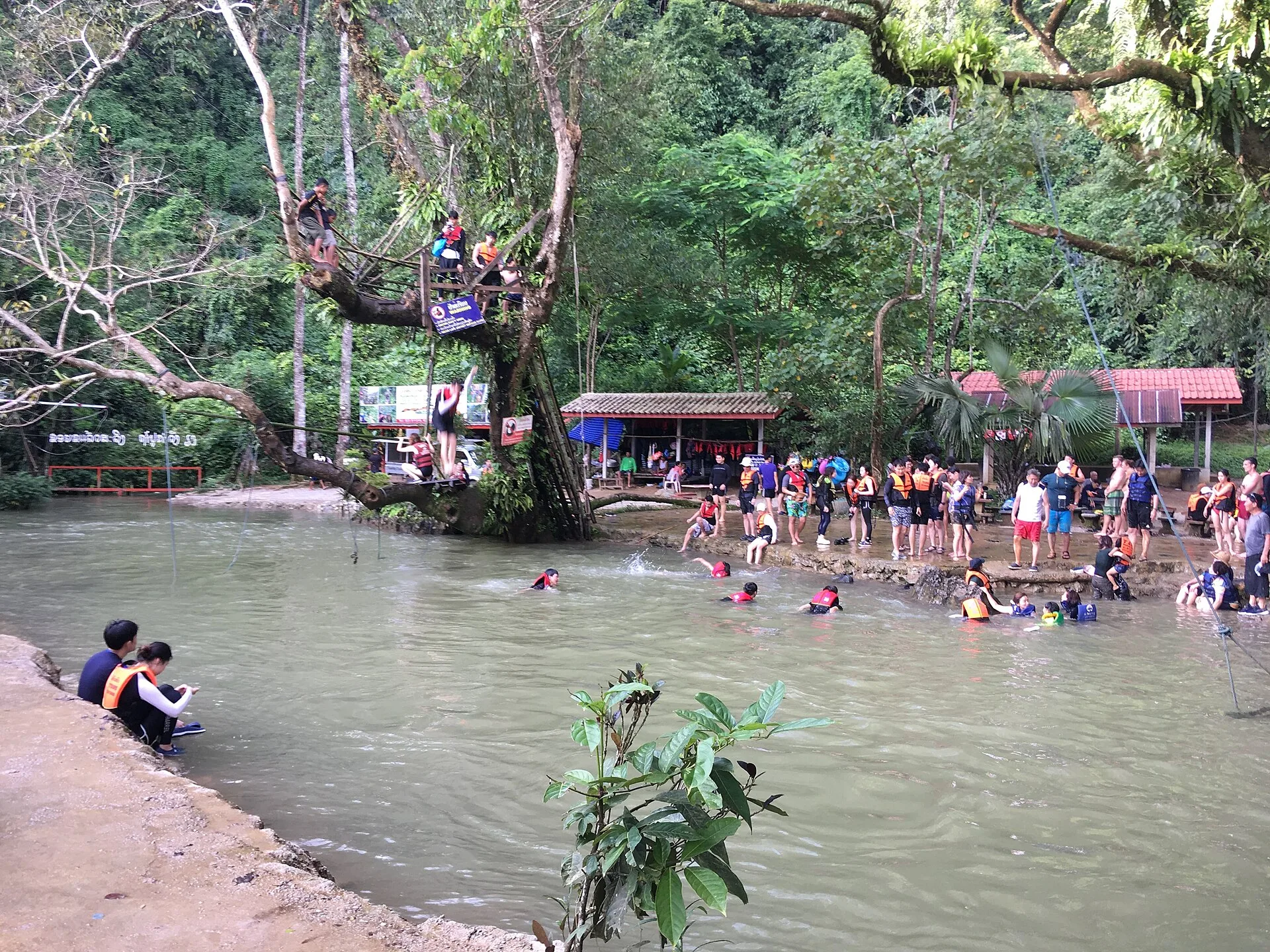
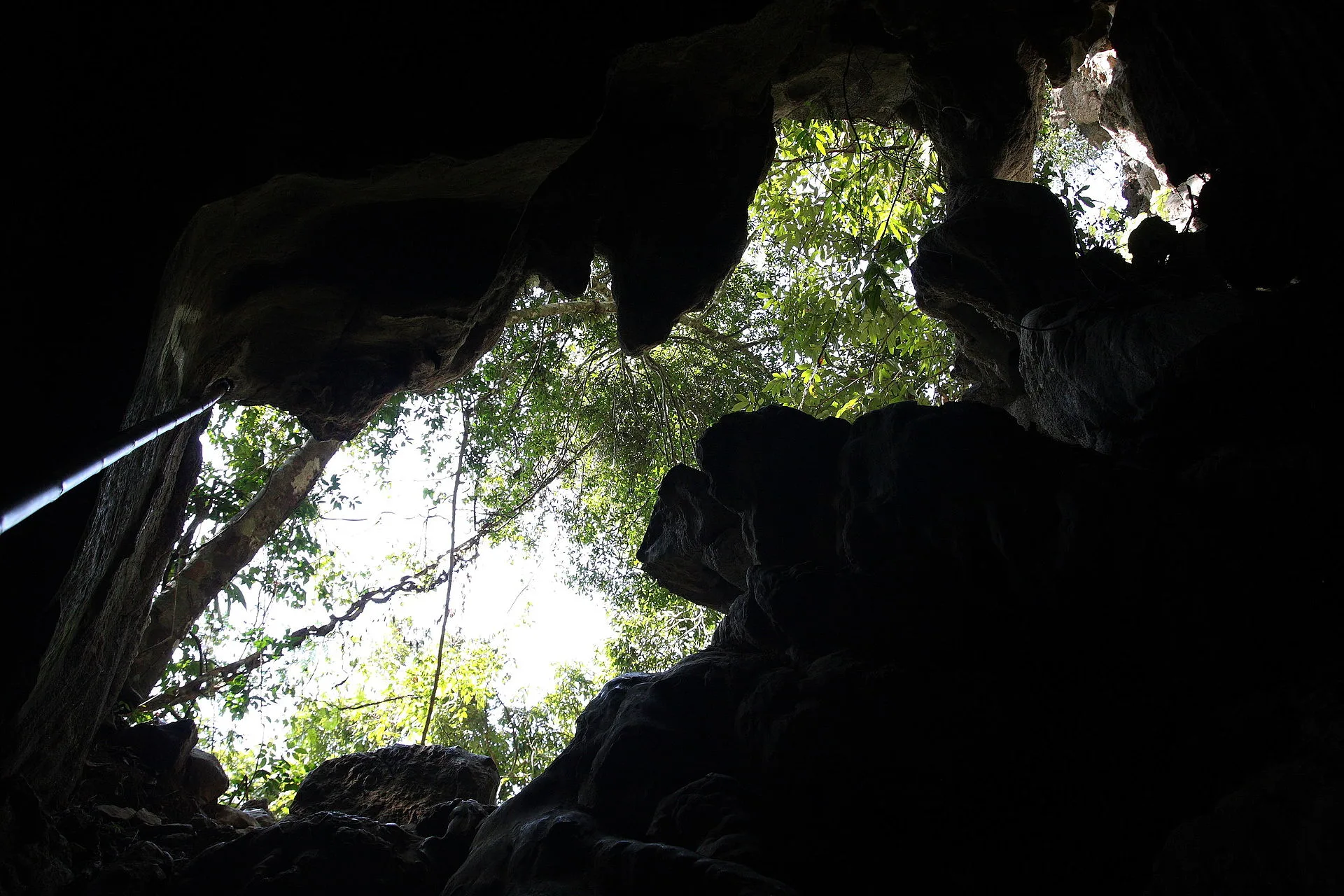
Start with the caves and lagoons west of the river. The most popular is the Blue Lagoon, a swimming spot with a rope swing and a few trees to jump from, paired with Tham Phu Kham (also spelled Tham Poukham), a hillside cave above it that holds a bronze reclining Buddha. Closer to town, Tham Chang (Tham Jang) is an easy cave to reach, with a lookout over the valley and a spring-fed pool at the base — it was used as a hideout during raids in the 1800s, which adds a bit of story to the walk up.
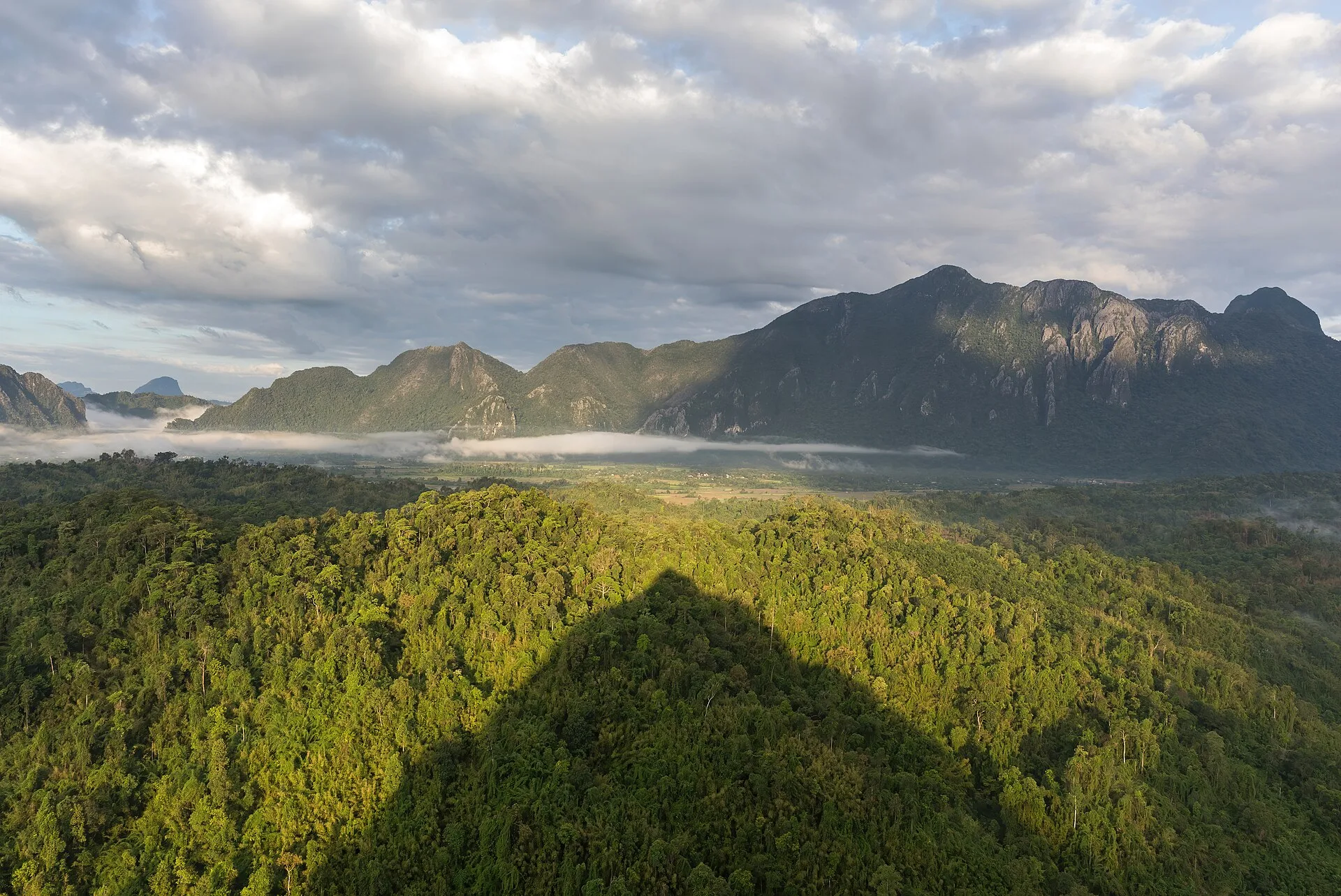
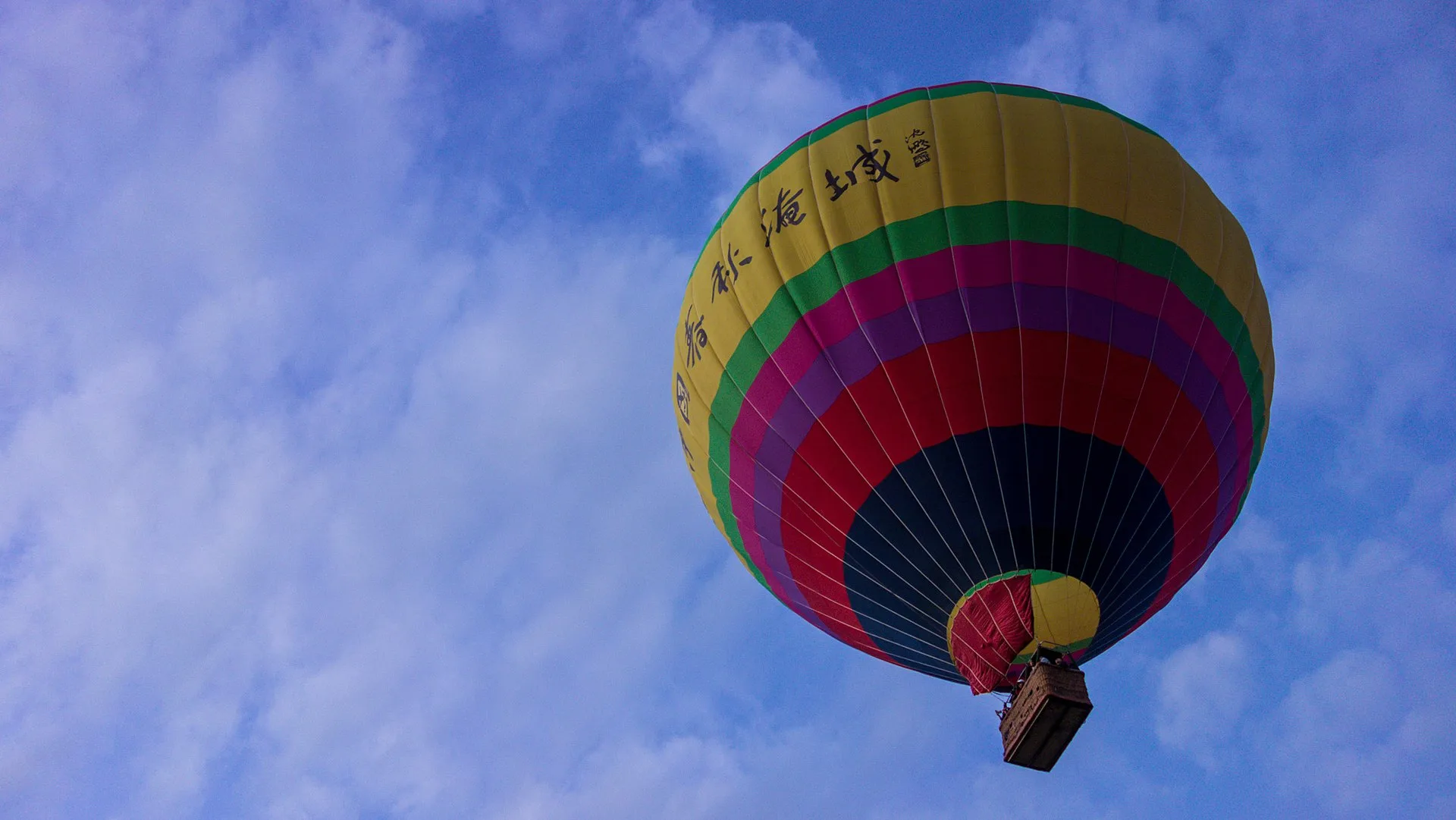
For the big view, go at sunrise. A hot-air balloon over the valley is the postcard version, drifting above the peaks as the mist lifts off the fields. If you’d rather use your legs, viewpoints like Mount Nam Xay and Pha Ngern pay back a sweaty climb with the same panorama — start before the heat, it’s steeper than it looks. On the water, the Nam Song is made for a slow kayak or float, with short stretches of mild rapids for a little more bite. And around the cliffs you’ll find rock climbing and zip-lining if you want to be more active.
A little history: from party town to calm adventure base
For most of its life Vang Vieng was a quiet farming and river town. In the late 2000s and early 2010s it became infamous for a riverside bar scene and reckless tubing that ended in too many injuries. In 2012 the Lao authorities closed the riverside bars and cleared the worst of it almost overnight.
What’s left is the better version: a town that leans into its scenery. The operators now sell caves, climbing, ballooning and gentler river trips, and the China–Laos railway (opened in late 2021) put a modern station on the edge of town. It’s quieter, greener and far easier to enjoy than its old headlines suggest.
When is the best time to visit Vang Vieng?
The short version: come in the cool, dry season, roughly November to February, when skies are clearest and the river and caves are easiest. The wet season runs roughly May to October and turns the karst a vivid green, but expect heavy afternoon downpours and a fuller, browner river.
| Season | Weather | Good for | Crowds |
|---|---|---|---|
| Cool, dry (Nov–Feb) | Mild, dry days, cooler nights, clear skies | Ballooning, viewpoints, caves, kayaking | Busiest — the peak window |
| Hot, dry (Mar–Apr) | Hot and hazy, building humidity | River swims, early starts, fewer crowds | Moderate |
| Wet (May–Oct) | Lush and green, heavy afternoon rain, fuller river | Green scenery, photography, quieter town | Quietest |
Planning a wider Laos loop? Vang Vieng sits neatly between the capital and the old royal city, so it pairs well with a few days each side. Tell My Viva Tour your dates and we’ll slot it into a route that flows.
People, culture and etiquette in Vang Vieng
Underneath the adventure gear, this is still a small Lao town where life moves gently. Lao is the main language, and Theravada Buddhism shapes the daily rhythm — monks, small temples, and the same quiet courtesy you’ll meet across Laos. A smile and an unhurried manner go a long way here. Loud impatience does not.
Dress modestly away from the lagoons, cover shoulders and knees at temples, and slip your shoes off before you step inside. Ask before photographing monks or locals, and keep your voice down at shrines.
Culture note: Sticky rice is more than a side dish in Laos — it’s eaten by hand, rolled into a small ball with your fingers and used to scoop up the rest of the meal. Take a little from the shared basket, and it’s polite to leave the lid on the basket closed when you’ve finished.
What food should you try in Vang Vieng?
Lao food is fresh, herby and built for sharing. Start with laap (larb), a zingy minced-meat salad with lime, chilli and toasted rice, and tam mak hoong, the pounded green-papaya salad you may know as som tam. Both go with khao niaw, the sticky rice that turns up at every meal.
Look out for a Lao khao soi too — a noodle dish quite different from the Thai curry of the same name, more of a rice-noodle soup with a savoury pork-and-tomato topping. For the genuinely good local spots rather than the tourist strip, ask your My Viva Tour guide — they’ll point you to where Lao families actually eat.
Vang Vieng travel guide: know before you go
- Best time: November to February for clear, cool days; the wet season (May–Oct) is greener but rainier.
- What to wear: light, quick-dry clothes and swimmers, sturdy sandals or shoes for caves and climbs, and a rain layer in the wet months; modest cover for temples.
- Getting there: it’s an easy hop from Vientiane (south) or Luang Prabang (north) — the China–Laos railway makes either leg roughly an hour, and there’s a good road option too.
- Getting around: the town centre is walkable; bicycles, scooters and tuk-tuks reach the caves and lagoons across the river.
- Etiquette: dress modestly off the water, remove shoes at temples, and ask before photographing people.
Vang Vieng travel guide FAQs
Is Vang Vieng worth visiting?
Yes — for the scenery alone. The karst peaks above the Nam Song are some of the most striking in Laos, and the modern town is a calm, outdoorsy base for caves, lagoons, river trips and balloon rides. The old party reputation no longer reflects what’s there.
How many days do you need in Vang Vieng?
Two to three nights suits most travellers. That’s enough for a cave-and-lagoon day, a sunrise viewpoint or balloon, a relaxed river afternoon, and still time to simply sit by the Nam Song.
When is the best time to visit Vang Vieng?
The cool, dry season from about November to February is ideal, with clear skies for ballooning and viewpoints. The wet season (roughly May–October) brings lush green scenery but heavier rain and a fuller river.
How do you get to Vang Vieng?
Most travellers come from Vientiane to the south or Luang Prabang to the north. The China–Laos railway makes either leg roughly an hour to Vang Vieng’s station, and there’s a road option for both as well.
What food is Vang Vieng known for?
It serves classic Lao dishes: laap (minced-meat salad), tam mak hoong (green papaya salad), sticky rice and a local khao soi noodle soup. Ask your My Viva Tour guide for the best family-run spots.
Why Vang Vieng stays with me
What stayed with me wasn’t the balloons or the caves. It was an ordinary breakfast — a basket of warm sticky rice and a plate of laap shared at a riverside table while the karst slowly came out of the morning haze. The owner kept refilling our rice without being asked, the way you would for family. That’s the Vang Vieng people don’t expect: quiet, generous, scenic, completely unbothered by its old reputation.
Over to you: what about you? If Vang Vieng is already part of your travel story, tell me in the comments below — I’d love to hear what stayed with you.
See Vang Vieng with My Viva Tour
Vang Vieng is best as part of a wider Laos route. Read our Vientiane travel guide for the capital to the south and our Luang Prabang travel guide for the old royal city to the north, or browse everything filed under our Vang Vieng destination page.
To string it all together, our Vientiane & Luang Prabang 4-day tour covers the classic central-Laos corridor, while A Glance of Laos in 6 days gives you a fuller loop. Tell My Viva Tour your dates and we’ll build a trip that puts Vang Vieng at its scenic best.
Travel notes fact-checked: June 2026.