Vientiane Travel Guide: Temples, Best Time to Visit & Things to Do
Last updated: June 30, 2026
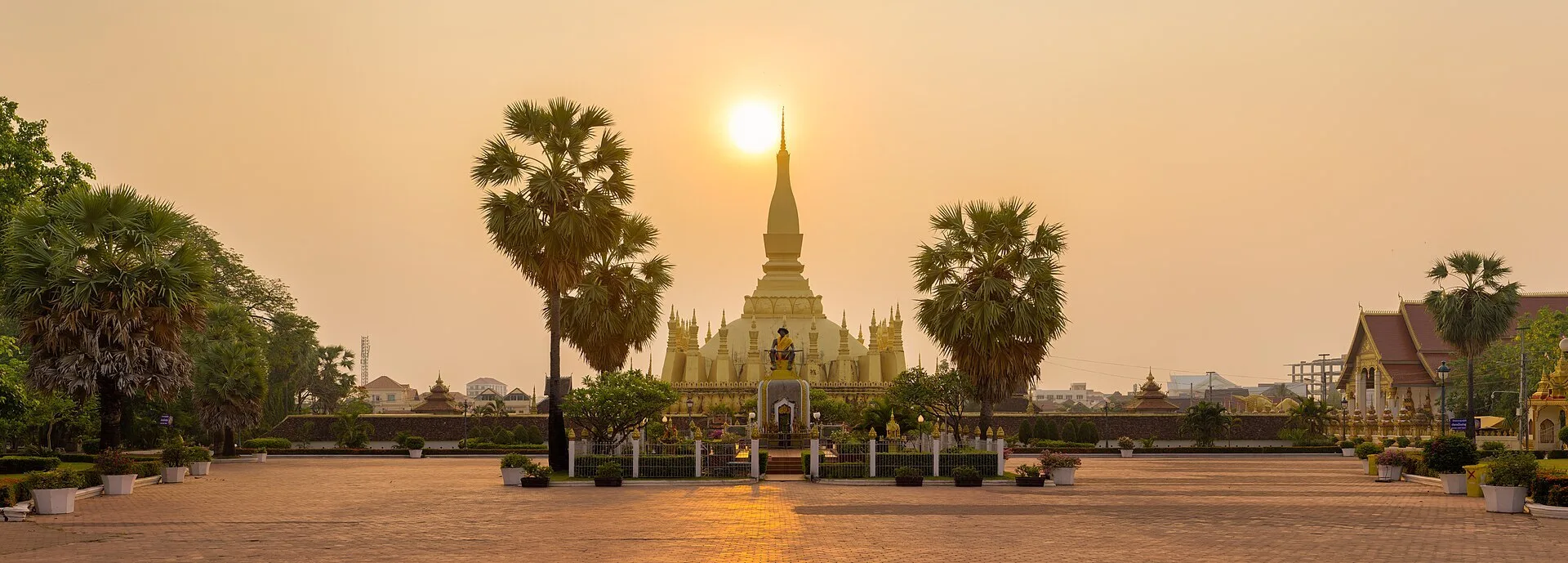
This Vientiane travel guide is for the traveller who wants Southeast Asia at half-speed: a riverside capital where a golden stupa catches the last light, the traffic actually pauses, and you can see the headline sights in a day or two without rushing. Vientiane sits on a bend of the Mekong, looking across to Thailand, and it rewards a slow wander more than a tick-list sprint.
Quick answer: Vientiane is best for travellers who want temples, riverside calm and easy Lao food without the crowds. The best time to visit Vientiane is the cool, dry season from November to February, when days hover around the mid-20s. First-time visitors should allow time for the golden Pha That Luang stupa, the Patuxai monument, the Buddha-filled Wat Si Saket, and a Mekong sunset by the night market.
- Country: Laos (on the Mekong, facing Thailand)
- Best time: November to February — cool, dry, comfortable
- Known for: Pha That Luang, Patuxai, Wat Si Saket, Buddha Park, Mekong sunsets
- Good for: slow travellers, temple-lovers, couples, easy first-timers in Laos
In this guide: Things to do · A little history · Best time · Culture · Food · Tips · FAQs
What are the best things to do in Vientiane?
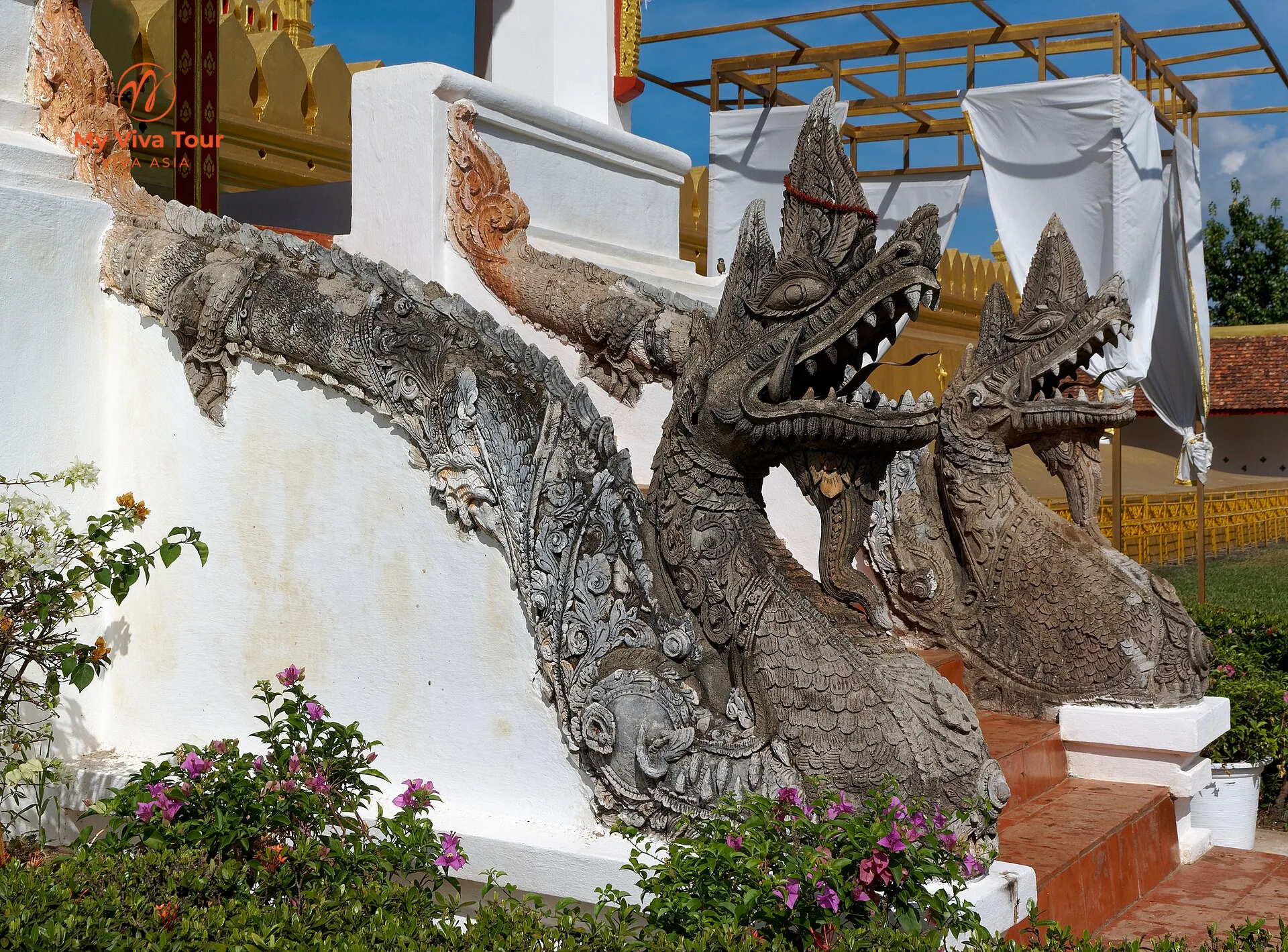
Start with Pha That Luang, the great gold-covered stupa that is the national symbol of Laos — you will see its silhouette on the country’s emblem and currency. It rises around 45 metres. Go late in the afternoon — that’s when the gold turns molten against the sky and the crowds thin out. Walk the grounds slowly; the carved naga serpents guarding the base are worth a closer look.
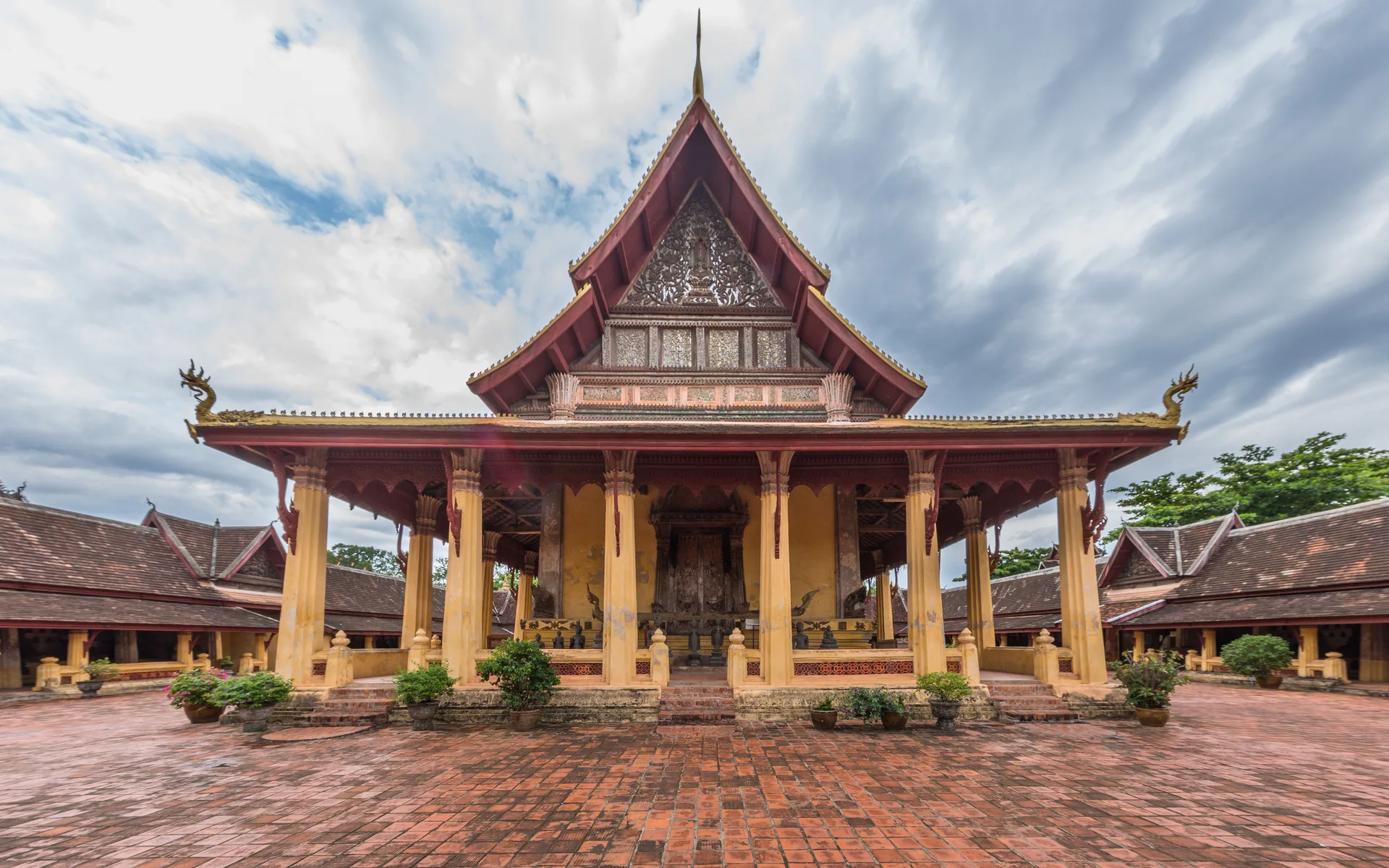
A short way across town, Vientiane’s temples deserve an unhurried morning. Wat Si Saket is the city’s oldest surviving temple and its quiet showpiece — the cloister walls hold thousands of small Buddha images tucked into niches. Right beside it, the former royal temple now houses revered Lao Buddha statues. Then there is the Patuxai victory monument, Vientiane’s own take on a triumphal arch; climb to the top for a view straight down the boulevard.
Ideal pacing: Day 1 — temples and Patuxai in the cool morning, Mekong sunset and night market. Day 2 — early half-day trip to Buddha Park, afternoon to slow down by the river with a Beerlao.
If you have a spare half-day, take the easy trip out to Buddha Park (Xieng Khuan), about 25 kilometres downriver. Built from 1958, it scatters more than 200 quirky Buddhist and Hindu concrete statues across a riverside lawn — go early, before the weekend crowds arrive mid-morning.
A little history: a capital that kept rebuilding
Vientiane became the capital of the Lan Xang kingdom in the 1500s, and King Setthathirath raised Pha That Luang in 1566 to anchor the new city. The capital’s later story is one of knocks and recoveries — much of it was sacked during a Siamese invasion in 1828, with Wat Si Saket almost the only major temple left standing, probably because its style resembled the Siamese architecture of the day.
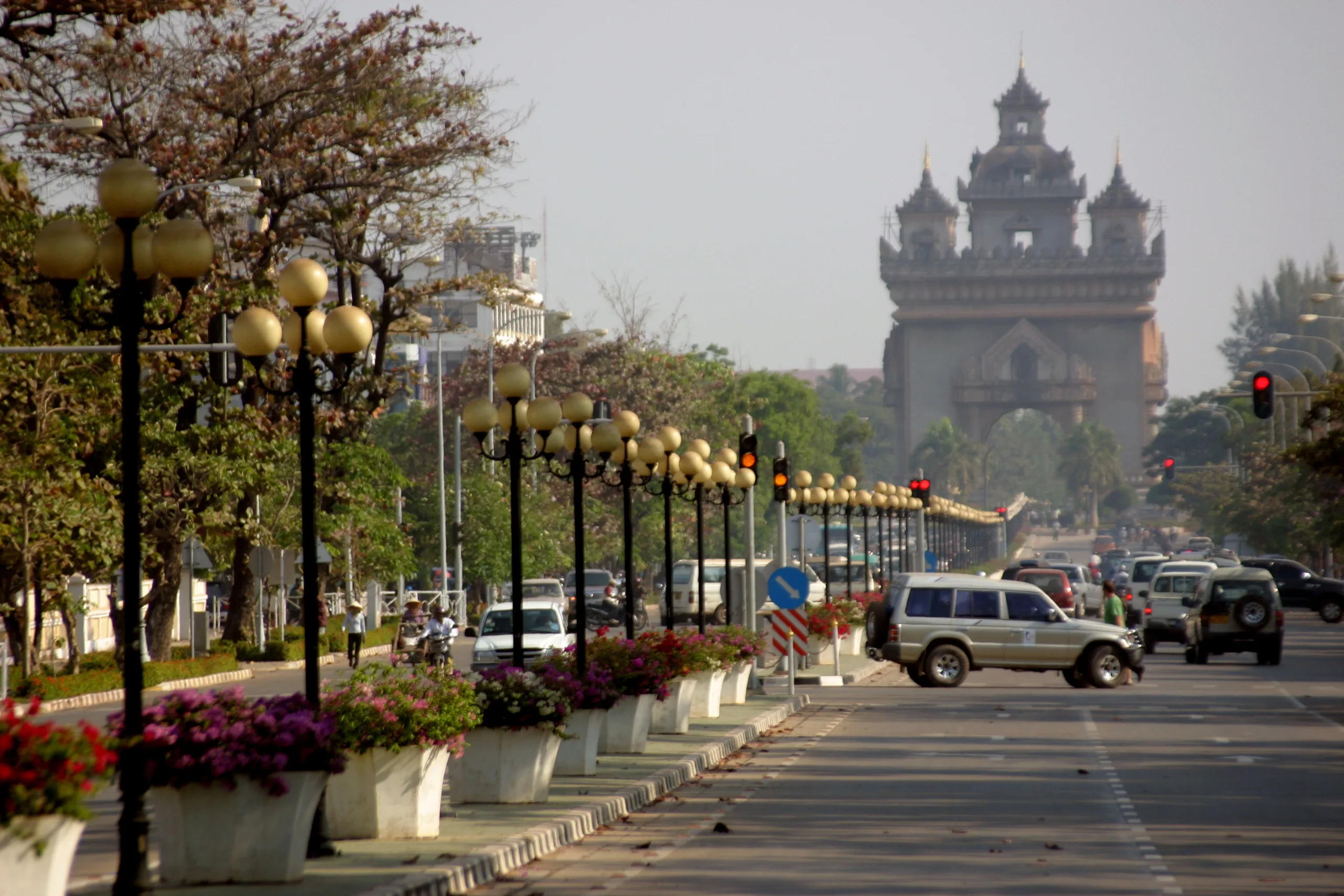
Patuxai carries a wry footnote of its own. Built between 1957 and 1968 to honour those who fought for independence from France, it was famously raised with cement said to have been donated for an airport — which earned it the local nickname of the “vertical runway”. It is the kind of detail that sums up Vientiane: grand, but never too grand to laugh at itself.
When is the best time to visit Vientiane?
The sweet spot is the cool, dry season from November to February, when the heavy rains have passed, the city looks green, and daytime temperatures sit around the mid-20s — comfortable for temple-hopping and long riverside evenings. March to May turns hot and hazy; the wet season from roughly June to October brings afternoon downpours, but also fewer visitors and lush surrounds.
| Season | Weather | Good for | Crowds |
|---|---|---|---|
| Cool, dry (Nov–Feb) | Cooler and dry, around the mid-20s°C | Temples, sightseeing, sunsets — the best all-rounder | Busiest, but still calm |
| Hot (Mar–May) | Hot and often hazy | Early starts, slow afternoons, lower rates | Quieter |
| Wet (Jun–Oct) | Warm with afternoon downpours; very green | Lush scenery, fewer travellers, easy bookings | Fewest visitors |
If your trip pairs Vientiane with the old royal capital, our Vientiane and Luang Prabang 4-day tour times the highlights for you, and you can read more in our Luang Prabang travel guide.
People, culture & etiquette in Vientiane
Laos is deeply Buddhist, and that gentle rhythm shapes daily life in the capital — early-morning alms, unhurried afternoons, evenings by the river. The Lao have a word, bor pen nyang (“no worries”), and you will feel it everywhere; this is not a city that hurries you.
At temples, dress modestly — shoulders and knees covered — and slip your shoes off before stepping inside. Keep your feet pointed away from Buddha images and people, and ask before photographing monks. A small nop (a slight bow with palms together) is a warm way to say thank you.
What food should you try in Vientiane?
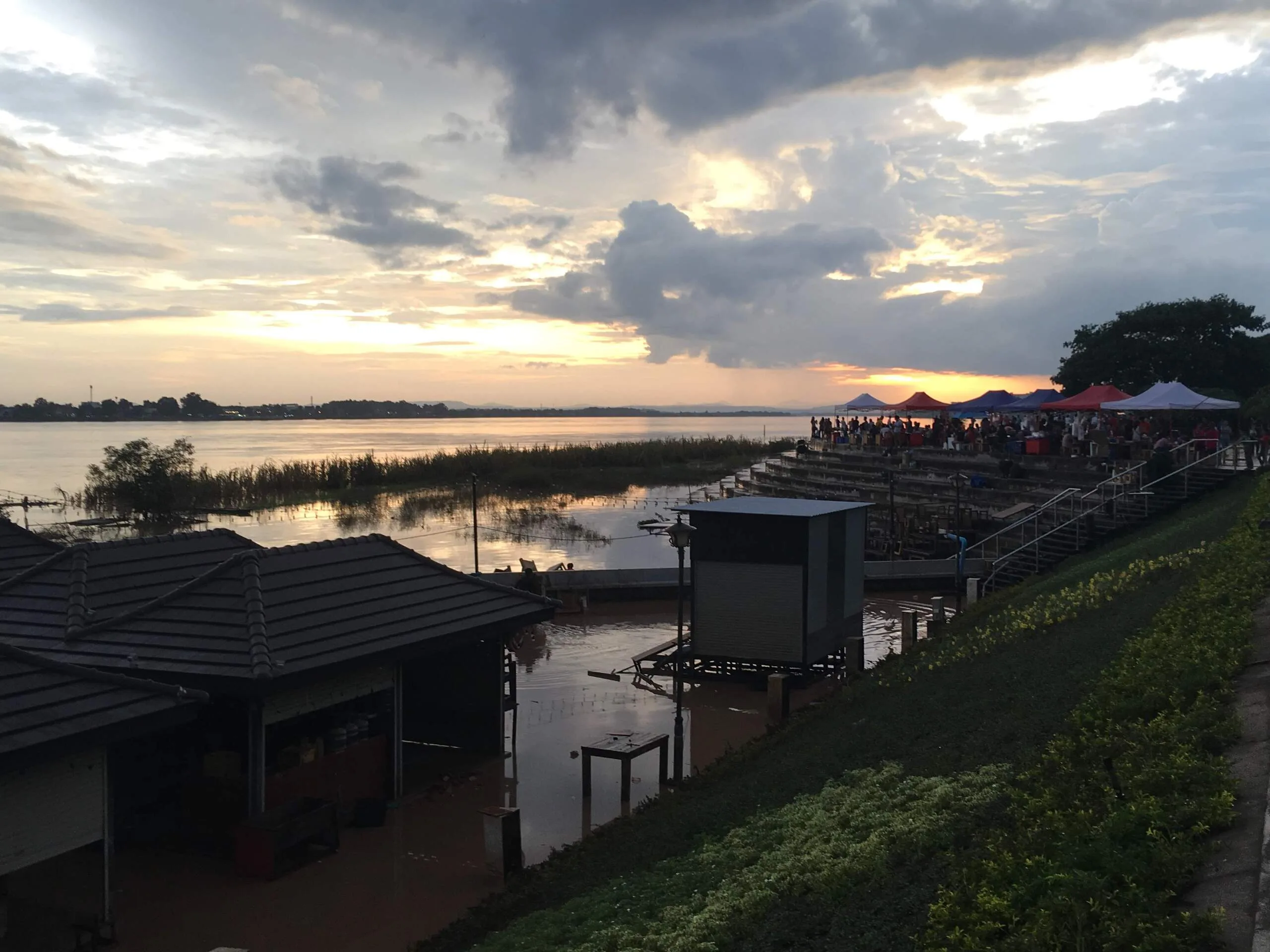
Lao food is fresh, herby and quietly addictive. The dish to start with is larb — the unofficial national dish, a zingy minced-meat salad tossed with herbs, lime, chilli and toasted ground rice. Then there is khao poon, a fragrant rice-noodle soup, and of course sticky rice, eaten by hand with everything. Wash it down with an ice-cold Beerlao as the sun drops over the Mekong.
The riverside night market and the city’s little open-front eateries are where the best plates hide — ask your My Viva Tour guide for the local spots they actually eat at, not just the tourist-facing ones.
Vientiane travel guide: know before you go
- Best time: November to February for cool, dry days; book ahead around festival times.
- What to wear: light, breathable clothes, plus a temple-friendly layer to cover shoulders and knees; slip-on shoes help.
- Getting around: the centre is small and walkable; use tuk-tuks or ride-hailing for Pha That Luang and Buddha Park, and agree the fare first.
- Etiquette: shoes off in temples, dress modestly, ask before photographing monks, and keep the pace relaxed.
Vientiane travel guide FAQs
Is Vientiane worth visiting?
Yes, if you like your travel calm. Vientiane is a small, easygoing capital with standout temples, a famous golden stupa and lovely Mekong sunsets. It pairs perfectly with Luang Prabang for a relaxed Laos trip.
How many days do you need in Vientiane?
Two days is comfortable for most travellers — one for the temples and Patuxai, one for Buddha Park and the riverfront. Add a third if you want to truly slow down.
What is the best time to visit Vientiane?
November to February — the cool, dry season — is the most comfortable, with temperatures around the mid-20s. March to May is hot, and June to October brings rain but greener scenery and fewer crowds.
What should you wear at Vientiane’s temples?
Cover your shoulders and knees, and remove your shoes before entering temple buildings. Light, modest clothing keeps you cool and respectful at sites like Wat Si Saket and Pha That Luang.
What food is Vientiane known for?
Lao staples like larb (a herby minced-meat salad), khao poon (rice-noodle soup) and sticky rice, best enjoyed with a Beerlao by the river. Ask your My Viva Tour guide for the genuine local spots.
Why Vientiane stays with me
What stayed with me wasn’t a single sight. It was the hour after the temples close, when you drift down to the Mekong and the whole city seems to exhale — the gold of Pha That Luang still warm in your head, a Beerlao going down, the night market just waking up. Most capitals make you hurry. This one teaches you not to.
Over to you: what about you? If Vientiane is already part of your travel story, tell me in the comments below — I’d love to hear which hour stayed with you.
See Vientiane with My Viva Tour
Vientiane is at its best woven into a wider Laos journey. Our A Glance of Laos 6-day tour links the capital with the country’s highlights, while the Vientiane and Luang Prabang 4-day tour is the easy classic. Browse more stories and tips on our Vientiane destination page, then talk to a My Viva Tour specialist to shape your trip around the season and the pace you want.
Travel notes fact-checked: June 2026.